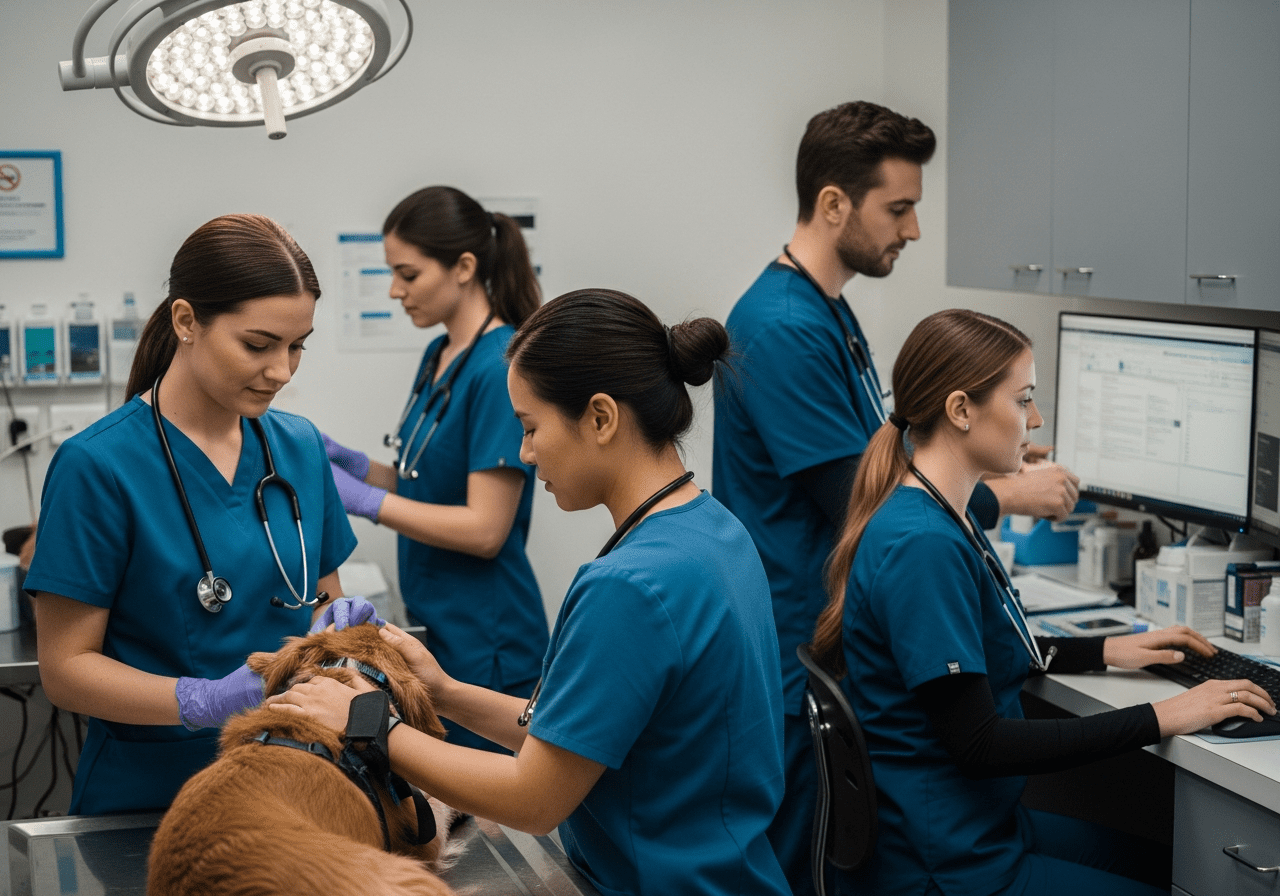
The veterinary industry is demanding, both physically and emotionally. As professionals, veterinarians often face musculoskeletal disorders due to physical strain from repetitive tasks. This often affects their necks, backs, and wrists. In veterinary practice, addressing ergonomics is essential for maintaining wellness and enhancing operational efficiency. Exploring veterinary ergonomics can provide solutions for clinic owners, practice managers, and clinical staff alike.
Understanding Musculoskeletal Disorders in Veterinary Practice
Musculoskeletal disorders (MSDs) in veterinary settings are common. They arise primarily from tasks involving lifting, restraining, and positioning animals, which are integral parts of daily practice. For example, associate veterinarians and emergency veterinarians frequently perform repetitive motions while managing various cases.
Moreover, the physical demands are heightened for urgent care and critical care veterinarians. They often work long hours, which can exacerbate fatigue and strain. Addressing these challenges through improved ergonomics is crucial for their long-term health and job satisfaction.
Effective Strategies for Reducing Physical Strain
Reducing physical strain in veterinary clinics involves a combination of proper techniques, equipment, and adjustments in workflow. Here are some actionable strategies:
- Invest in Ergonomic Equipment: Equip your clinic with adjustable tables, supportive chairs, and proper lifting tools to minimize strain.
- Educate Staff: Provide training on proper lifting techniques and posture. This knowledge empowers veterinarians and clinical staff to protect their bodies during long shifts.
- Optimize Workflows: Streamline tasks to minimize repetitive motions. For example, having designated areas for specific procedures can reduce unnecessary movement.
- Encourage Breaks: Implement regular breaks throughout shifts. This practice helps staff relieve muscle tension and refresh their focus.
General practice veterinarians can also benefit from shared techniques tailored to specific roles. For instance, managing mixed animal cases often requires different physical approaches compared to predominantly small animal practices. By adapting strategies accordingly, each practice can significantly reduce the risk of injuries.
The Role of Workplace Culture in Employee Wellness
Creating a culture that prioritizes employee wellness is vital. Encourage open discussions about physical health among all team members. This can foster an environment where everyone feels comfortable addressing their physical limitations and seeking support.
Moreover, staff engagement in discussions about physical health can lead to collective problem-solving. For instance, shelter veterinarians and community medicine veterinarians often deal with unique challenges requiring frequent physical engagement with animals in varied conditions. Therefore, sharing insights on how to navigate these demands boosts morale and health.
Conclusion
Reducing neck, back, and wrist strain in veterinary practice is not just a matter of comfort; it’s essential for promoting long-term health and improving overall workplace efficiency. By adopting ergonomic practices and instilling a culture of wellness, veterinary clinics can significantly enhance the well-being of their teams.
As a partner in this journey, Pulivarthi Group helps clinics access qualified talent across diverse areas of veterinary care. Whether you require an associate veterinarian, a board-certified veterinary internal medicine specialist, or emergency and critical care veterinarians, our staffing solutions can support your clinic’s needs while you focus on improving practice wellness. Together, let’s create a healthier, more efficient workplace for everyone.