In the rapidly evolving field of veterinary medicine, veterinary practices face numerous challenges that demand innovative solutions. From integrating technology into daily operations to enhancing client communication, small animal practices in North America must navigate a complex landscape. This blog post explores the key challenges and advancements that are shaping the future of veterinary clinics.
Understanding the Challenges
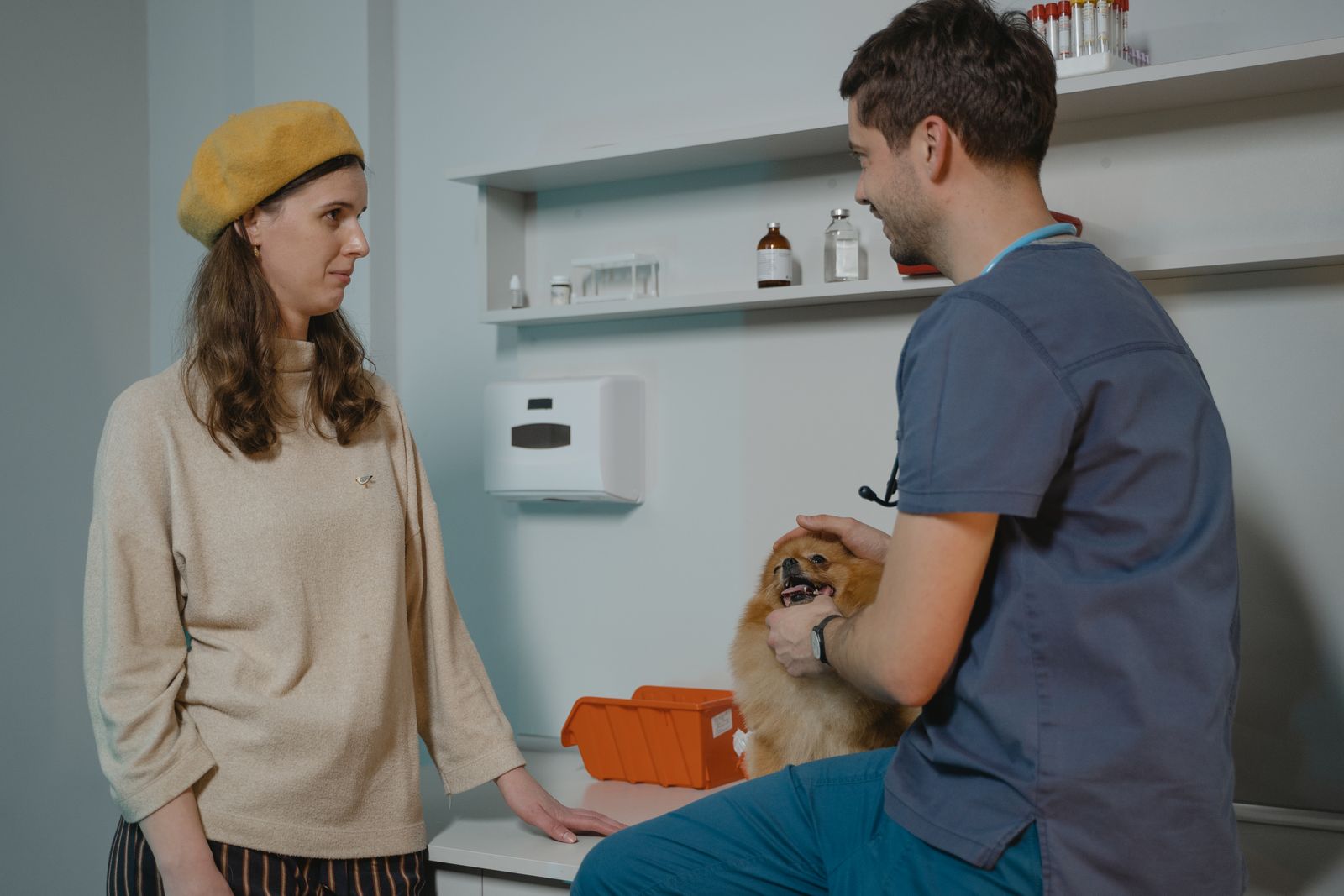
Veterinary clinics encounter a variety of challenges. One significant hurdle is client communication. Effective communication is essential for understanding patient history and delivering high-quality care. However, many practices struggle to maintain clear lines of communication, which can lead to misunderstanding about treatment plans.
Additionally, the integration of veterinary technology presents both opportunities and obstacles. For example, while electronic health records (EHRs) can streamline operations, they often require significant time and resources to implement properly. This is particularly true for mixed animal veterinarians and emergency veterinarians who may work in high-pressure environments.
Enhancing Client Communication
Improving client communication involves several strategic steps. Firstly, veterinary clinics should implement a robust system for appointment reminders and follow-ups. These systems can reduce no-shows and improve client satisfaction. For instance, urgent care veterinarians may benefit from on-demand communication tools that allow them to address client questions in real-time.
Moreover, utilizing newsletters and educational resources can foster better relationships with clients. When clients feel informed, they are more likely to be engaged in their pets’ care, ultimately leading to better patient outcomes.
Integrating Technology for Efficiency
Effective veterinary practices increasingly rely on technology to enhance efficiency. For example, adopting telemedicine platforms helps clinics cater to clients who cannot visit in person. This is especially useful in community medicine and food animal veterinary practices where travel constraints may limit access to care.
Additionally, automating routine tasks through practice management software can free up valuable time for veterinarians and clinical staff. This not only improves operational efficiency but also allows veterinarians to focus more on direct patient care.
Trends in Veterinary Practice Management
As the veterinary landscape shifts, new trends emerge that practice owners and managers must acknowledge. For instance, the growing demand for mental health support for veterinarians and staff is becoming a critical issue. The nature of emergency care and critical care roles often leads to burnout among staff. Therefore, organizations are increasingly investing in wellness programs.
Moreover, there is a noticeable shift towards collaborative care models. Shelter veterinarians and community medicine veterinarians are leading the charge in community-oriented healthcare. They emphasize partnerships with local organizations to promote animal welfare and preventive care.
Exploring Workforce Realities
Addressing workforce shortages remains a pressing concern. The recruitment of qualified professionals, such as board-certified veterinary internal medicine specialists (DACVIM), continues to be a challenge. Clinics must adopt creative strategies to attract and retain talent. This includes offering generous continuing education opportunities and flexible work schedules.
Furthermore, mixed animal veterinarians often face unique workforce challenges due to the need for diverse skill sets. Therefore, ongoing training and mentorship programs can significantly enhance team capabilities and job satisfaction.
Conclusion
In summary, small animal veterinary practices are navigating significant challenges in client communication, technology integration, and workforce management. By staying informed about industry trends and implementing strategic changes, veterinary clinics can enhance their operational efficiency and elevate patient care. Pulivarthi Group stands ready to assist veterinary clinics in accessing hard-to-find talent. Whether you need an Associate Veterinarian, an Emergency Veterinarian, or a Veterinary Internal Medicine Specialist, we are your partner in building an exceptional clinical team that meets the diverse needs of your practice.