

Understanding Echinococcus multilocularis: Risks and Prevention
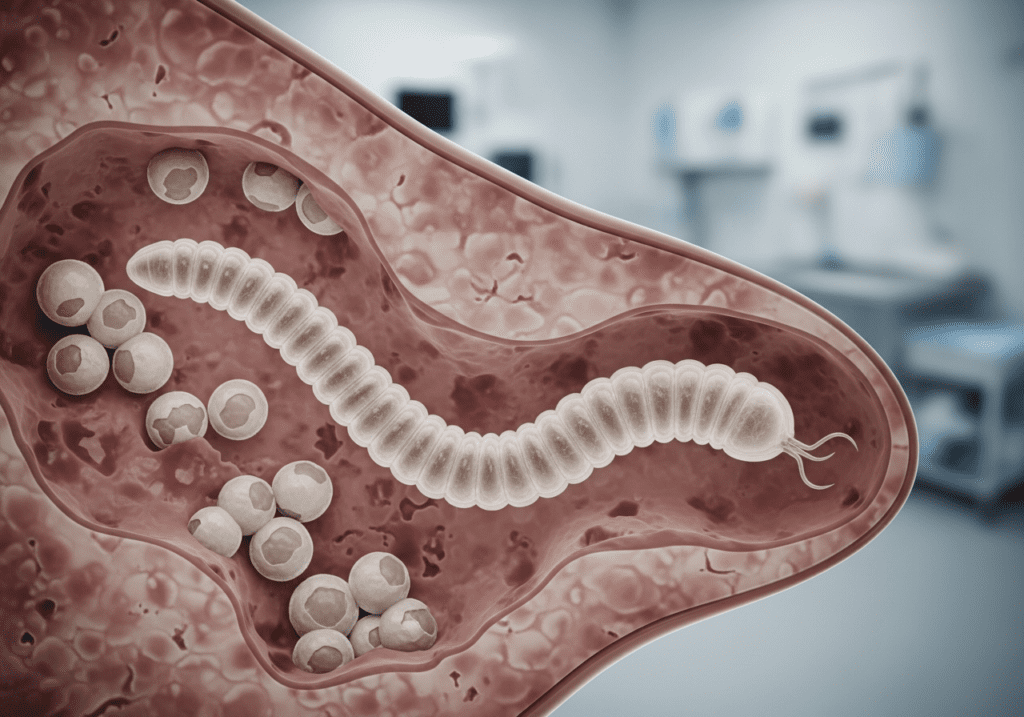
Echinococcus multilocularis, a dangerous tapeworm, poses health risks in the Pacific Northwest. Find out how to protect your pets.
Treating Anaphylaxis in Pets: An Algorithmic Approach

This article discusses the diagnosis and treatment of anaphylaxis in dogs and cats, focusing on rapid stabilization and monitoring.
Enhancing Pet Care: Home PBM Rental Programs

Discover the advantages of home PBM therapy in improving adherence for geriatric pets and enhancing their quality of life.
CE Investment in Vet Practices Pays Back — If You Structure It Right

Enhancing veterinary practices through continued education drives retention, revenue, and team capability. This guide gives practice managers a framework for building a CE program with measurable ROI.
Equine Care Grant Program: Apply Now for 2023 Funding
The Equine Care Grant Program is back for its second year, offering funding for equine health initiatives.
Navigating Mechanical Ventilation Liberation in Dogs
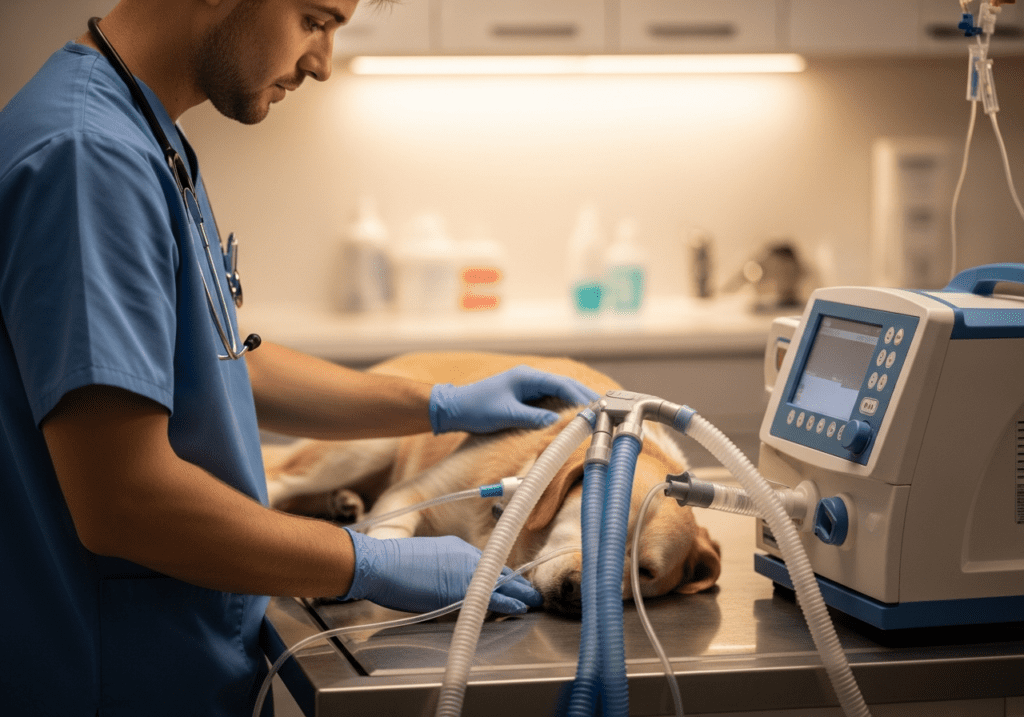
This study investigates liberation attempts in dogs undergoing mechanical ventilation, highlighting key criteria and outcomes.
What DVMs Actually Say Is Driving Them Out of Practice

DVM survey data reveals the top challenges faced by veterinary professionals — burnout, caseload pressure, and compensation dissatisfaction. This guide translates survey insights into actionable hiring and retention decisions.
Easing Supply Chain Challenges in Agriculture

The Maryland Department of Agriculture collaborates with the Farm Journal Foundation for effective supply chain solutions.
Evaluating Homemade Diets for Companion Pets

This article discusses the importance of nutritional guidance for homemade pet diets and offers a framework for veterinarians.
The Role of AI in Veterinary Cytology

This article discusses the integration of artificial intelligence in veterinary cytology and its implications for diagnostics.