Mechanical ventilation plays a critical role in veterinary medicine, particularly for dogs in severe respiratory distress. Understanding the various criteria for liberation from mechanical ventilation is vital. Knowledge of mechanical ventilation outcomes and practices enhances patient care across various veterinary roles. This article delves into the latest research surrounding liberation criteria, aimed specifically at veterinary clinics, veterinarians, and clinical staff.
Understanding Mechanical Ventilation in Dogs
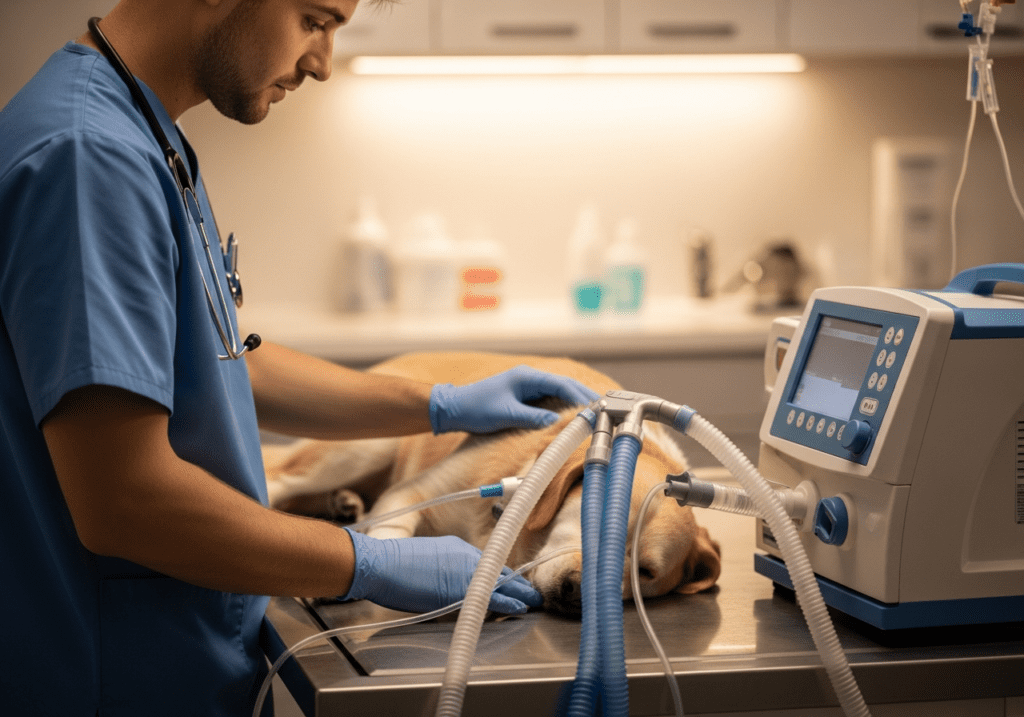
In veterinary practice, mechanical ventilation is often employed during critical care scenarios. Dogs may require this support following trauma, pneumonia, or surgical procedures. By offering respiratory assistance, veterinarians can stabilize these patients.
However, the decision to liberate a patient from mechanical ventilation should not be taken lightly. Each dog’s recovery process differs based on their underlying condition. Thus, strict adherence to liberation criteria is crucial for successful outcomes.
Key Liberation Criteria
Several essential criteria facilitate the liberation of dogs from mechanical ventilation:
- Improvement in arterial blood gas values
- Stable respiratory effort
- Absence of significant organ dysfunction
- Oxygen saturation levels at 95% or greater
- Ability to maintain a proper airway reflex
By evaluating these criteria, veterinarians, especially those in emergency and critical care, can make informed decisions. For associate veterinarians and general practice veterinarians, understanding this process enables better pre-operative assessments and post-operative care.
Clinical Outcomes Post-Liberation
Recent studies reveal that adherence to liberation criteria significantly impacts patient outcomes. Successful liberation often correlates with reduced hospitalization costs and improved survival rates.
For instance, the goal should not just be the liberation of the patient from mechanical assistance but also a transition to normal respiratory function as soon as possible. This objective holds implications for urgent care veterinarians and specialists, who frequently encounter such cases.
Operational Implications for Veterinary Clinics
Understanding the complexities of mechanical ventilation liberations can lead to improved operational efficiency within your practice. Training staff to recognize and act on liberation criteria can expedite recovery times. It can also enhance team cohesion, as all roles from associate veterinarians to community medicine veterinarians work together seamlessly.
Implementing protocols that ensure timely assessments and interventions will ultimately foster a culture of excellence. It encourages a proactive approach in intensive care settings, benefiting both patients and veterinary teams.
Industry Trends and Future Directions
The veterinary industry is evolving, with advancements in technologies and practices in mechanical ventilation. As standards of care rise, educational resources must also expand. It becomes essential for veterinarians, including veterinary internal medicine specialists, to stay updated with the latest findings. Continued education on mechanical ventilation should be a priority.
Notably, clinicians must share insights on outcomes and challenges they face. This collective knowledge will drive improvements across all sectors of veterinary medicine.
Conclusion
As mechanical ventilation becomes an increasingly vital part of patient management in veterinary clinics, understanding the liberation criteria can significantly influence clinical outcomes. For veterinary professionals, these insights are imperative for enhancing patient care and operational efficiency. By collaborating and sharing knowledge, the veterinary industry can adapt and thrive.
At Pulivarthi Group, we recognize the challenges in accessing skilled personnel across various veterinary roles. Whether you are looking for an associate veterinarian, a critical care veterinarian, or a community medicine veterinarian, our services can connect your clinic with qualified professionals ready to enhance patient care. Partner with us to navigate the demands of today’s veterinary landscape effectively.