As veterinary professionals, understanding the signs and treatment of anaphylaxis in pets is critical. Anaphylaxis represents a severe allergic reaction that can occur in both dogs and cats. Timely diagnosis and treatment are vital for positive outcomes. This post offers a detailed algorithmic approach tailored for veterinary clinics facing the challenge of anaphylaxis.
Recognizing Anaphylaxis in Veterinary Practice
Anaphylaxis can manifest suddenly, often triggered by insect stings, medications, or food allergies. The quicker practitioners recognize the symptoms, the better the prognosis for affected patients. Key signs include:
- Swelling of the face, ears, or paws
- Hives or redness on the skin
- Difficulty breathing or wheezing
- Vomiting or diarrhea
Emergency veterinarians, in particular, should remain vigilant for these presentations. Rapid assessment facilitates immediate interventions, which are crucial in stabilizing the patient.
Effective Treatment Protocols
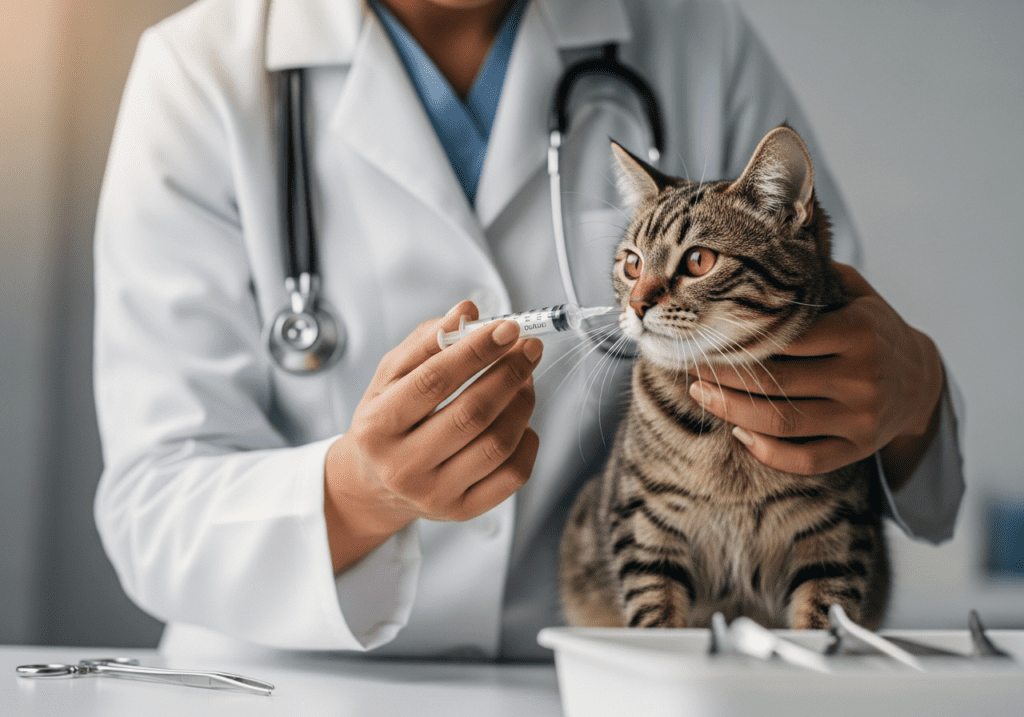
Upon diagnosing anaphylaxis, initiate treatment based on established protocols. The first and most critical step is the administration of epinephrine. Dosing considerations typically include:
- 0.01 mg/kg intramuscularly for dogs
- 0.01 mg/kg intramuscularly for cats
In cases of severe reactions, it may be necessary to repeat dosing every 5 to 15 minutes as required, particularly for critical care veterinarians. After stabilization, continue monitoring the patient for any rebound effects.
Supporting Measures and Monitoring
In addition to epinephrine, supporting measures are essential. These can include:
- Oxygen supplementation for hypoxemic patients
- Intravenous fluid therapy to maintain hydration
- Antihistamines and corticosteroids to limit further reactions
Continuous monitoring ensures that any complications are promptly addressed. Veterinary internal medicine specialists can also provide critical input on managing recurring symptoms and secondary complications.
Post-Recovery Considerations
Once pets show improvement, discuss potential triggers with the owners. Conducting allergy testing might help in identifying the allergens responsible. Understanding the environmental and dietary conditions that could lead to future incidents will benefit both pets and their owners in the long term.
Enhancing Emergency Preparedness
Veterinary clinics must prioritize emergency preparedness. Regular training for staff on anaphylaxis recognition and treatment protocols can enhance response times during crises. Implementing standardized workflows ensures smooth operations and optimal patient care.
Conclusion
In the fast-paced environment of veterinary clinics, being equipped to recognize and treat anaphylaxis can save lives. By employing an algorithmic approach, clinics can enhance their emergency responses and improve patient outcomes. As your clinic faces staffing challenges, remember that Pulivarthi Group stands ready to assist. We connect veterinary clinics with skilled professionals essential for addressing the complexities of veterinary care, from emergency clinicians to board-certified specialists. Together, we can ensure high-quality healthcare for pets in need.