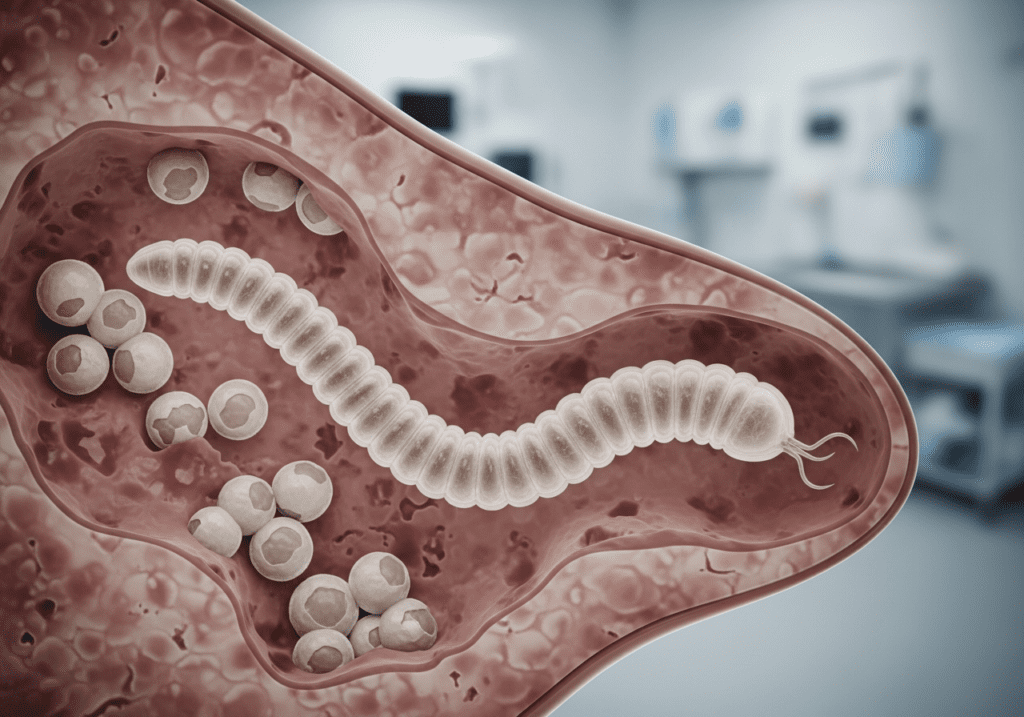
Echinococcus multilocularis, a harmful tapeworm, presents significant health risks to pets and humans, particularly in the Pacific Northwest. As veterinary professionals, it is crucial to recognize the implications of this parasite for both clinical practice and operational strategies. Understanding how to prevent and treat Echinococcus multilocularis is vital for ensuring patient care and safeguarding public health.
Understanding Echinococcus multilocularis
Echinococcus multilocularis is a tapeworm primarily affecting canines. Its life cycle involves various host species, including rodents and domestic animals. The tapeworm’s eggs are excreted in the feces of infected canines, contaminating the environment. This contamination poses health risks not only to pets but also to humans who might inadvertently ingest the eggs. For veterinary clinics, recognizing the presence of this parasite in the local ecosystem has become increasingly important.
Health Risks to Pets and Humans
The health risks associated with Echinococcus multilocularis include severe complications such as hydatid disease in humans, which can result in life-threatening conditions. In pets, particularly canines, infestation can lead to gastrointestinal discomfort or more severe issues. As veterinarians, staying informed about these dangers is crucial for advising pet owners effectively.
- Understanding symptoms of Echinococcus multilocularis infestations in pets.
- Educating pet owners about the risks of transmission.
- Implementing preventive measures in the community.
Operational Considerations for Veterinary Clinics
As the prevalence of Echinococcus multilocularis increases, veterinary clinics must adapt their operational frameworks. Awareness campaigns can educate pet owners about the risks, while proactive health checks can identify potential cases early. It is essential for practices to standardize protocols for examining pets suspected of exposure. Additionally, ensuring staff are trained in recognizing and managing this parasite will enhance overall clinic efficiency.
Best Practices for Prevention and Treatment
Veterinary professionals should prioritize the following strategies to combat< strong>Echinococcus multilocularis:
- Regular deworming protocols for pets, particularly in at-risk areas.
- Proper disposal of pet feces to reduce environmental contamination.
- Education on the importance of preventing contact between pets and wildlife.
Additionally, veterinarians should collaborate with local shelters and community medicine veterinarians to share resources and knowledge, enhancing the collective response to this public health threat.
The Role of Veterinary Professionals
The diverse roles within veterinary practice, from associate veterinarians to board-certified specialists, all play a part in addressing the challenges presented by Echinococcus multilocularis. For instance, urgent care veterinarians may encounter pets suffering from advanced symptoms, while food animal veterinarians must consider the broader implications for livestock health and food safety.
Conclusion
Echinococcus multilocularis represents a significant health threat in the Pacific Northwest, demanding a proactive response from the veterinary community. By increasing awareness about this tapeworm and implementing effective prevention and treatment strategies, clinics can safeguard both pets and humans. The Pulivarthi Group stands ready to assist veterinary clinics in accessing the specialized talent necessary to tackle such pressing health issues. Whether you need an associate veterinarian or a board-certified internal medicine specialist, we help ensure you have the right professionals on your team to provide the best care possible.