Artificial intelligence (AI) is revolutionizing many fields, including veterinary medicine. In veterinary cytology, AI holds the potential to enhance diagnostic accuracy and efficiency. This transformation is particularly crucial as clinics face challenges in integrating cutting-edge technologies while maintaining high standards of patient care.
The Importance of AI in Veterinary Diagnostics
Understanding the role of AI in cytology is essential for veterinary clinics aiming to improve their diagnostic processes. Traditional cytological analysis often demands extensive training and experience. Integrating AI can streamline these efforts by providing quicker, more reliable results.
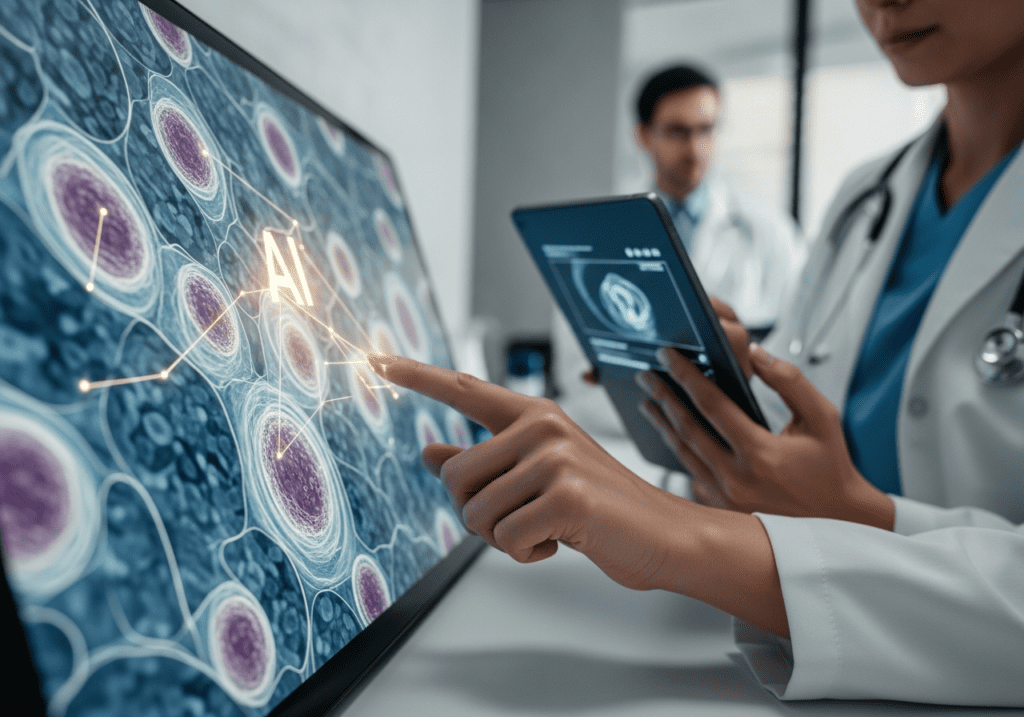
For example, AI algorithms can analyze cytological samples to detect abnormalities that a human eye might miss. This capability is particularly valuable in emergency veterinary settings. Urgent care veterinarians often work under pressure, where immediate and accurate diagnostics can be critical to a patient’s outcome.
Challenges of Integrating AI in Cytology
Despite the potential advantages, integrating AI poses significant challenges. One major hurdle is the initial investment in technology and training. Veterinary practice owners must weigh the costs against the expected benefits for their clinics.
Moreover, there’s a learning curve associated with utilizing AI tools effectively. General practice veterinarians and emergency veterinarians may need additional training to interpret AI-generated data correctly. Transitioning from traditional methods to AI-driven systems requires efforts from the entire clinical team.
Enhancing Patient Care Through AI
AI in veterinary cytology assists in improving patient care in multiple ways. With automated analysis, clinical staff can prioritize cases that require immediate attention. For instance, critical care veterinarians can quickly identify life-threatening conditions in animals, leading to prompt intervention.
Furthermore, AI enhances collaboration among veterinary teams. Community medicine veterinarians and shelter veterinarians can share AI diagnostic reports, fostering better outcomes for populations in need. The speed and accuracy of AI tools can significantly impact both individual patient care and broader community health initiatives.
The Future of Veterinary Cytology with AI
Looking ahead, the future of AI in veterinary cytology appears promising. Ongoing advancements will likely yield even more sophisticated tools capable of performing complex analyses. As these tools evolve, veterinary internal medicine specialists, including board-certified veterinary internal medicine specialists (DACVIM), can leverage AI to enhance their diagnostic capabilities further.
Adopting AI also aligns with industry trends toward data-driven decision-making. By integrating these technologies, clinics can better position themselves for the future of veterinary medicine, addressing both workforce realities and patient care challenges.
Conclusion
In conclusion, the role of AI in veterinary cytology is pivotal for enhancing diagnostic efficiency and accuracy. As veterinary clinics face the critical challenge of integrating new technologies, it is crucial to approach this transformation strategically. The Pulivarthi Group stands ready to support veterinary practices in accessing specialized talent, from associate veterinarians to veterinary internal medicine specialists. Our expertise in veterinary staffing ensures that you have the right professionals to navigate the evolving landscape of veterinary medicine.