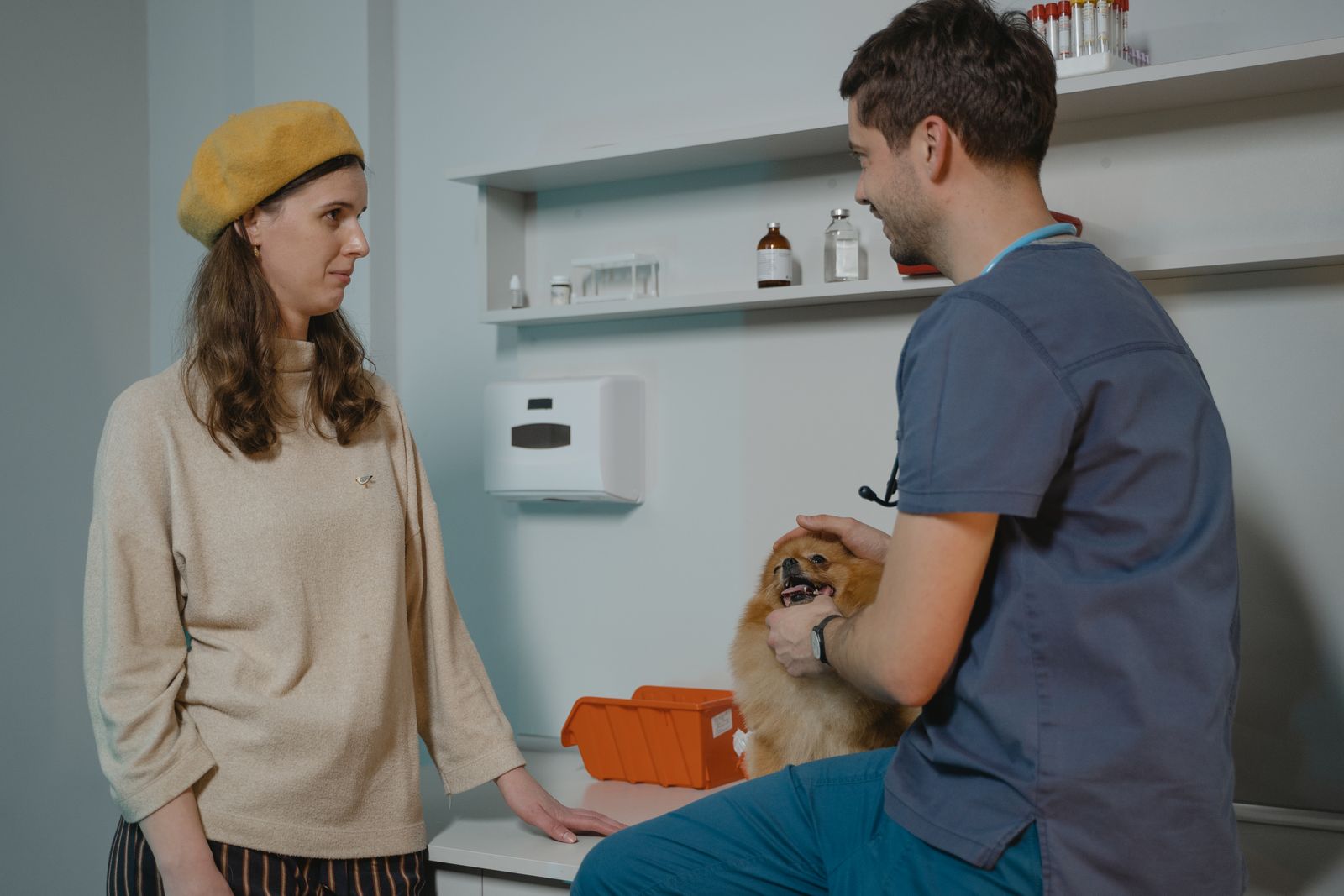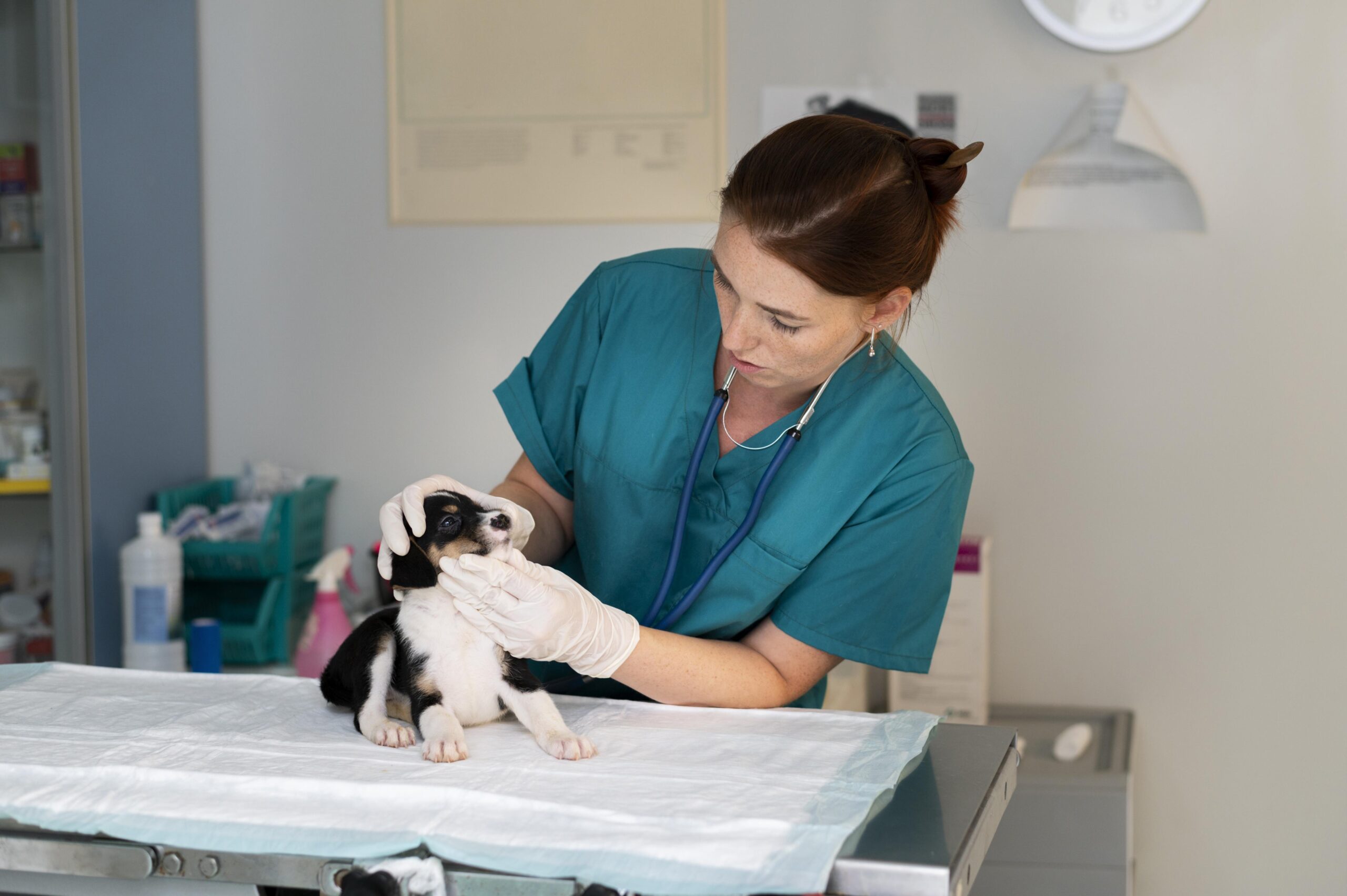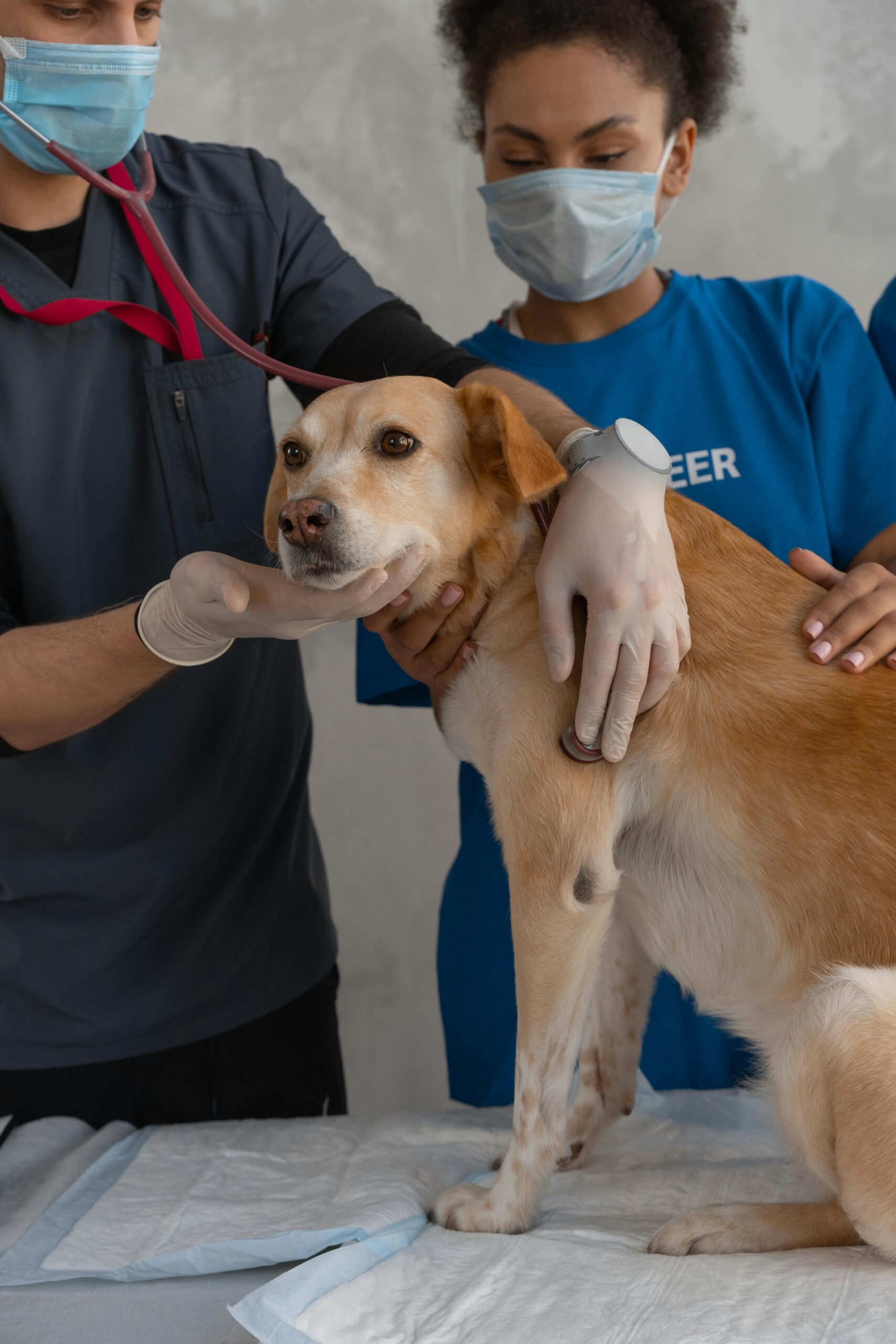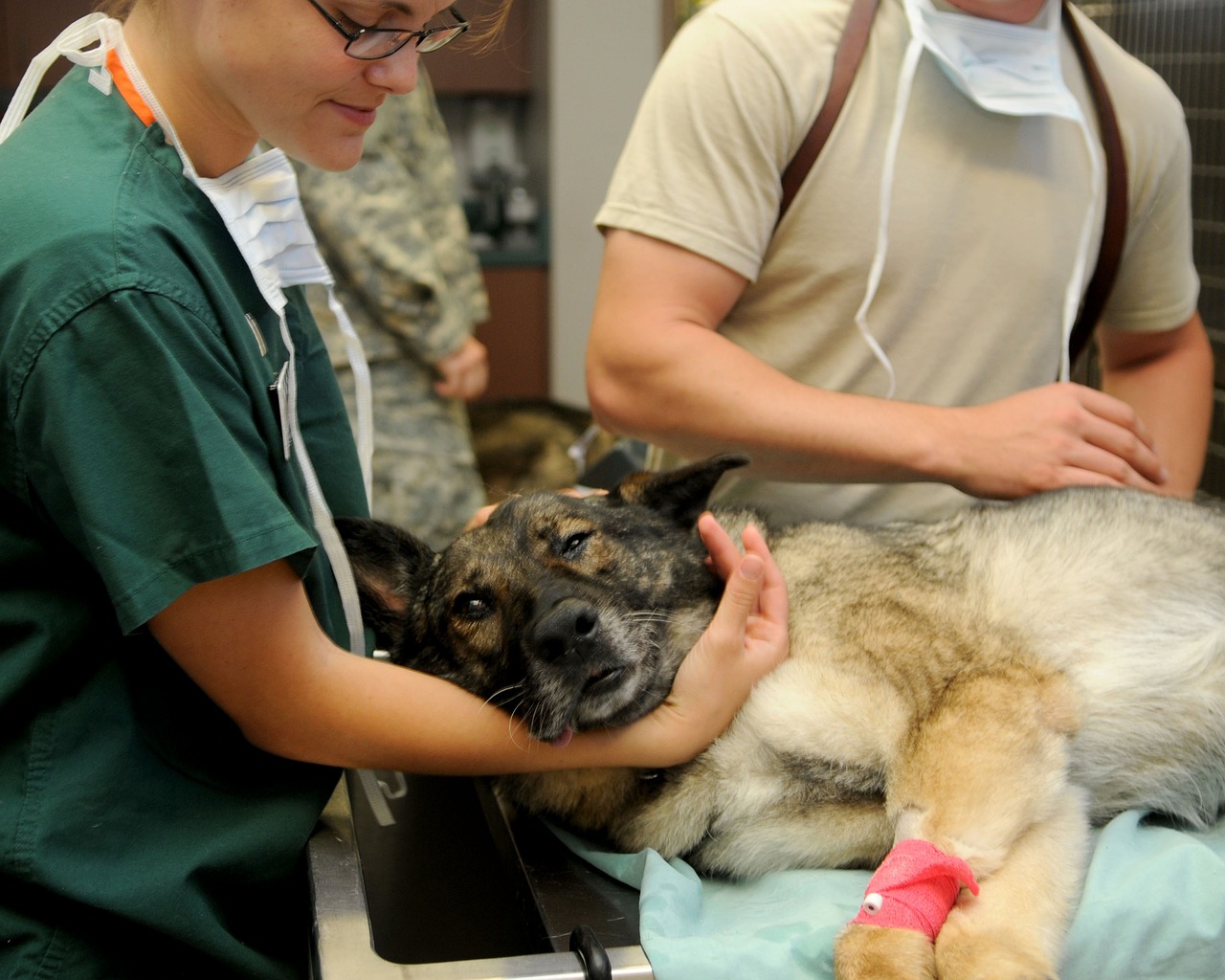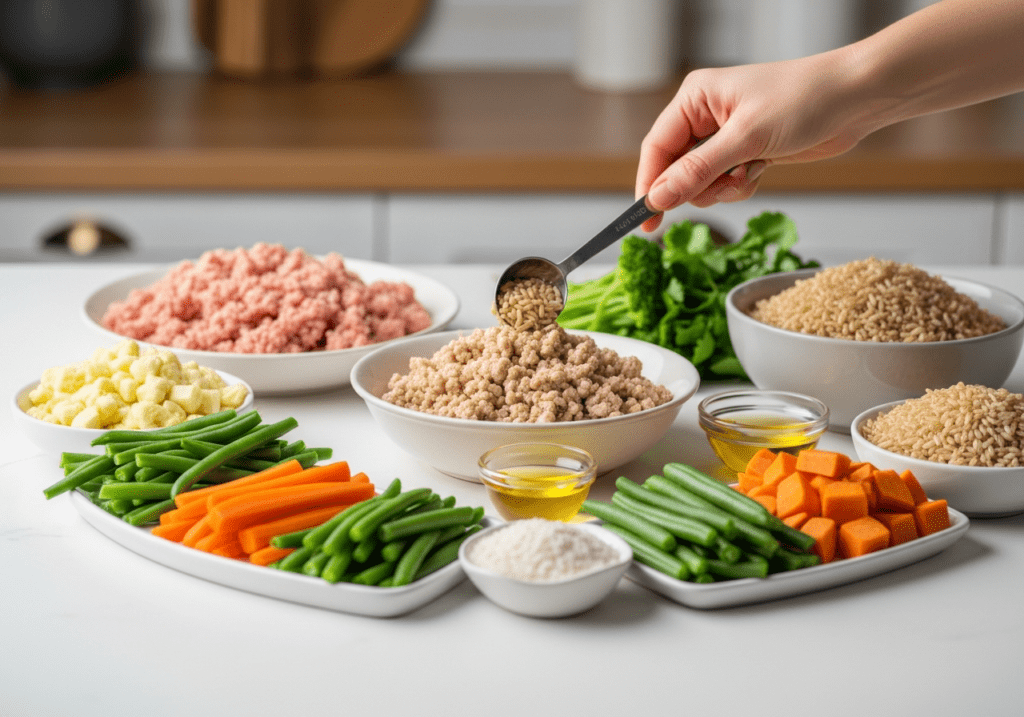
As veterinary professionals, we often encounter pet owners seeking guidance on the nutritional adequacy of homemade diets for their companions. With a growing interest in home-prepared diets among pet owners, it becomes essential for veterinary clinics to address the key challenges associated with these diets. Veterinarians must educate their clients on the potential nutritional deficiencies that can arise from inadequately balanced homemade pet diets.
Understanding Nutritional Needs
Homemade diets can provide many benefits. However, they often lack essential nutrients needed for a pet’s health. Owners may not be aware that dogs and cats require specific amino acids, fats, vitamins, and minerals. For example, certain meats might provide sufficient protein but lack vital minerals such as calcium. This disconnect can lead to serious health consequences over time.
Veterinarians, especially those working in general practice or specialties like veterinary internal medicine, should recommend an evaluation of home-prepared diet recipes. By assessing these diets, practitioners can help ensure that pets receive balanced nutrition.
Practical Steps for Veterinarians
Veterinary clinics can implement a structured approach to assist pet owners with homemade diets. Here are several actionable steps:
- Educate Clients: Provide informational materials on balanced nutrition. Include guidelines for essential nutrients.
- Recipe Evaluation: Offer a service to assess pet owners’ meal plans. Suggest nutrient sources and proper ratios.
- Consultation with Nutritionists: Promote consultations with veterinary nutritionists for personalized diet plans tailored to individual pets’ needs.
Addressing Common Challenges
In general practice, the challenge lies in educating well-meaning pet owners who may not identify deficiencies in the diets they prepare. Urgent care and emergency veterinarians often encounter pets with health issues stemming from poor nutrition. In these cases, addressing nutritional inadequacies quickly can help save lives.
For mixed animal and food animal practitioners, the complexity increases when advising owners on feeding practices that align with their farming practices. Here, veterinary professionals must balance practicality with the nutritional needs of both pets and livestock. Meanwhile, shelter veterinarians may face unique challenges, as resources can be limited, impacting diet quality.
Current Trends in Pet Nutrition
Recent studies over the last decade reveal increasing public interest in pet health and nutrition. Many pet owners are opting for homemade diets due to perceived benefits. However, it is vital to remind them to base these diets on sound nutritional principles. Highlighting these trends allows veterinary professionals to engage with pet owners meaningfully.
Additionally, community medicine veterinarians are in a unique position to influence diet discussion in underserved populations. By providing education on affordable, nutritionally personalizable homemade diets, they can significantly enhance pet welfare.
Conclusion
Navigating the complexities surrounding homemade diets requires careful consideration and ongoing education. Veterinary professionals play a critical role in guiding pet owners to ensure their diets are safe and nutritionally adequate. At Pulivarthi Group, we recognize the need for skilled professionals across various veterinary roles who can confidently manage nutritional discussions and client education. By helping veterinary clinics access exceptional talent—be it an Associate Veterinarian, Urgent Care Veterinarian, or Veterinary Internal Medicine Specialist—we aim to support the health and well-being of pets through informed dietary choices.