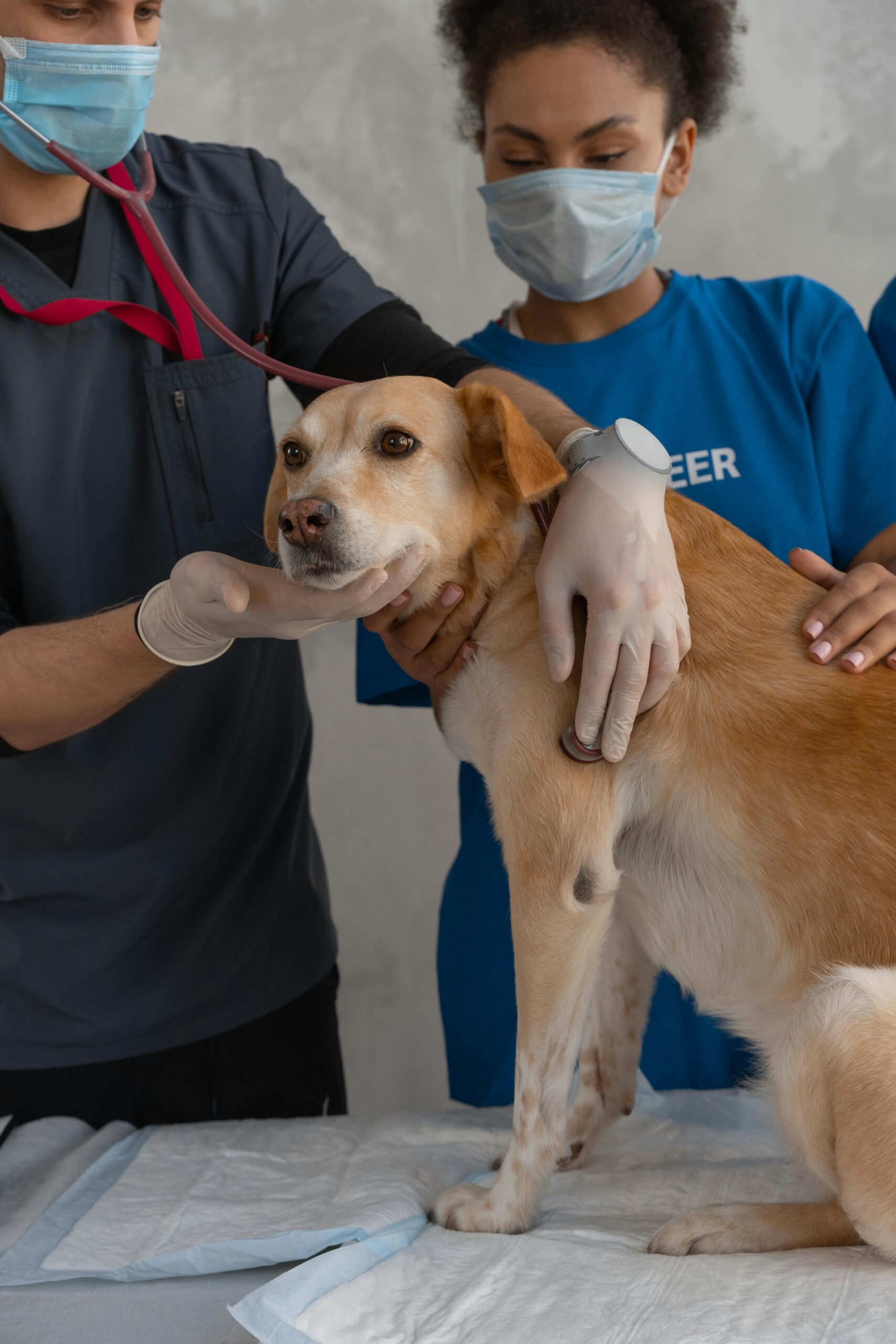
The rise of drug-resistant parasites in veterinary medicine poses a significant challenge for clinics worldwide. This issue affects all veterinary professionals, from general practice veterinarians to emergency veterinarians. The emergence of resistance not only complicates treatments but also increases the risks associated with parasite infections in pets and livestock. Consequently, veterinary clinics must reconsider their approach to handling these stubborn foes.
Understanding the Challenge of Drug-Resistant Parasites
Drug-resistant parasites can lead to prolonged illness in animals. Conditions caused by these parasites are harder to treat, which can result in reduced quality of care. The emergence of these resistance patterns often stems from overuse or misuse of medications. Furthermore, different types of veterinarians—such as mixed animal and food animal veterinarians—face unique challenges related to the types of parasites and animals they manage.
Clinical Implications for Veterinary Teams
For associate veterinarians and clinical staff, recognizing the signs of drug-resistant parasites is crucial. Education on evolving resistance patterns within local communities can empower teams to make better diagnostic and treatment decisions. In addition, general practice veterinarians should emphasize preventative care. Regular testing and treatment protocols play a vital role in controlling parasite populations.
- Conduct cross-species transmission assessments.
- Implement regular fecal testing protocols.
- Educate pet owners about the signs of parasitic infections.
Adapting Treatment Strategies
As the landscape of veterinary medicine evolves, so must treatment strategies. Veterinarians involved in urgent care or emergency medicine are often at the forefront of managing acute infections. They must stay informed about the latest alternatives to traditional dewormers. Incorporating broad-spectrum treatments and integrated parasite management approaches can be beneficial.
Staying Ahead of Industry Trends
Veterinary internal medicine specialists and board-certified veterinary internal medicine specialists (DACVIM) must stay abreast of current research. Understanding which parasites have shown increased resistance is vital. Therefore, attending conferences, participating in webinars, and collaborating with specialists can bolster knowledge and foster innovation in treatment protocols.
Exploring Alternative Treatments
Considering the rise of drug-resistant parasites, veterinary clinics should explore alternative treatments. Some effective interventions may include:
- Utilizing natural or holistic remedies.
- Employing rotational deworming strategies.
- Implementing combination therapies to minimize resistance.
Promoting Awareness Among Pet Owners
Educating pet owners about the implications of drug-resistant parasites is essential. Community medicine veterinarians often lead these initiatives. They can host workshops, create informational pamphlets, and leverage social media to raise awareness about this pressing issue. As a result, increased community involvement can contribute positively to managing parasite resistance.
Conclusion
In conclusion, addressing the challenge of drug-resistant parasites in veterinary clinics requires a multifaceted approach. By staying informed, adapting treatment strategies, and promoting awareness, veterinary professionals can improve patient care. Additionally, Pulivarthi Group serves as a valuable partner for veterinary clinics, helping them access highly-skilled talent across various roles. Whether you need an associate veterinarian or a board-certified veterinary internal medicine specialist (DACVIM), we can connect you with the right talent to enhance your practice’s capabilities. Together, we can tackle the growing issue of drug-resistant parasites and elevate the standard of care in veterinary medicine.