Understanding avian anesthesia is crucial for veterinary clinics today. As avian species become more prevalent as pets and in practices, veterinarians are facing a growing demand to provide specialized care. For veterinarians and clinical staff, mastering avian anesthesia protocols is essential to ensure patient safety and effective treatment. This article explores key aspects of avian anesthesia, shedding light on protocols, best practices, and operational implications specific to veterinary clinics.
Why Avian Anesthesia is Unique
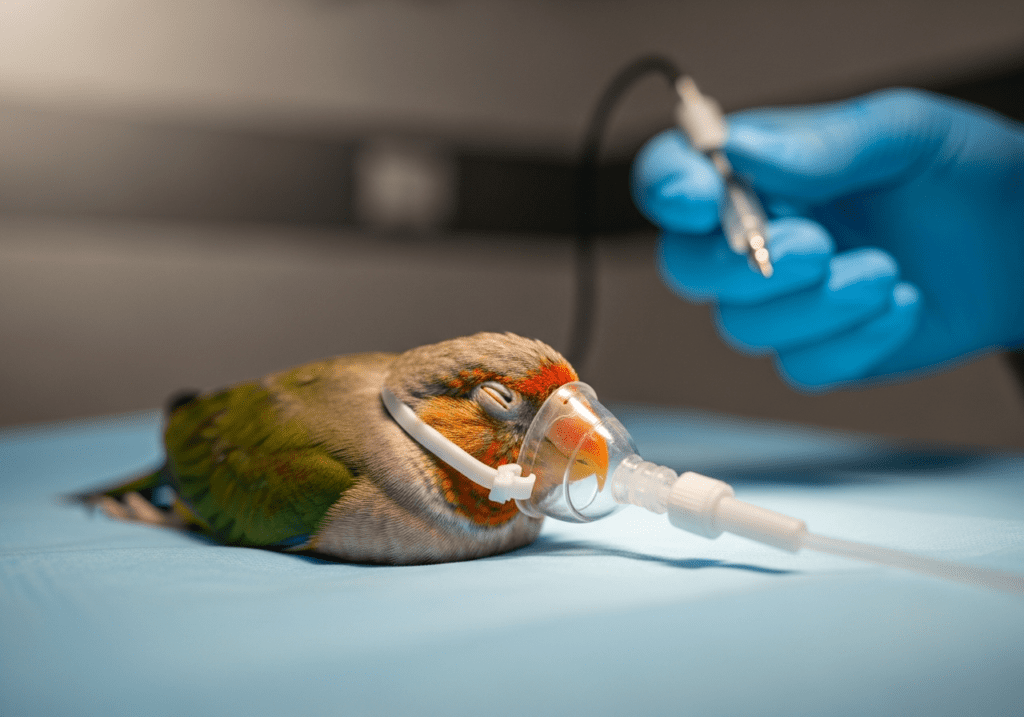
Avian anatomy and physiology significantly differ from mammals. These differences necessitate distinct anesthetic approaches. For example, birds have a high metabolic rate and unique respiratory systems. An option like a mask induction may be less effective due to their anatomical structure. Moreover, birds often experience stress, which can complicate anesthesia management. Therefore, understanding avian anesthesia techniques is essential for every veterinarian dealing with avian patients.
- Birds require precise dosages to avoid toxicity.
- Anesthetic agents must be chosen carefully based on bird species.
- Monitoring must be consistent to ensure patient safety.
Key Protocols in Avian Anesthesia
Effective avian anesthesia begins with the right protocols. First, pre-anesthetic evaluation is crucial. Veterinarians should assess the patient’s health status, including any underlying conditions. This evaluation might involve blood work and physical exams to identify risk factors. This step is especially pertinent for specialists like Veterinary Internal Medicine Specialists, who may manage complex cases.
Next, anesthetic agents should be selected based on the species and health status. Common agents used in avian anesthesia include isoflurane, sevoflurane, and ketamine. These agents provide a balanced approach, allowing rapid induction and recovery. However, monitoring remains vital. Veterinarians must use appropriate equipment to track vital signs during the procedure, adjusting dosages when necessary.
Challenges in Avian Anesthesia Management
Veterinarians encounter several challenges during avian anesthesia management. Understanding the specific needs of different bird species can be difficult, especially for mixed animal veterinarians and community medicine veterinarians. Certain species, such as raptors or parrots, have unique requirements that necessitate tailored anesthetic approaches.
Additionally, some clinical teams may lack experience with avian patients. This lack of familiarity can lead to increased stress for both the birds and the medical team. Therefore, ongoing education and training on avian anesthesia must happen within veterinary clinics. Workshops and continuing education credits can enhance the skill set of associate veterinarians and practice staff.
Industry Trends Impacting Avian Care
Several trends in veterinary medicine are transforming avian anesthesia practices. The growing popularity of avian pets has increased the demand for specialized training among general practice veterinarians. Therefore, clinics must adapt to these industry changes by offering comprehensive training on avian anesthesia techniques. Furthermore, advancements in anesthetic monitoring equipment have improved safety outcomes. These innovations enable better tracking of vitals, catering to the unique physiology of birds.
In addition to these trends, emergency veterinarians play a critical role in caring for birds who present in crisis situations. Rapid assessment and intervention can save lives, underscoring the importance of advanced knowledge in avian anesthesia. Clinicians must prioritize swift decision-making during these critical moments.
Conclusion
In summary, understanding avian anesthesia protocols is vital for veterinary clinics that offer avian care. Proper techniques ensure safe and effective patient care while addressing the unique needs of bird species. As the avian pet market continues to grow, ongoing education for veterinarians will become increasingly important. By enhancing skills in anesthesia management, veterinary professionals can provide better care and improve operational efficiency.
The Pulivarthi Group stands ready to assist veterinary clinics in accessing skilled professionals with expertise in avian anesthesia and other specialties. Whether your clinic needs an associate veterinarian, an urgent care veterinarian, or a board-certified veterinary internal medicine specialist (DACVIM), we can connect you with the talent you need. Partnering with us not only helps you meet the demands of avian care today but also strengthens your clinic’s capabilities for the future.