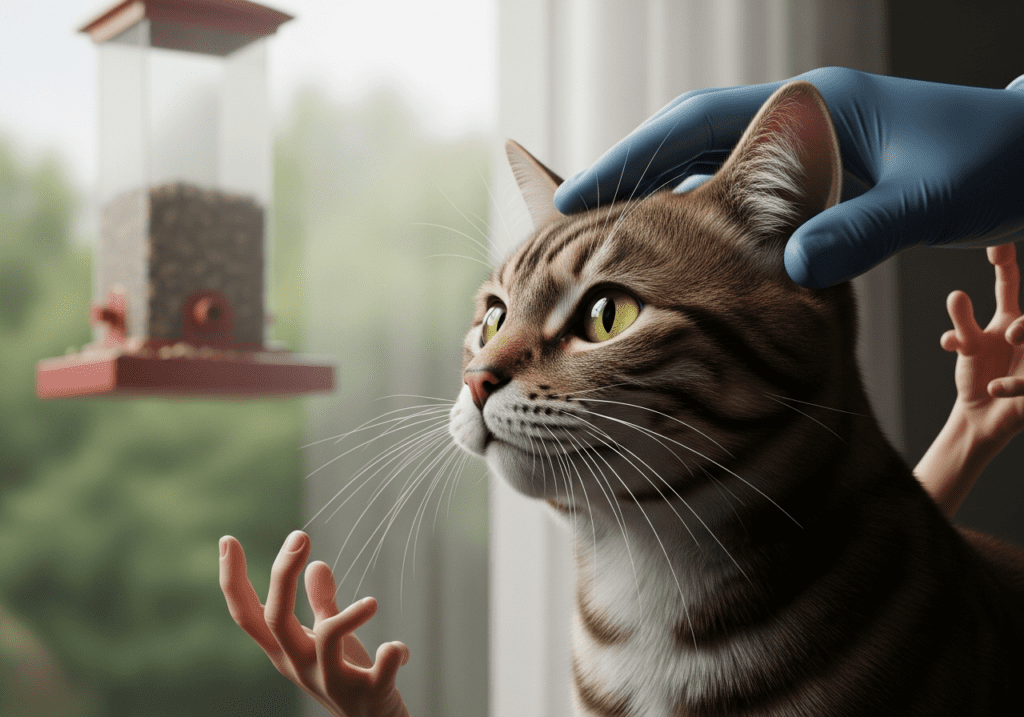
A recent incident involving a domesticated cat in Saskatchewan has raised significant concerns surrounding H5N1 avian influenza and its impact on pet health. As veterinarians and clinic staff, understanding the nuances of this disease is crucial. We need to address both the public health risks and ensure the safety of our beloved domestic pets. In this post, we will explore the implications of H5N1 avian influenza for veterinary clinics, pet owners, and clinical staff alike.
Understanding H5N1 Avian Influenza
H5N1 avian influenza is primarily known for its effect on birds, but it can also pose risks to mammals, including domestic cats. The recent case in Saskatchewan spotlights the necessity for veterinarians to stay well-informed about zoonotic diseases. As a result, clinic staff must be alert not only to symptoms in pets but also to potential sources of infection in their environments.
Risks for Domestic Cats
Domestic cats are at risk due to their predatory behaviors. For instance, they may hunt birds affected by the virus. Additionally, cat health can be jeopardized through contact with infected surfaces or environments. Symptoms to watch for include:
- Respiratory distress
- Neurological abnormalities
- Severe lethargy
- Decreased appetite
Clinical Considerations for Veterinary Practices
Veterinary clinics must be prepared to respond to potential cases of H5N1 avian influenza. This includes enhancing awareness and training among clinic staff. For example, general practice veterinarians should consider implementing routine checks for exposure history in patients presenting with symptoms. Emergency veterinarians should be equipped to handle acute situations, including prioritizing isolation protocols for suspected cases.
Operational Efficiency Amid Public Health Concerns
Efficient operational protocols can help mitigate risks. Clinics should consider the following strategies:
- Establishing screening protocols for incoming patients with relevant exposure histories.
- Educating pet owners about safe practices, such as keeping pets indoors during outbreaks.
- Maintaining clear communication lines with public health officials to stay updated.
Staying Informed and Engaged
Continuous education on topics like H5N1 avian influenza is vital for clinic staff, particularly veterinary internal medicine specialists. They can provide insights about the implications of emerging diseases. It’s equally essential for practice owners and managers to facilitate ongoing training, creating a culture of learning that prioritizes patient care and safety.
Conclusion
In conclusion, the emergence of H5N1 avian influenza in domestic pets highlights the need for vigilance within veterinary practices. By integrating tailored strategies for awareness, education, and operational efficiency, clinics can protect both pets and their owners. Pulivarthi Group understands these complexities and offers support in finding the right talent across various roles, ensuring that your veterinary practice remains prepared and responsive to emerging public health challenges.