In the ever-evolving field of veterinary medicine, continuous advancements pave the way for better animal care and treatment effectiveness. Veterinary clinics today face the pressing challenge of incorporating innovative practices and treatments. This evolution not only enhances the standard of care but also addresses increasing patient expectations and global veterinary standards.
Innovations in Veterinary Treatments
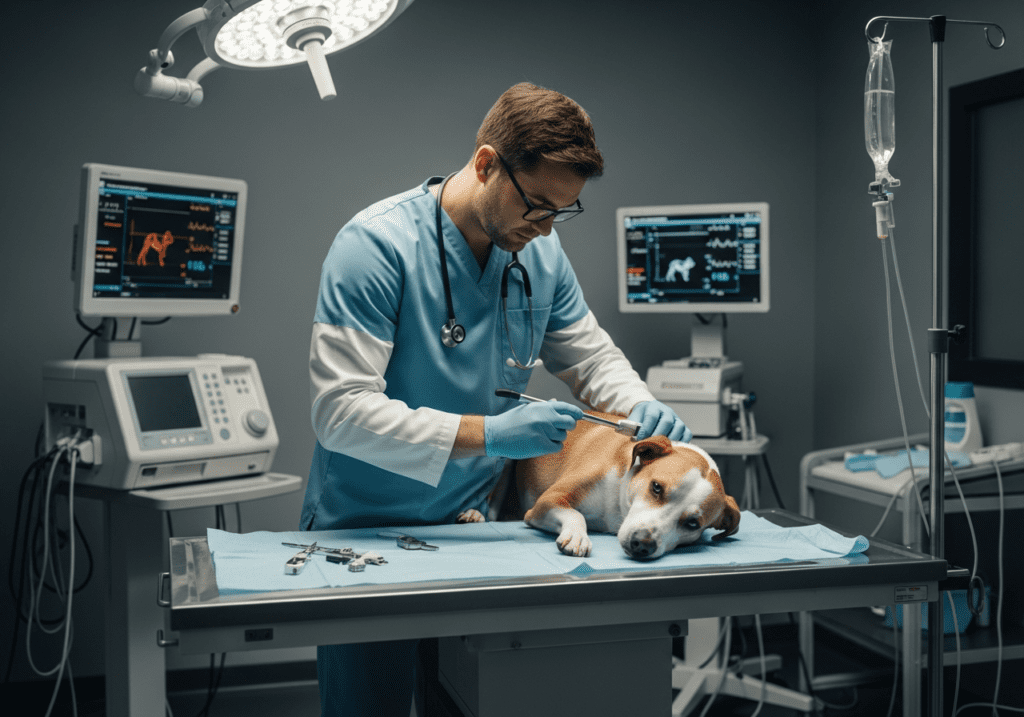
One of the most promising trends in veterinary medicine is the adoption of technology in patient diagnostics and treatment plans. For example, telemedicine has gained traction, allowing veterinarians to evaluate patients remotely. This is particularly beneficial for emergency veterinarians and urgent care settings, where timely decisions can save lives. Furthermore, advancements in surgical techniques and minimally invasive procedures have drastically reduced recovery times.
- Telemedicine for remote consultations
- 3D imaging for precise diagnostics
- Minimally invasive surgeries
- Stem cell therapy for joint issues
- Advanced pain management protocols
In addition to these innovations, veterinarians specializing in internal medicine, particularly board-certified veterinary internal medicine specialists, are pioneering integrative approaches that combine traditional and alternative therapies. As a result, patients benefit from comprehensive care that not only targets symptoms but also addresses underlying issues.
Improving Operational Efficiency
Veterinary clinics need operational efficiency to implement these innovative treatments effectively. For instance, practice owners and managers must consider systems that streamline communication between clinical staff and veterinarians. Adopting effective management software can improve workflow, thus enhancing patient care in general practices and specialty clinics alike.
Utilizing data analytics helps identify trends within the practice. This information can guide resource allocation and staffing plans, thereby ensuring that the correct number of staff is available during peak periods. Facilities may also benefit from cross-training staff across various roles, such as associating veterinarians with shelter veterinarians, to mitigate staff shortages.
Challenges Unique to Veterinary Roles
Each veterinary role faces unique challenges that call for tailored solutions. For instance, urgent care veterinarians often deal with high-pressure situations, necessitating decision-making speed and accuracy. To navigate this environment, these professionals must stay updated on the latest treatments and protocols. On the other hand, shelter veterinarians prioritize the well-being of multiple animals, which requires a strong focus on resource management and organizational skills.
Moreover, community medicine veterinarians play a vital role in public health, necessitating collaborations with local organizations to improve animal welfare. Their task is to educate pet owners, enhancing the human-animal bond and advancing welfare initiatives. By embracing innovative practices, these veterinarians can significantly impact animal care, especially in underserved communities.
Preparing for Future Trends
Looking ahead, the veterinary industry will likely see further integration of artificial intelligence (AI) and machine learning. These technologies enhance diagnostic accuracy and patient outcomes. For example, AI can analyze vast datasets to identify effective treatment protocols based on previous cases. As a result, veterinary clinics can deliver personalized medicine tailored to each patient’s needs.
Finding and retaining talented professionals will remain a significant concern across all veterinary roles. As specialties expand, practices may struggle with recruitment. Therefore, investing in a strong workplace culture and providing ongoing education opportunities can enhance job satisfaction among veterinarians and clinical staff.
Conclusion
In conclusion, as innovative practices revolutionize animal care, veterinary clinics must stay abreast of industry trends to enhance treatment effectiveness. Understanding the implications of these advancements ensures better patient outcomes across various veterinary roles, from general practice veterinarians to specialists like board-certified veterinary internal medicine specialists. The journey toward improved animal care is ongoing, and partnerships with organizations like Pulivarthi Group can help clinics access skilled professionals to achieve their goals efficiently. Their expertise in connecting veterinary practices with sought-after talent is crucial for sustaining high standards in patient care and operational success.