A recent survey of veterinarians highlights critical opinions on dairy calf housing practices. The findings reveal that many veterinary professionals advocate for individual and small group housing for unweaned dairy calves. This reflects growing concerns around animal welfare and housing standards within the dairy industry. With animal welfare becoming a central issue in veterinary medicine, understanding effective housing practices is essential for veterinarians and dairy farmers alike.
Understanding the Importance of Proper Housing
Animals thrive in environments that meet their physical and psychological needs. For unweaned dairy calves, appropriate housing benefits their growth, development, and overall welfare. The survey indicates that veterinarians in both the US and Canada overwhelmingly support practices that promote the well-being of calves. This includes considerations for social interaction, comfort, and protection from environmental stressors.
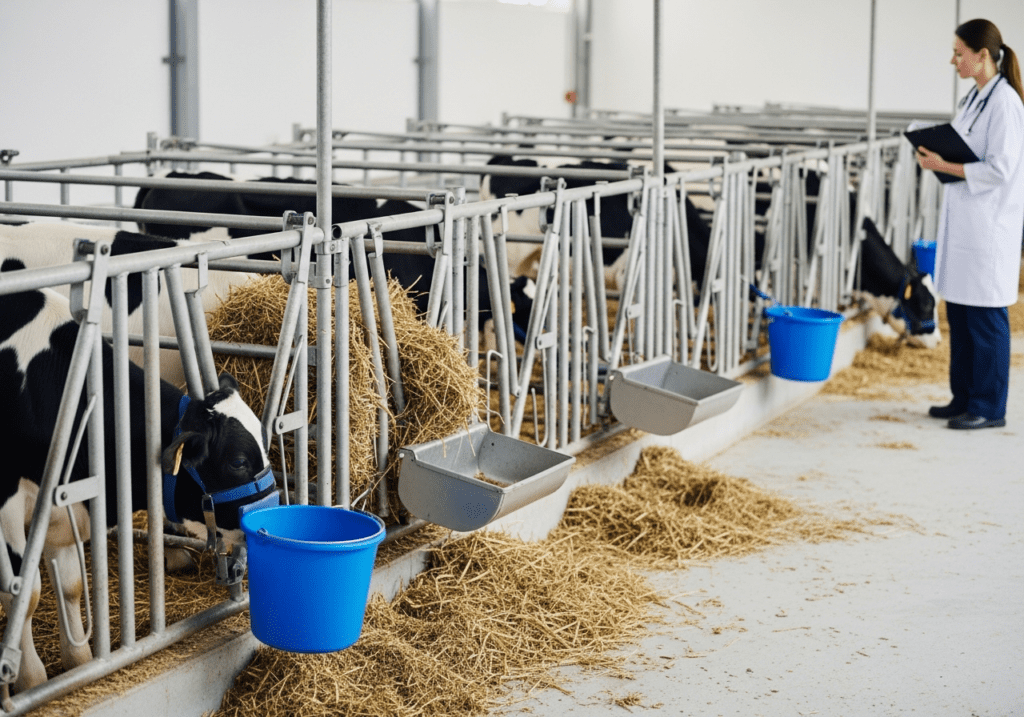
Veterinarians play a crucial role in advising dairy farmers on proper housing techniques. For example, housing that allows for individual space without isolation can significantly reduce stress levels in calves. Additionally, small group housing facilitates socialization while maintaining control over individual care. Such environments also promote healthy behavior, leading to better long-term health outcomes.
Key Challenges in Calf Housing
One significant challenge in calf housing is balancing welfare standards with operational efficiency. Many veterinarians realize that while individual housing can be optimal for animal welfare, it may not always align with the labor resources available on the farm. For instance, urgent care veterinarians often face cases related to improper housing conditions that lead to illness or injury in calves.
- Labor Costs: Individual housing may require more labor for feed and care management.
- Space Constraints: Limited space can restrict the implementation of ideal housing designs.
- Management Practices: Farmers and veterinary staff must collaborate to create effective housing solutions.
Understanding these challenges allows veterinary professionals to recommend feasible solutions that enhance animal welfare while considering the realities of dairy operations.
Implementing Best Practices for Housing
Veterinarians can guide dairy farmers towards implementing best practices for housing unweaned dairy calves. Here are actionable insights:
- Group Housing Layout: Design housing to encourage healthy social interactions. Provide ample space for calves to move freely.
- Ventilation and Temperature Control: Ensure adequate ventilation to avoid respiratory issues and manage temperature swings.
- Hygiene Standards: Maintain cleanliness in living quarters to prevent disease outbreaks.
Moreover, regular monitoring and adjustment of these practices based on health assessments can lead to improved outcomes for calves. For example, critical care veterinarians can develop protocols that incorporate welfare assessments into routine veterinary evaluations.
Conclusion
In conclusion, the housing of unweaned dairy calves is an essential issue for veterinary professionals involved in clinical practice and animal welfare. The survey findings underscore a clear consensus among veterinarians: the support for individual and small group housing reflects a commitment to improving calf welfare. As the veterinary industry adapts to evolving animal welfare standards, clinics must stay informed and be advocates for best practices.
Pulivarthi Group understands the importance of having knowledgeable and skilled veterinary professionals to support these efforts. Our role as a staffing partner helps clinics access hard-to-find talent across various specialties, including Associate Veterinarians, Urgent Care Veterinarians, and Veterinary Internal Medicine Specialists. Together, we can champion the welfare of dairy calves, ensuring that veterinary practices lead the charge in promoting high housing standards and improving patient care.