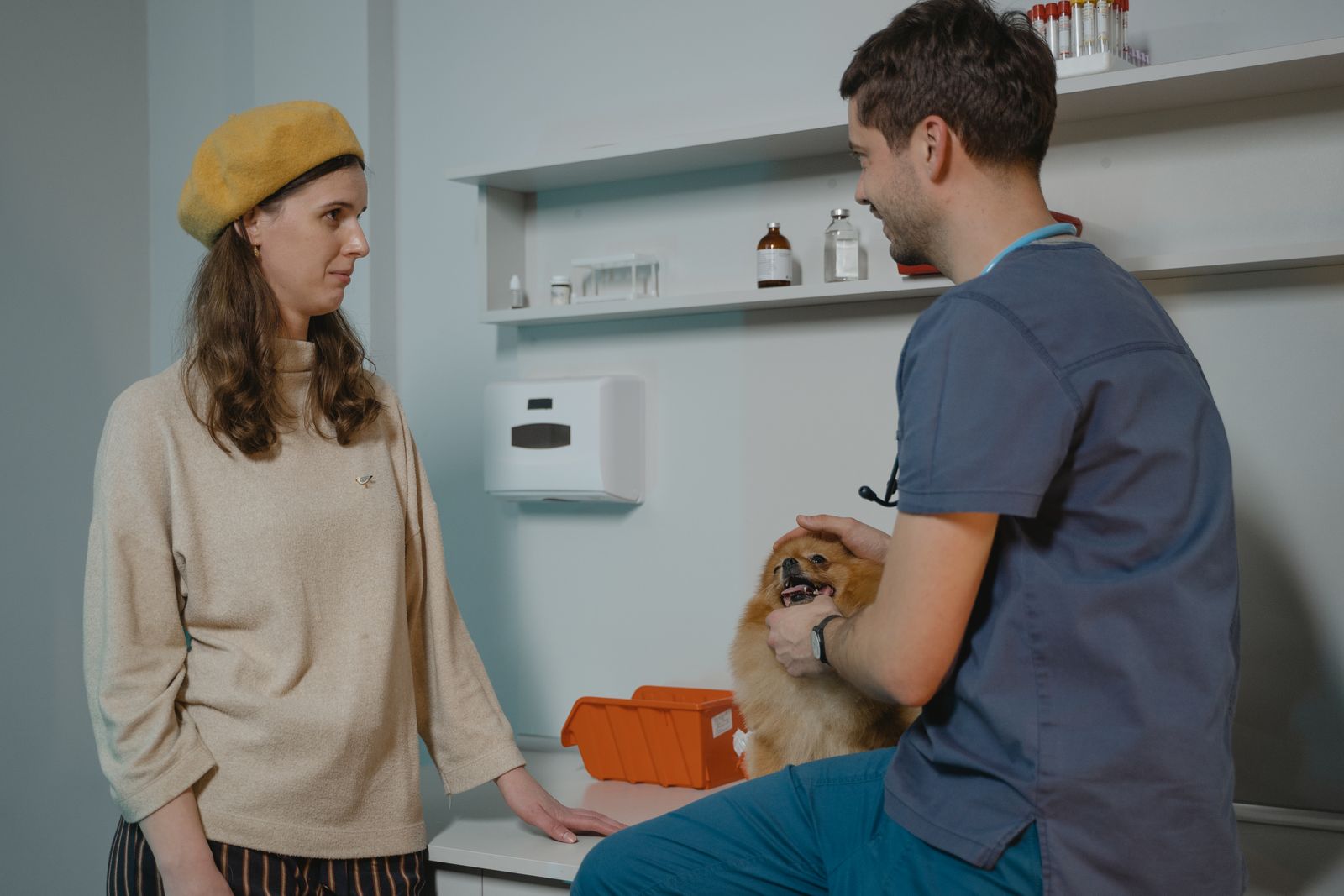
Managing chronic cough in pets presents a significant challenge for veterinary clinics. A chronic cough can stem from various underlying conditions, making effective veterinary diagnosis essential. Many practitioners struggle with diagnosing chronic cough and developing appropriate treatment plans due to the lack of definitive diagnoses. This blog explores effective strategies for managing chronic cough in pets, emphasizing the roles of veterinary professionals including general practice, emergency, and specialty veterinarians.
Understanding Chronic Cough in Pets
Chronic cough in dogs and cats can be caused by a range of diseases, from respiratory infections to cardiac issues. Recognizing the underlying cause is crucial. For example, veterinarians must differentiate between allergies, infectious diseases, and neoplasia. Regular check-ups and a thorough history-taking process help in identifying chronic cough more effectively.
This issue particularly affects general practice veterinarians, who often see a wider variety of symptoms compared to specialists. They must rely heavily on clinical skills to assess chronic cough situations. As a result, general practice veterinarians must prioritize a comprehensive diagnostic approach that includes physical examinations and appropriate imaging studies.
Clinical Examination and Diagnostic Challenges
Veterinary internal medicine specialists play a pivotal role when chronic cough cases are referred. They utilize advanced diagnostic tools such as bronchoscopy and thoracic ultrasound. However, common barriers remain in achieving conclusive diagnoses. For example, while radiography can reveal masses or fluid, it may not always explain the cough’s origin. Thus, practitioners face significant challenges when developing effective treatment plans without clear diagnostics.
- Consider whether the cough is productive or dry.
- Assess for accompanying signs such as fever, lethargy, or vomiting.
- Prioritize appropriate laboratory tests, including CBC and chemistry panels.
- Consult with specialists for advanced diagnostic techniques when necessary.
Management and Treatment Protocols
Treatment of chronic cough should be multi-faceted. Vets must address underlying conditions and provide supportive care. For instance, if a cough stems from bronchitis, using bronchodilators and anti-inflammatories can improve comfort and quality of life. On the other hand, if a heart condition is diagnosed, the veterinarian must implement a cardiac management protocol without delay.
Emergency veterinarians, who often deal with cases in acute distress, must balance urgent intervention with long-term management strategies. They can implement immediate treatments for severe coughing episodes while recommending follow-up care plans. Meanwhile, urgent care veterinarians focus on stabilizing pets and referring them for long-term management to general practice or specialists.
Leveraging Technology and Communication
Technology enhances the diagnostic and treatment process significantly. Electronic health records (EHRs) improve communication between veterinary clinics, ensuring all clinical staff remain updated on a patient’s history regarding chronic cough. This systematized approach promotes a cohesive team effort for managing these challenging cases.
Moreover, educating pet owners about signs and symptoms of chronic cough can empower them to seek timely veterinary intervention. Creating educational materials and engaging with pet owners through digital platforms fosters better relationships and encourages compliance with treatment protocols.
Conclusion
In conclusion, managing chronic cough in pets requires a collaborative approach within veterinary teams. By understanding the complexities of diagnosis and utilizing efficient management techniques, veterinarians can significantly improve pet health outcomes. Pulivarthi Group can support veterinary clinics in meeting staffing needs by connecting them with specialists, including board-certified veterinary internal medicine specialists, urgent care veterinarians, and more. Through strategic partnerships, clinics can enhance their operational efficiency, ensuring they provide the best care for every chronic cough case.