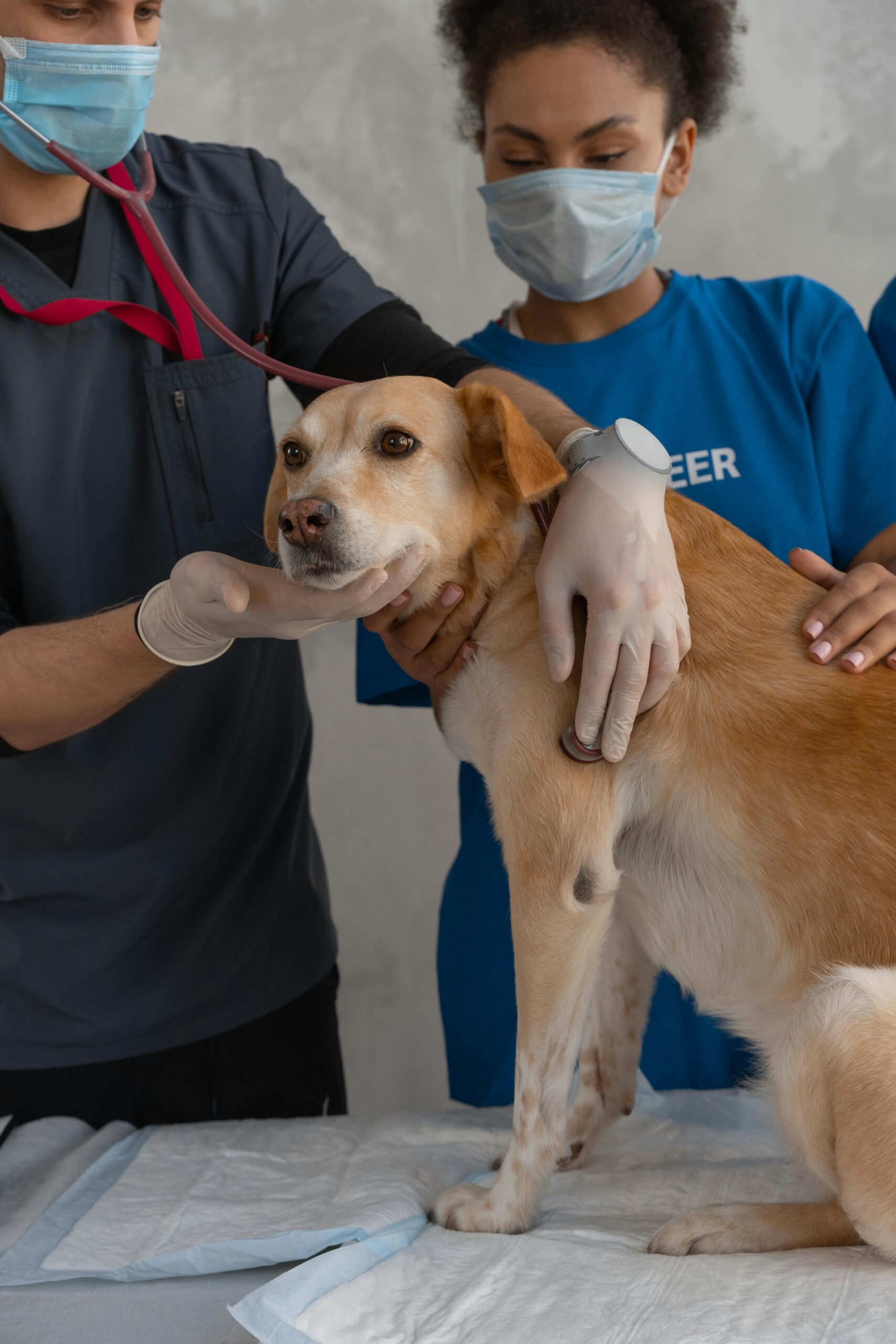
Veterinary relief staffing is the fastest of the veterinary staff shortage solutions available to clinics today. A credentialed relief DVM or technician covers shifts within days, keeps revenue flowing, and protects your permanent team from overload. This guide explains how veterinary relief staffing works and how supportive staffing partners reduce DVM workload without long-term commitments.
In the ever-evolving landscape of veterinary medicine, relief staffing is becoming crucial for clinics across the United States. Due to ongoing staff shortages, veterinary practices face increased pressure to maintain quality care for their patients. Implementing effective relief staffing solutions allows clinics to overcome staffing challenges and enhance operational efficiency.
Understanding the Challenges of Staff Shortages
Staff shortages are not just numbers; they represent a real challenge to veterinary clinics and their ability to provide optimal patient care. With the growing demand for veterinary services, many practices experience gaps in staffing. This challenge is exacerbated in specialty roles such as Emergency Veterinarians or Veterinary Internal Medicine Specialists, where the need for expertise is critical.
Moreover, the disparities in staffing needs differ notably between general practice veterinarians and urgent care veterinarians. Urgent care facilities often experience surges in patient volume, requiring immediate support. With high turnover rates and burnout prevalent in the industry, practices must strategize to find sustainable staffing solutions.
Relief Staffing Solutions: A Practical Approach
Relief staffing goes beyond simply filling gaps; it ensures continuity of care and supports clinical teams. By leveraging medical professionals skilled in various roles, veterinary clinics enhance their services. For instance, hiring relief veterinarians allows practices to manage fluctuating patient loads without compromising on service quality. This is particularly important for mixed animal and food animal veterinarians who need to balance diverse cases.
Practices considering relief staffing should take the following steps:
- Assess Staffing Needs: Identify specific areas where relief staffing is needed most.
- Develop Relationships: Network with relief staffing agencies to find qualified professionals.
- Implement Flexible Scheduling: Create shifts that accommodate relief staff availability.
- Evaluate Performance: Regularly assess the impact of relief staffing on clinic operations and patient care.
Industry Trends Shaping Relief Staffing
The veterinary industry is witnessing notable trends that affect staffing. Telemedicine has gained traction, enabling veterinarians to extend their reach without additional in-clinic hours. This shift allows for more flexible work arrangements, attracting potential relief staff who prefer hybrid roles.
Furthermore, the growing interest in community medicine creates opportunities for shelter veterinarians and community veterinarians. These roles require specialized skills, and clinics can benefit from engaging relief staff who possess them when needed, maintaining the consistency and quality of care throughout the community.
The Future Workforce Reality
As the landscape of veterinary medicine changes, so does the workforce. Millennials and Gen Z are entering the veterinary field with different expectations surrounding work-life balance and flexibility. Practices that adapt to these emerging trends can attract top talent. Clinics should foster inclusive environments and provide ongoing education opportunities to engage relief staff, enhancing their overall work experience.
Ultimately, the key to a successful relief staffing strategy lies in embracing adaptability and resource management. Deploying relief staff effectively can alleviate the burden on full-time veterinarians, allowing them to focus on patient care.
Frequently Asked Questions
What is veterinary relief staffing?
Licensed veterinarians and technicians who work your practice for defined periods: a shift, a week, or a season. The agency or platform handles credentialing and scheduling.
When does relief staffing beat hiring?
For vacations, parental leave, sudden departures, and demand spikes. For a permanently open seat, pair relief coverage with a direct-hire search so care never pauses. Our guide to veterinary staff shortage solutions compares all the options.
How do I find supportive relief coverage that reduces DVM workload?
Look for partners that pre-credential their pool, match by practice type, and support scheduling. A specialized veterinary staffing partner such as Pulivarthi Group manages temporary and permanent placements under one roof.
Conclusion
In summary, the veterinary industry faces significant staffing challenges, making relief staffing solutions more pertinent than ever. By understanding these challenges and exploring relief staffing options, veterinary clinics can enhance their operational efficiency and improve patient care. Pulivarthi Group stands ready to assist your practice in navigating these staffing complexities, providing access to qualified professionals across various roles—from Associate Veterinarians to Board-Certified Veterinary Internal Medicine Specialists. Together, we can ensure your clinic remains resilient and responsive in these demanding times.