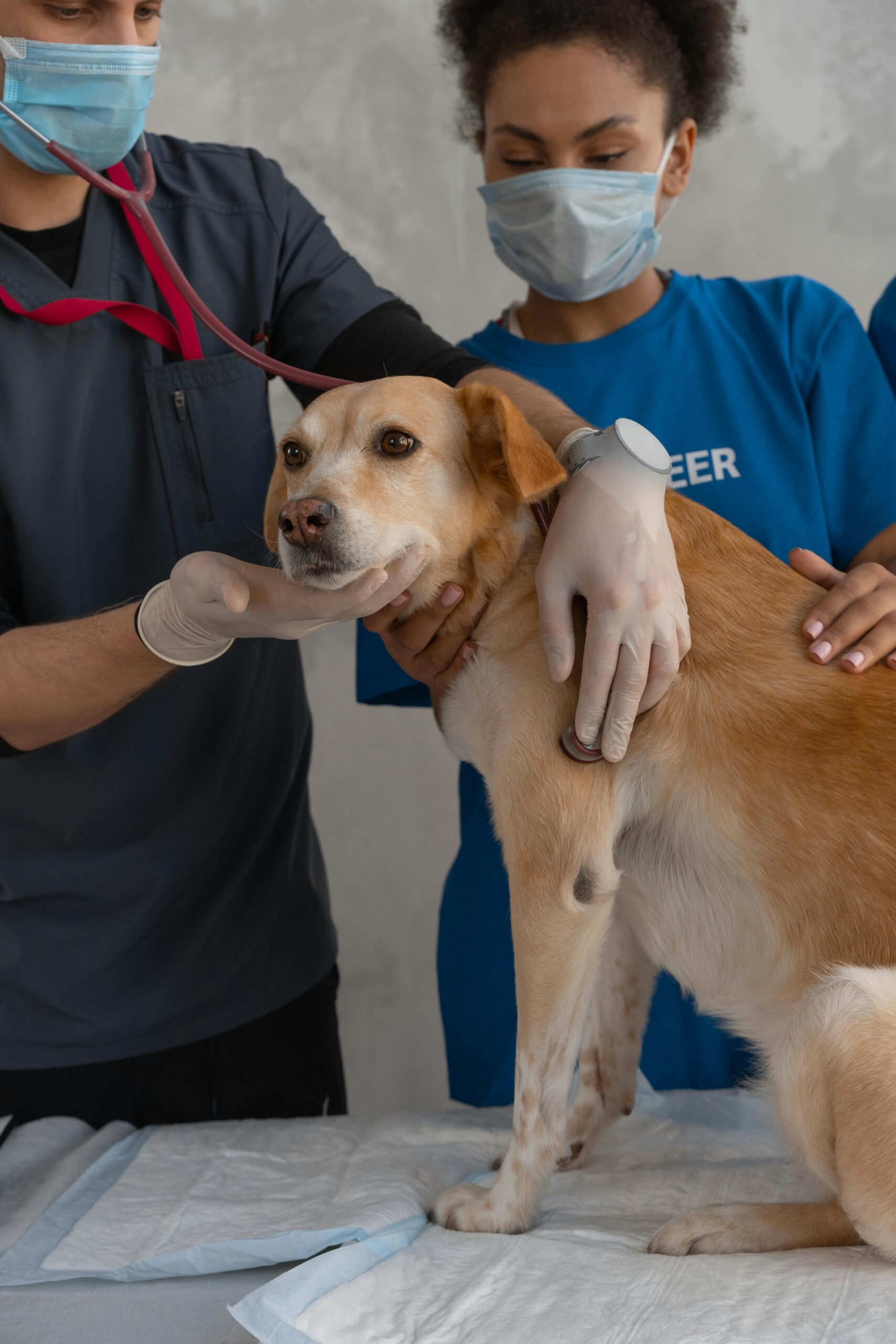
The veterinary industry faces a serious structural workforce crisis. This crisis has measurable consequences for clinic revenue, animal care quality, and staff wellbeing. If you own or manage a veterinary practice, you need to understand the scope of this problem. More importantly, you need to know what you can do about it right now. This guide covers the data and the veterinary staff shortage solutions that are working in 2026. For a deeper look at the causes, see our veterinary workforce shortage report.
How Bad Is the Shortage? The Numbers Tell the Story
The U.S. Bureau of Labor Statistics (BLS) projects veterinarian employment to grow 10% between 2024 and 2034. That is significantly faster than average job growth. However, this demand is outpacing supply. The United States has only 32 accredited veterinary colleges, and each produces a limited number of graduates annually. As a result, the AVMA has estimated a shortage of more than 15,000 veterinarians by 2030.
On the technician side, the picture is equally serious. According to the BLS, veterinary technologist and technician employment is projected to grow 15% through 2034. Yet supply is not keeping pace. Meanwhile, the median annual wage for veterinary technicians is around $42,000. Consequently, many experienced technicians leave clinical practice for higher-paying roles in pharmaceutical, research, or military settings.
In short, clinics are competing for a shrinking pool of qualified candidates. Often, they compete directly against corporate practices with much larger HR budgets.
Why the Shortage Is Structural, Not Cyclical
Many clinic owners waited for the pandemic-era staffing surge to normalize. Unfortunately, that has not happened. Three forces are keeping this shortage structural.
1. The Education Bottleneck
Veterinary training takes a minimum of four years after undergraduate study. Even if every veterinary school doubled enrollment today, the labor market would not feel the relief until 2030 at the earliest. Furthermore, the AVMA’s Workforce Task Force has found that accreditation requirements and faculty shortages constrain how many graduates schools can produce each year.
2. Debt-to-Income Misalignment
The average veterinary school graduate carries $150,000–$200,000 in student debt. At the same time, starting salaries at independent clinics often range from $80,000–$100,000. As a result, many new graduates choose higher-paying corporate or specialty roles. This directly disadvantages independent practices that compete on salary alone.
3. Attrition from Burnout
Research published in the Journal of the American Veterinary Medical Association found that more than 60% of veterinarians reported burnout symptoms. Private practice small-animal practitioners carry a disproportionate share of this burden. Moreover, when burned-out professionals leave, they rarely return to the same practice setting.
The Real Cost of an Unfilled Veterinarian Role
Before addressing solutions, clinic owners need to understand the true financial cost of a vacancy. Research from veterinary practice management consultants consistently estimates that a single unfilled DVM role costs a practice $15,000–$25,000 per month. These costs come from reduced appointment capacity, increased emergency referrals, and overtime burden on remaining staff.
Additionally, an unfilled veterinary technician role typically costs $8,000–$12,000 per month. This accounts for reduced throughput, DVM time diverted to technician-level tasks, and declining client satisfaction.
In other words, these are not hypothetical numbers, and they explain why veterinary staff shortage solutions belong on the leadership agenda. They represent the real business case for treating your staffing strategy as a clinical priority, not an administrative afterthought.
8 Veterinary Staff Shortage Solutions Clinic Owners Are Using Now
1. Partner with a Specialized Veterinary Staffing Agency
The fastest path to qualified candidates is a staffing agency with pre-screened, credentialed talent pools for veterinary roles. Generalist recruiters rarely understand NAVLE requirements, state licensing reciprocity, or the clinical differences between emergency, general practice, and specialty DVMs. By contrast, Pulivarthi Group’s veterinary staffing division places DVMs, veterinary technicians, and practice managers in permanent, temporary, and contingent roles.
2. Expand Your Relief Staffing Model
Relief veterinarians are independent contractors who cover shifts on a per-diem or weekly basis. They are an underused resource for practices dealing with sudden vacancies or seasonal demand spikes. To learn more, read our guide on transforming your practice with relief staffing.
3. Revisit Your Compensation and Benefits Structure
Salary alone is rarely enough to close the gap with corporate competitors. As a result, practices that are winning the talent war offer differentiated benefits. These include student loan repayment contributions, paid continuing education, and defined mentorship programs for new graduates. For example, even a $5,000 annual student loan contribution can materially shift a candidate’s decision.
4. Build a Visible Employer Brand
Candidates research practices before they apply. They read Google reviews, check Glassdoor, and assess your social media presence. Therefore, a clinic with no digital presence is invisible to passive candidates who represent the strongest talent pool. See our full guide to building a strong veterinary employer brand for specific steps.
5. Widen Your Technician Pipeline
Many practices exclusively hire experienced, credentialed technicians — and then find the pool empty. Instead, consider partnering with local veterinary technology programs to create externship pipelines. You can also offer tuition assistance for promising veterinary assistants pursuing RVT certification. Additionally, cross-training existing staff into expanded roles, where state regulations permit, creates new capacity without adding headcount.
6. Use Technology to Stretch Existing Capacity
Telemedicine triage, online pharmacy integrations, and automated appointment reminders reduce the workload that does not require a licensed professional in the room. Practices that automate administrative tasks free up several DVM and technician hours per week. That works like adding a part-time hire without recruiting anyone.
7. Offer Flexible Scheduling Before Candidates Ask
Compressed workweeks, part-time tracks, and rotating shifts consistently rank among the strongest retention levers in veterinary medicine. In addition, blending permanent staff with scheduled relief coverage keeps full-time teams off the overtime treadmill during demand spikes.
8. Build a Retention System, Not Just a Hiring Pipeline
Every avoidable departure adds another vacancy to fill. Stay interviews, exit interviews, and access to mental health support catch burnout early. Given that more than 60% of veterinarians report burnout symptoms, retention is the cheapest veterinary staff shortage solution available to most clinics.
What Is Changing in Veterinary Staffing Models in 2026
Staffing models are shifting quickly this year, and three updates stand out. First, relief and fractional work keeps growing as more DVMs choose contract schedules over full-time roles. Second, hybrid roles that combine in-clinic care with telemedicine hours are becoming a standard offer in competitive markets. Third, more states are reviewing expanded practice authority for credentialed technicians, which changes how clinics can structure their teams. Consequently, clinics that revisit their staffing model each quarter adapt faster than clinics that only hire reactively.
Frequently Asked Questions
What is causing the veterinary staff shortage?
Three structural forces: an education bottleneck (32 accredited schools with capped enrollment), debt-to-income misalignment for new graduates, and attrition driven by burnout. Demand for care keeps rising while supply cannot catch up before 2030.
Which veterinary staff shortage solutions work fastest for a clinic?
Short term, relief staffing or a specialized veterinary staffing agency fills gaps in days to weeks. Long term, retention programs and technician pipelines reduce how often you need to hire at all.
Will the veterinary shortage end by 2030?
Unlikely. The AVMA estimates a shortage of more than 15,000 veterinarians by 2030, and school capacity cannot expand quickly enough to close that gap. Clinics should plan for a tight labor market through the decade.
How much does an unfilled veterinary role cost?
Roughly $15,000–$25,000 per month for a DVM vacancy and $8,000–$12,000 per month for a technician vacancy, from lost appointments, outbound referrals, and overtime load.
Your 90-Day Action Plan
If you manage a veterinary practice, here is how to turn these veterinary staff shortage solutions into a prioritized 90-day plan:
- Audit your current vacancies and calculate the monthly revenue cost of each unfilled role.
- Request a workforce consultation from a specialized veterinary staffing partner to assess your local candidate market.
- Survey your current staff on their primary burnout drivers. Quarterly pulse surveys catch problems while you can still act on them.
- Review your compensation structure against AVMA salary benchmarks for your region and practice type.
- Establish at least one externship partnership with a regional veterinary technology program before the next academic semester begins.
Ready to Fill Your Open Veterinary Roles?
Pulivarthi Group specializes in placing qualified veterinary professionals — DVMs, RVTs, practice managers, and support staff — in clinics across the United States. Our pre-screened talent pool means faster time-to-hire and stronger fit, making a specialist partner one of the most reliable veterinary staff shortage solutions available.
Contact Pulivarthi Group today to discuss your open veterinary positions.
Sources: U.S. Bureau of Labor Statistics — Veterinarians | BLS — Veterinary Technologists and Technicians | AVMA Workforce Task Force Reports | Journal of the American Veterinary Medical Association