

Keeping Pets Moving: A Multimodal Approach

Learn how a multimodal approach can enhance your pet’s mobility and quality of life, tackling common mobility challenges.
Cutting Clinic Hours to Handle Staff Shortage Makes Things Worse, Not Better

A veterinary hospital staff shortage forces clinics to reduce hours — but that creates a costly cycle. This guide gives practice owners three staffing strategies to maintain service continuity instead.
New York Enhances EHR Access to Behavioral Health Data

New York has expanded access to behavioral health data within EHR systems to streamline patient care.
Exploring IV MSC therapy for canine osteoarthritis management

A pilot study supports the use of IV MSC therapy for managing pain in canine osteoarthritis.
Federal Loan Changes Threaten Behavioral Health Workforce

Proposed federal loan program changes may lead to a workforce crisis in behavioral health. Learn more about the implications.
Understanding the History of Veterinary Client-Patient Relationships

This article explores the evolution of the veterinary client-patient relationship and its impact on practice today.
Hiring Peer Support Specialists: Credentials, Compensation, and Retention for Recovery Programs

New York City allocates $12 million to strengthen recovery services through peer outreach and workforce programs, aiming to reduce overdose deaths.
Understanding Nutritional-Related Dermatopathies in Pets
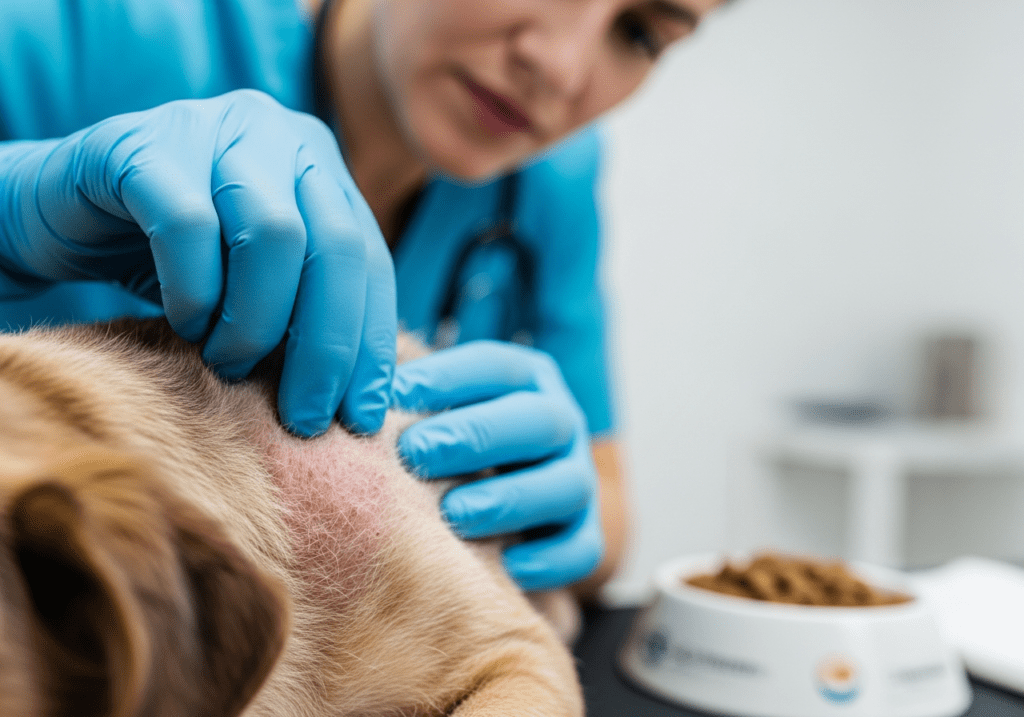
This article delves into the causes and management of nutritional-related dermatopathies in pets, providing valuable insights for veterinarians.
Understanding Canine Osteoarthritis: What Veterinarians Need to Know

Canine osteoarthritis is widespread yet often underdiagnosed. This blog highlights the importance of educating veterinarians about OA.
Celebrating the Future Leaders of Healthcare 2026

WTWH Healthcare announces the Future Leaders Class of 2026, honoring young professionals transforming the healthcare landscape.