Maintaining pet mobility is essential for overall quality of life. As a veterinary clinic professional, understanding the multimodal approach to pet mobility can significantly enhance patient care. Many pets suffer from conditions like arthritis, which can hinder their ability to move comfortably. By implementing a comprehensive strategy, you can help improve mobility and, ultimately, the well-being of your patients.
Understanding the Multimodal Approach
A multimodal approach integrates various therapies and management strategies to address specific conditions affecting mobility. This can include medications, physical therapy, weight management, and nutritional support. For example, utilizing anti-inflammatory medications can relieve pain, while supplements like glucosamine can support joint health. Integrating these methods allows for personalized care tailored to each pet’s needs.
Challenges in Maintaining Mobility
Veterinary clinics often face challenges in maintaining pet mobility. Associate veterinarians may notice that clients are unsure of how to proceed with mobility issues. Urgent care veterinarians frequently encounter animals in acute pain requiring immediate intervention. On the other hand, specialty roles, such as those filled by board-certified veterinary internal medicine specialists, often tackle more complex cases that require targeted and advanced therapies.
Effective Strategies for Improvement
- Regular Assessments: Regular check-ups enable early identification of mobility issues.
- Customized Treatment Plans: Develop individualized plans that include a mix of therapies based on the pet’s condition.
- Client Education: Educate pet owners on how lifestyle changes can make a difference.
Each treatment plan should consider the unique needs of the patient. For example, a community medicine veterinarian may focus on providing affordable options to underserved populations, ensuring that pets receive necessary support for their mobility challenges.
The Role of Technology in Enhancing Mobility
Innovations in telemedicine also play a part in improving pet mobility care. Virtual consultations can facilitate timely assessments and allow veterinarians to adjust treatment plans quickly. Additionally, monitoring tools can track a pet’s physical activity levels and overall mobility, giving clinical staff valuable insight into their progress. This data can be particularly invaluable for emergency veterinarians needing to assess ongoing recovery from acute mobility issues.
Collaborating for Optimal Results
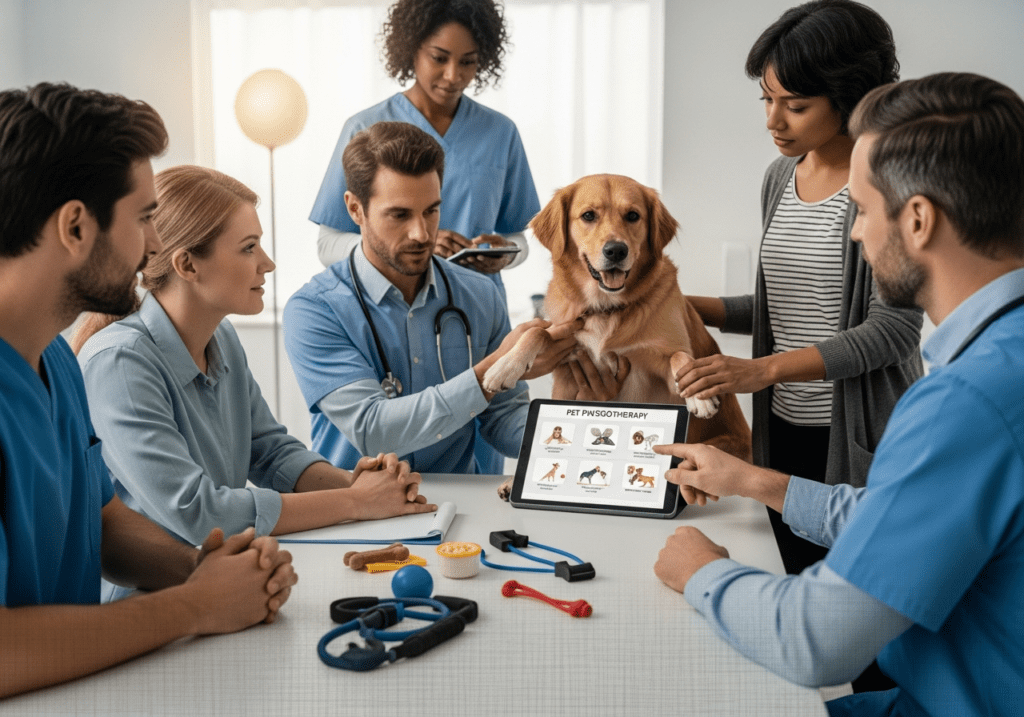
Collaboration among veterinary staff can enhance the management of mobility-related cases. General practice veterinarians should work alongside specialists to develop multidisciplinary approaches applicable to each patient. This teamwork enables a thorough understanding of when to refer patients to critical care veterinarians or veterinary internal medicine specialists for more persistent issues.
Looking Ahead: Trends in Pet Mobility Solutions
The veterinary industry is witnessing innovations in mobility solutions, from new therapeutic devices to dietary advances aimed at joint health. Staying updated with these trends is crucial for veterinarians and clinic managers. As they continue to evolve, clinics that integrate these innovative practices may see improved client satisfaction and better patient outcomes.
Conclusion
In conclusion, a multimodal approach to pet mobility is vital for improving the quality of life for pets facing mobility challenges. By employing various strategies and fostering collaboration among staff, veterinary clinics can significantly impact their patients’ well-being. The Pulivarthi Group understands the significance of access to skilled veterinary professionals. We can aid clinics in filling gaps in their staffing, ensuring they have the right talent, from associate veterinarians to specialized roles like a board-certified veterinary internal medicine specialist. Together, we can keep pets moving and thriving.