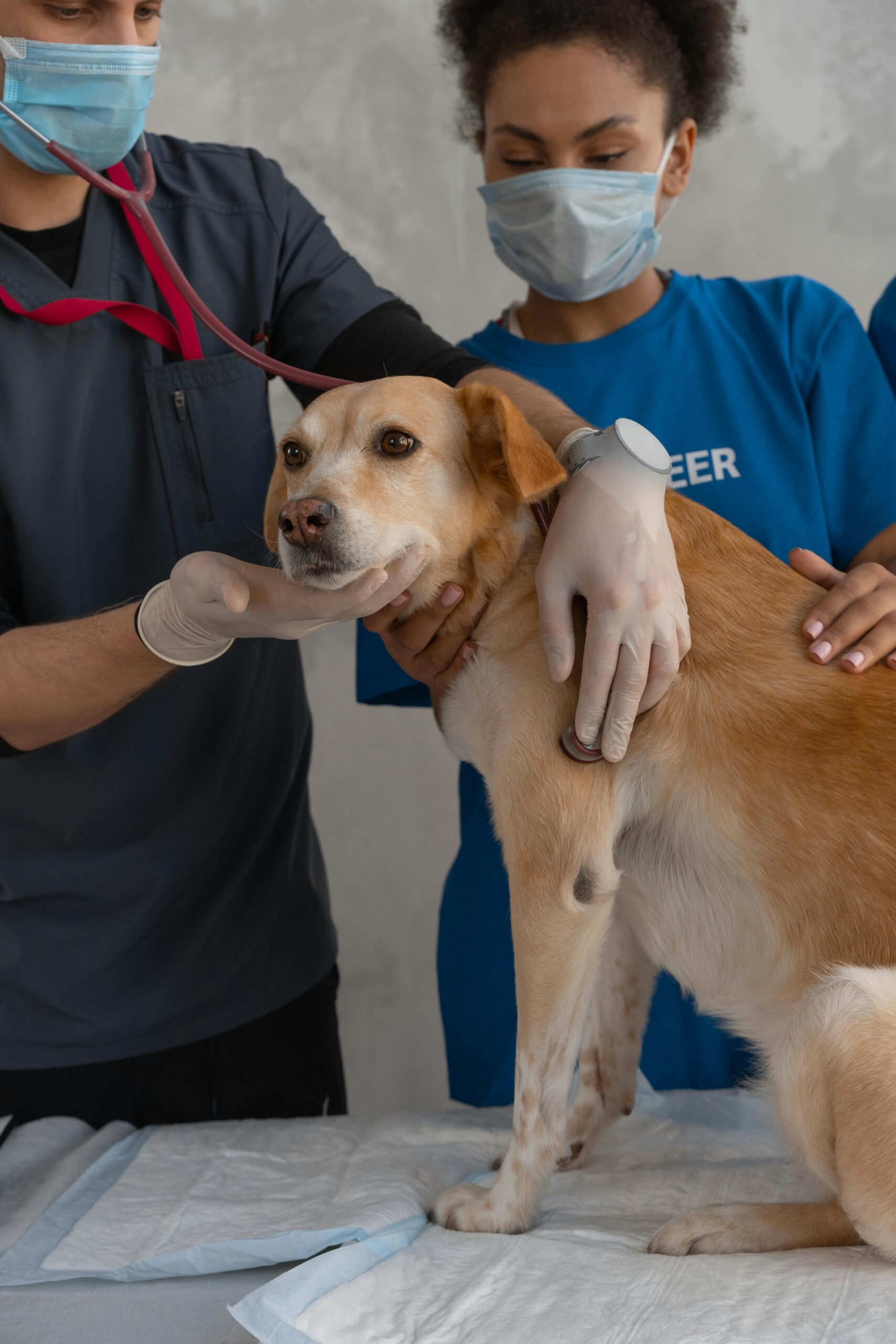
Canine osteoarthritis is a prevalent condition affecting dogs across the United States. It often goes undiagnosed or undertreated due to a lack of education and awareness among veterinarians. As a result, it is crucial for veterinary clinics to prioritize osteoarthritis education and management.
Understanding Osteoarthritis in Dogs
Osteoarthritis (OA) is a degenerative joint disease characterized by the breakdown of cartilage. It leads to pain, stiffness, and a decline in mobility. Commonly seen in older dogs, OA can also affect younger animals predisposed to joint issues. However, this condition is often overlooked due to insufficient training in veterinary schools regarding its early diagnosis and management.
Veterinarians and clinical staff play a key role in recognizing the signs of OA. Early intervention provides the opportunity to improve the quality of life for affected dogs. This highlights the necessity for ongoing education on canine osteoarthritis.
Challenges in Managing Canine Osteoarthritis
Veterinary clinics currently face several challenges surrounding the management of canine osteoarthritis:
- Insufficient Education: Many veterinary programs may not adequately cover the management of OA, leaving new veterinarians underprepared.
- Late Diagnosis: Symptoms such as limping or reluctance to exercise may be attributed to natural aging rather than OA.
- Lack of Proactive Treatment: Understanding the importance of early treatment can prevent progressive joint degeneration.
- Knowledge of Management Options: Clinicians must stay informed about the latest treatment options, from conventional medications to alternative therapies.
The Importance of Early Diagnosis
For associate veterinarians and general practice veterinarians, recognizing the signs of osteoarthritis early can significantly influence treatment outcomes. Instead of waiting for advanced symptoms, proactive screening can help in managing the disease effectively. This early intervention is vital for improving patient care in clinics.
Effective Management Strategies
To manage canine osteoarthritis successfully, a combination of treatments is often necessary. Options include:
- Weight management through balanced diets and exercise.
- Medications such as NSAIDs for pain relief.
- Physical rehabilitation including physiotherapy and hydrotherapy.
- Supplements like glucosamine and omega fatty acids to support joint health.
Veterans specializing in emergency and critical care, as well as shelter and community medicine veterinarians, can also contribute to comprehensive management. They can work together with general practitioners to create holistic treatment plans tailored to individual cases.
Recent Trends in Veterinary Education
The veterinary field is gradually recognizing the need to address canine osteoarthritis more comprehensively. Increasingly, veterinary schools and training programs are integrating modules focused on musculoskeletal disorders into their curricula. This includes the importance of pain recognition, owner communication, and managing chronic conditions like OA.
Conclusion
In conclusion, canine osteoarthritis is a multidisciplinary challenge that requires a dedicated approach from veterinarians across various specialties. The need for a solid foundation of education and proactive management strategies is critical for improving patient outcomes. As a partner in this journey, Pulivarthi Group assists veterinary practices in accessing essential talent, including associate and emergency veterinarians, to ensure that your clinic is well-equipped to handle the complexities of canine osteoarthritis.