Managing pain and mobility issues in dogs suffering from osteoarthritis is a significant challenge for veterinary clinics. As the population of aging dogs grows, veterinarians increasingly seek innovative treatments, such as IV MSC therapy. This therapy uses mesenchymal stem cells to alleviate symptoms and improve the quality of life for canine patients. Understanding its implementation in veterinary practice is crucial for effective patient care.
What is IV MSC Therapy?
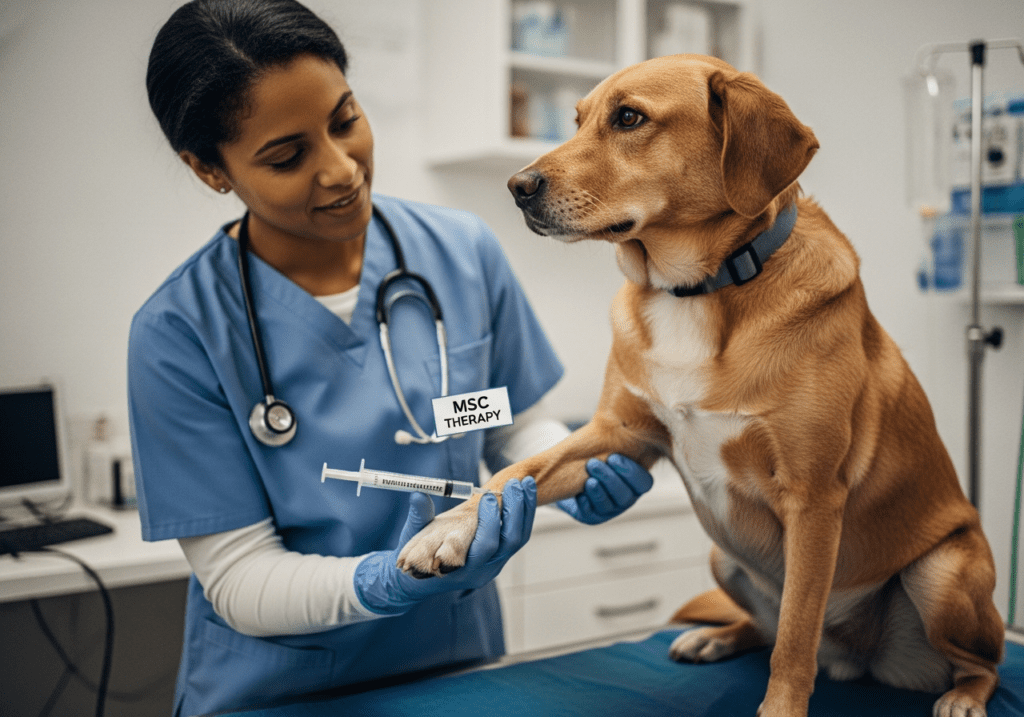
IV MSC therapy involves administering mesenchymal stem cells via intravenous injection. These cells are derived from various sources, including bone marrow and adipose tissue. They have the potential to differentiate into multiple cell types, aiding in tissue regeneration and reducing inflammation. Veterinary clinics now explore this therapy as a viable option for managing canine osteoarthritis effectively.
Addressing Pain Management Challenges
One of the key challenges in managing canine osteoarthritis is providing effective pain relief. Traditional treatments often rely on non-steroidal anti-inflammatory drugs (NSAIDs) and corticosteroids, which may not offer sufficient relief or can lead to adverse side effects over time. IV MSC therapy offers an alternative pathway, potentially improving pain management outcomes.
- Improved mobility and comfort for patients
- Reduced dependency on traditional pain medications
- Potential regenerative properties that promote healing
Clinical Implications of IV MSC Therapy
Veterinarians in general practice can introduce IV MSC therapy as part of a multifaceted treatment plan for osteoarthritis. For instance, combining this therapy with physical rehabilitation can yield significant improvements in a dog’s mobility. Emergency veterinarians may also consider this therapy for acute cases where rapid intervention is necessary.
Implementation within clinics requires a review of existing workflows. Considerations include the appropriate timing for therapy, necessary preparation, and potential follow-ups for patient evaluation. Additionally, client education about this emerging therapy is essential to ensure informed decision-making.
Current Trends in Veterinary Medicine
The trend towards integrating advanced therapies like IV MSC therapy is growing. A shift in focus from pharmacological treatments to regenerative medicine highlights the evolving landscape of veterinary care. Clinics that adopt these innovative treatments enhance their service offerings while improving patient outcomes. This trend also reflects a broader movement toward personalized medicine in veterinary practice.
However, it is essential for practitioners to remain up-to-date on ongoing research regarding the efficacy and safety of IV MSC therapy. Participating in continuous education and training can bridge knowledge gaps for veterinarians, especially for those specializing in internal medicine or critical care.
Workforce Realities in Implementing Innovative Therapies
As veterinary practices evolve, there is a growing need for skilled staff capable of implementing new therapies. Associate veterinarians and clinical staff must be trained in the nuances of regenerative medicine, such as IV MSC therapy. Also, collaboration between generalists and specialists plays a pivotal role in providing comprehensive care.
Moreover, practice owners and managers should consider the staffing ramifications of introducing new technologies. Navigating these challenges often requires reevaluating current staff roles and possibly recruiting specialists, such as a board-certified veterinary internal medicine specialist (DACVIM), to support the implementation of advanced therapeutic options.
Conclusion
In conclusion, IV MSC therapy presents a promising avenue for managing canine osteoarthritis, addressing key challenges in pain and mobility. Its integration into veterinary clinics can enhance patient care and treatment outcomes. As the demand for innovative approaches in veterinary medicine grows, partnering with a reliable staffing agency like Pulivarthi Group can help clinics secure the expertise needed to support these initiatives. By accessing hard-to-find talent, veterinary practices can align their teams with the skills necessary for modern patient care, ensuring that they remain at the forefront of veterinary advancements.