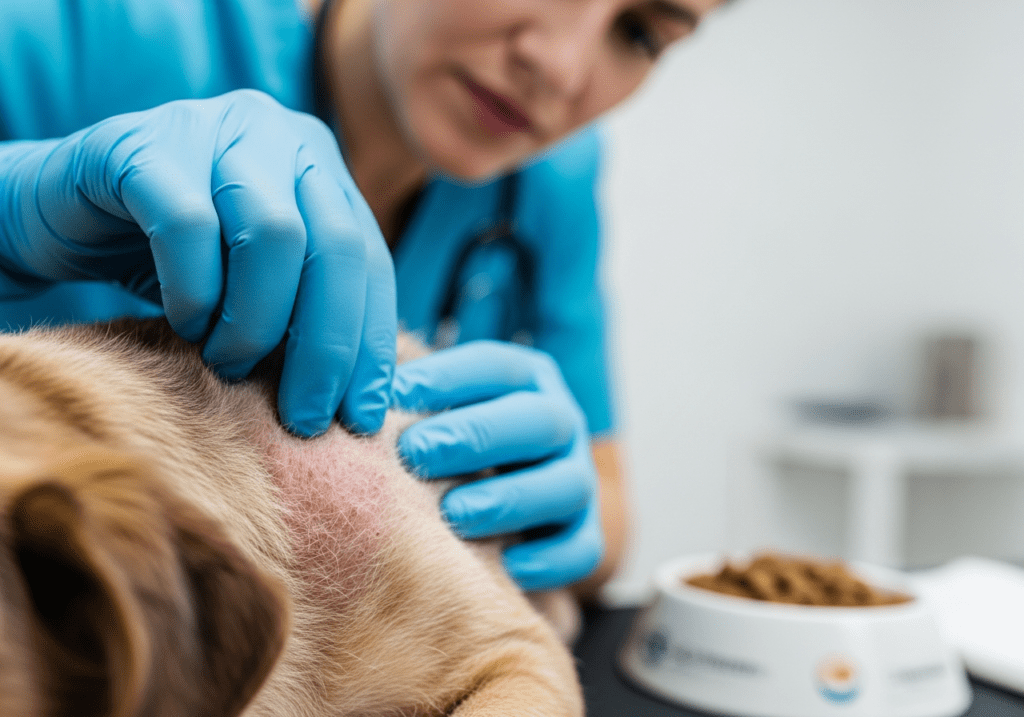
Nutritional dermatopathy is a growing concern among veterinarians in the United States. Addressing nutritional-related dermatopathies presents a dual challenge: diagnosing the condition accurately and implementing appropriate treatment strategies. Owners often seek immediate solutions for their pets’ skin issues, pushing the need for quick yet accurate assessments by veterinary professionals.
Understanding Nutritional Dermatopathies
Nutritional dermatopathy describes skin disorders that arise due to inadequate nutrition or imbalances in essential nutrients. Generally, symptoms manifest as hair loss, itching, or lesions. Identifying the root cause can be complex, especially when pets present with multiple conditions. Positive patient outcomes depend on a thorough dietary history, nutritional assessment, and targeted management plans.
Veterinarians, particularly General Practice Veterinarians and Emergency Veterinarians, must be equipped to handle such cases. For example, an acute presentation of skin lesions might prompt quick treatment but could miss underlying nutritional faults. Therefore, an awareness of how diet influences skin health is vital across veterinary roles.
Clinical Assessment and Diagnostic Challenges
When discussing nutritional dermatopathy, three primary questions arise: What specific nutrients contribute to skin health? How can clinicians identify deficiencies? When should a dietary change be implemented? Answering these questions involves various assessments, including physical examinations and potential allergy tests.
- Dietary History: Gather comprehensive information about the pet’s diet, including type of food, treats, and any supplements.
- Skin Scraping: Conduct tests to rule out parasitic infections, adding depth to the diagnostic process.
- Blood Tests: Evaluate baseline levels of vital nutrients like fatty acids, zinc, and vitamins.
For those in urgent or emergency settings, quick screening tools help distinguish between nutritional issues and medical emergencies. This is crucial because misdiagnosis can lead to inappropriate treatments and owner dissatisfaction.
Common Nutritional Deficiencies Affecting Skin Health
Deficiencies in several key nutrients often relate to dermatological issues:
- Essential Fatty Acids: Omega-3 and omega-6 fatty acids are crucial for skin barrier function. A lack can lead to dry and flaky skin.
- Zinc: Zinc is integral for skin regeneration. Its deficiency can manifest as lesions and hair loss.
- Vitamins: Vitamins A, E, and various B vitamins play substantial roles in skin health. Insufficient levels may cause various skin problems.
Administering a nutritional assessment is essential. Veterinary doctors should collaborate with veterinary internal medicine specialists when complex cases arise, especially in determining the best dietary interventions for various animal types, including mixed and food animals.
Treatment Strategies for Nutritional Dermatopathies
Once a diagnosis is reached, the treatment plan should include:
- Diet Modifications: Introduce premium diets rich in essential fatty acids and necessary vitamins.
- Nutritional Supplements: Depending on the diagnosis, recommend supplements to restore balance in the pet’s diet.
- Ongoing Monitoring: Set regular follow-ups to evaluate improvements in skin condition and adjust dietary plans as necessary.
Furthermore, veterinarians must educate pet owners on the significance of balanced nutrition. A pet’s skin health reflects what they eat. Integrating nutritional counseling as part of routine care can yield better long-term outcomes.
Staying Ahead: Trends in Veterinary Nutrition
As the veterinary field evolves, the focus on nutrition continues to grow. Awareness around pet food quality and its direct impact on skin health helps inform treatment strategies. Pet owners are increasingly seeking guidance on nutrition from their veterinarians, reinforcing the need for clinics to stay updated on dietary trends.
Emergency and urgent care veterinarians might encounter an upsurge in clientele concerned about dietary issues. This highlights the importance of thorough knowledge regarding common ingredients and their impacts. Therefore, continual professional development in veterinary dermatology and nutrition is imperative.
Conclusion
In conclusion, understanding and managing nutritional dermatopathy is essential for veterinary clinics aiming to provide high-quality care. By implementing proper dietary assessments, veterinarians can significantly improve patient outcomes for skin conditions. As the demand for knowledge grows, it’s vital clinics have access to skilled professionals who can bridge knowledge gaps in dietary assessments and dermatologic care. Pulivarthi Group supports veterinary practices in this endeavor by providing access to essential talent across various veterinary roles. By ensuring that clinics have qualified veterinarians, including specialists in internal medicine or dermatology, we contribute to better patient outcomes and overall pet health.