As veterinary practices increasingly seek to provide comprehensive care, the use of canine plasma transfusions in feline patients has emerged as a subject of considerable interest. This innovative approach raises vital questions regarding its safety and efficacy in addressing conditions like feline coagulopathy. Understanding these transfusions is crucial for veterinarians, practice owners, and clinical staff in both general and emergency settings.
Understanding Canine Plasma Transfusions
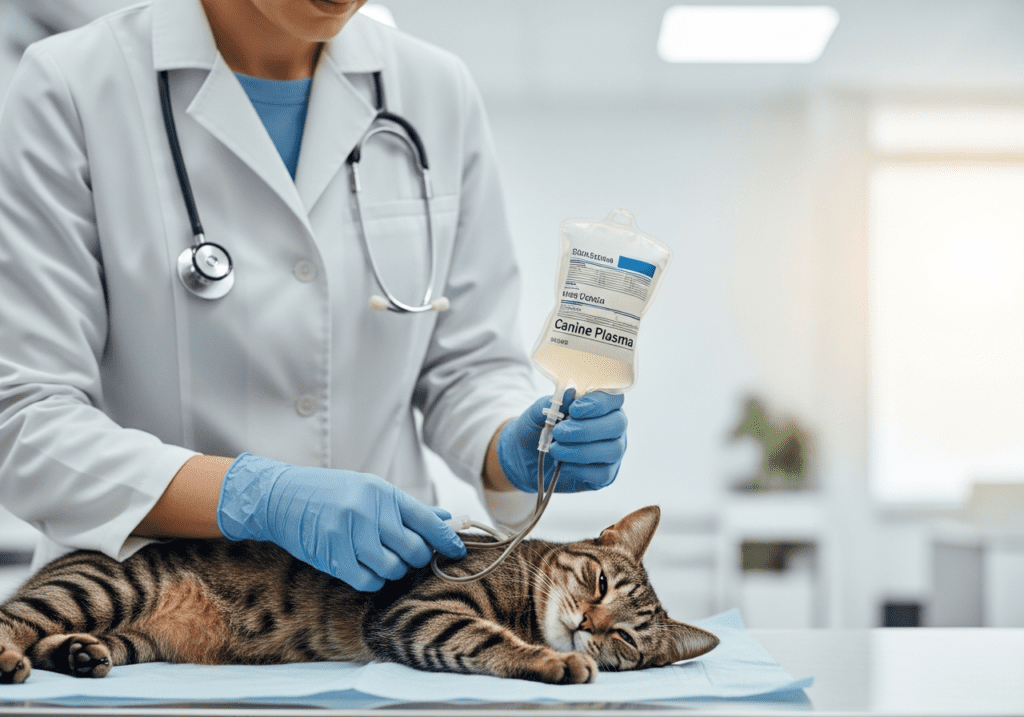
The use of canine plasma as a transfusion option for cats has gained traction in recent years. Canine plasma transfusions can offer valuable therapeutic benefits, especially in cases of coagulopathy, where timely intervention is essential for patient survival and recovery. However, veterinarians must be well-informed about the potential risks and benefits associated with this treatment. Successful transfusions rely on careful consideration of the differences between canine and feline biology.
- Potential Benefits: Canine plasma has higher levels of certain proteins, which can help assist cats with bleeding disorders.
- Safety Concerns: There are potential risks, such as allergic reactions, that clinicians need to monitor closely.
Key Challenges in Clinical Practice
One of the major challenges in utilizing canine plasma is the variability in responses among feline patients. Many veterinarians, including emergency and critical care specialists, report differing outcomes based on factors such as blood type mismatches and pre-existing conditions. Furthermore, mixed animal veterinarians often face unique situations where they must balance the efficacy of treatments against the individual needs of varied species.
Multicenter Insights on Efficacy
A multicenter study involving referral hospitals provides valuable insights into the efficacy of canine plasma transfusions in feline patients. This research has begun to clarify appropriate protocols and the selection criteria necessary for patient eligibility. Such evidence is essential for general practice veterinarians who may be hesitant to adopt this protocol without solid backing.
- What are the short-term outcomes? Studies indicate that many cats experience stabilization after transfusions, but monitoring post-procedure is essential.
- How do we streamline protocols? Establishing clear guidelines helps optimize the delivery of care and improves outcomes for patients.
Operational Efficiency and Training
Veterinary practices must address operational challenges related to the implementation of canine plasma transfusions. Training protocols are essential to ensure that all clinical staff are familiar with the procedure. Urgent care veterinarians and emergency veterinarians, in particular, must be adept at quick assessments and therapeutic interventions.
Conclusion
As canine plasma transfusions for feline patients gain recognition within veterinary medicine, it becomes increasingly important to stay informed about their implications. While there are benefits to utilizing canine plasma, the associated risks necessitate thorough training and careful protocol development within clinics. For practices embarking on this journey, working with a knowledgeable staffing partner like Pulivarthi Group can ease the recruitment of hard-to-find talent across various roles. Whether your need is for an Associate Veterinarian or a Board-Certified Veterinary Internal Medicine Specialist, Pulivarthi Group is poised to assist your clinic in accessing the expertise essential for evolving veterinary care.