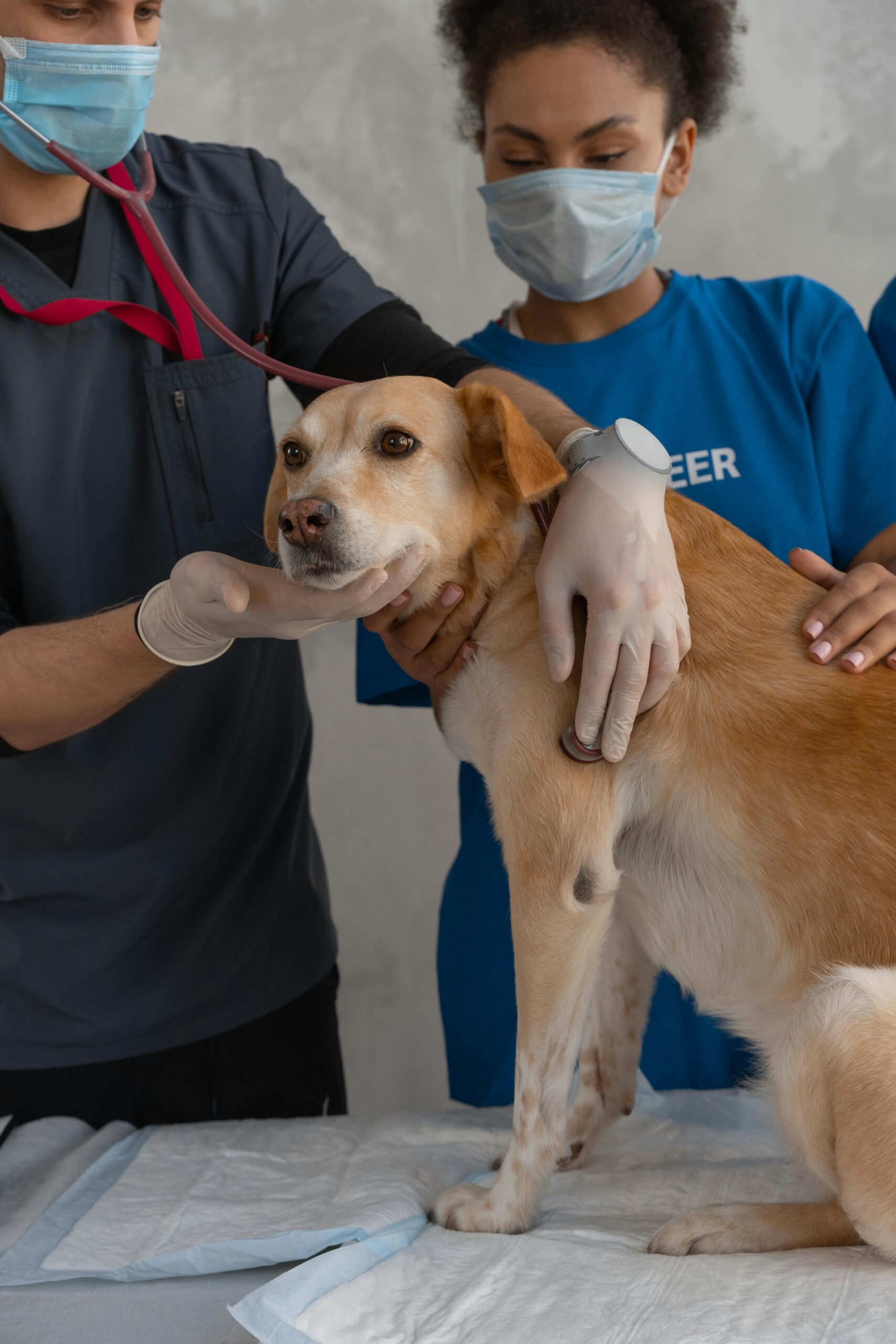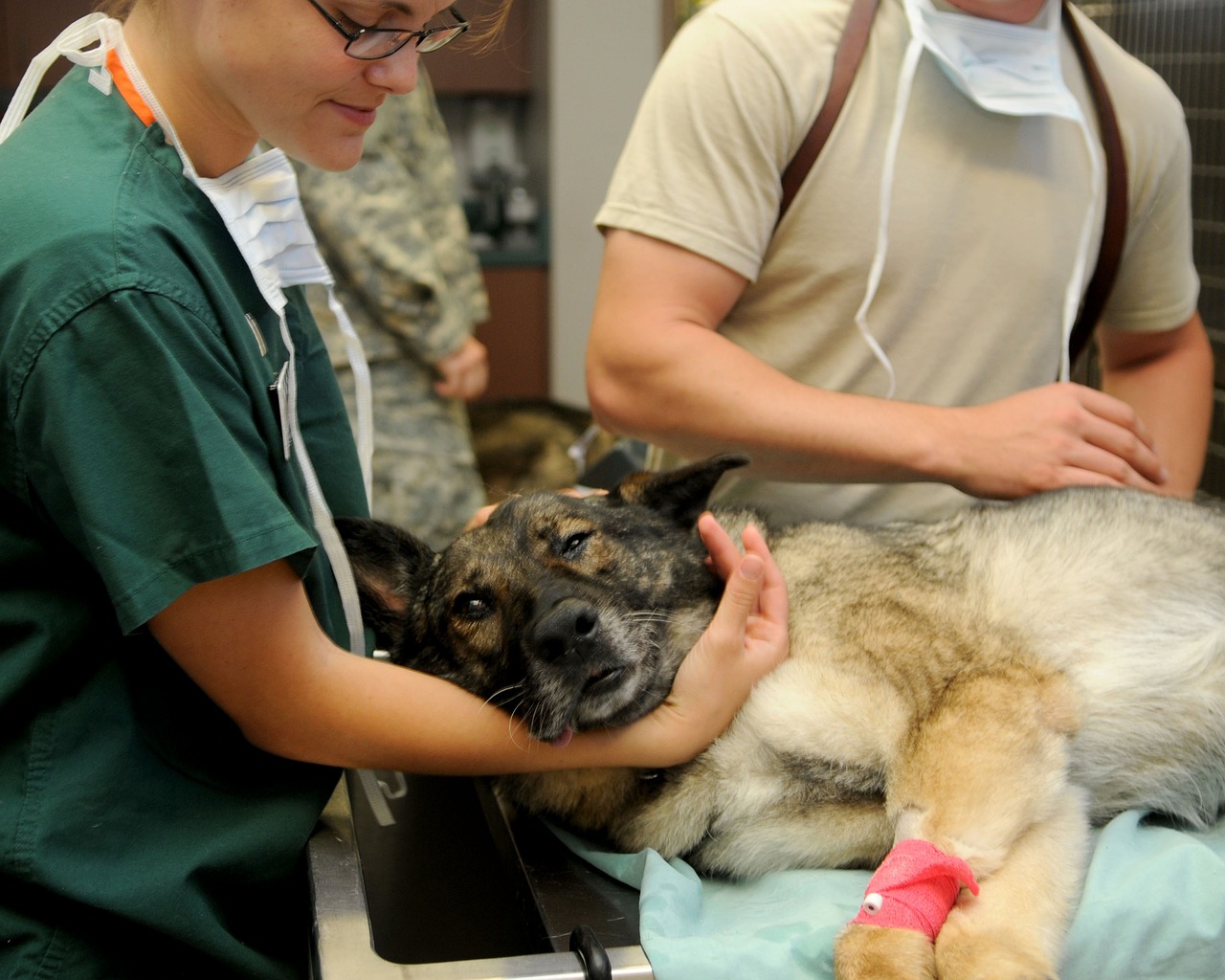
In the evolving landscape of veterinary medicine, platelet transfusions present unique opportunities and challenges for veterinary clinics. This critical intervention can significantly enhance patient care, especially in cases involving thrombocytopenia or other bleeding disorders. However, many veterinarians encounter hurdles, such as limited availability of platelet products and unpredictable efficacy. Understanding these challenges is essential for veterinary professionals committed to providing excellent patient care.
Understanding the Challenges of Platelet Transfusions
One of the key issues faced by veterinary clinics is the limited availability of donor platelets. Because platelet products must be utilized quickly, they are often scarce in emergency or urgent care situations. Furthermore, the high costs associated with these transfusions can strain clinic resources, particularly for smaller general practice establishments. This unpredictability can leave veterinarians questioning the viability of using platelet transfusions in critical situations.
Clinical Implications for Veterinary Professionals
For emergency veterinarians, the ability to administer platelet transfusions can be a matter of life and death. Urgent care clinicians may need to feel equipped in recognizing when these transfusions could be the most effective. They must understand the specific protocols involved and how these differ from general practice settings.
- Assess the urgency of the situation and the patient’s current platelet count.
- Consult guidelines to determine the compatibility of donor and recipient blood types.
- Implement immediate interventions while ensuring proper monitoring of the patient’s response to the transfusion.
Veterinarians specializing in internal medicine or critical care must pay particular attention to the nuances of transfusion therapy. They should be familiar with the latest clinical guidelines for platelet transfusions and stay updated on new research. For example, specialized clinics may have access to platelet-rich plasma, which offers an alternative in certain circumstances.
Best Practices for Platelet Transfusion Protocols
To maximize the success of platelet transfusions, clinics should adopt best practices that enhance operational efficiency:
- Establish a relationship with local blood banks to ensure timely access to necessary products.
- Train clinical staff on handling transfusions, including the recognition of potential complications like transfusion reactions.
- Develop a rigorous documentation process to track the use and outcomes of platelet transfusions.
Additionally, the role of veterinary technicians is crucial during the transfusion process. Their expertise in monitoring patients can lead to better outcomes and increased trust from pet owners. Effective communication among team members is vital in ensuring these protocols are followed diligently.
Looking Forward: Trends in Platelet Transfusion Practices
Globally, the trend towards improved transfusion protocols is gaining traction. New guidelines are being developed to address the issues of platelet availability and storage. As veterinary clinics further embrace technology, the potential for better tracking and effective use of platelet products strengthens. This shift is particularly important as it aligns with broader trends in healthcare, such as evidence-based practices and personalized medicine.
Veterinarians, from general practitioners to specialists, must adapt to these evolving practices. They should continually assess their transfusion protocols and consider how advances in veterinary medicine might influence their operations. Furthermore, involvement in professional communities can provide access to resources and support systems invaluable for navigating these complexities.
Conclusion
In conclusion, platelet transfusions represent a vital part of veterinary medicine, offering significant benefits for patient care. However, veterinary clinics must address the challenges associated with their availability and efficacy. By staying informed and adopting best practices, veterinarians can enhance their clinical outcomes significantly.
The Pulivarthi Group is here to support veterinary clinics in overcoming staffing challenges, ensuring access to skilled professionals across various roles, including Associate Veterinarians, Emergency Veterinarians, and Board-Certified Veterinary Internal Medicine Specialists (DACVIM). Connect with us to find dedicated talent that aligns with your clinic’s needs and enhances your practice’s capability to provide outstanding patient care.