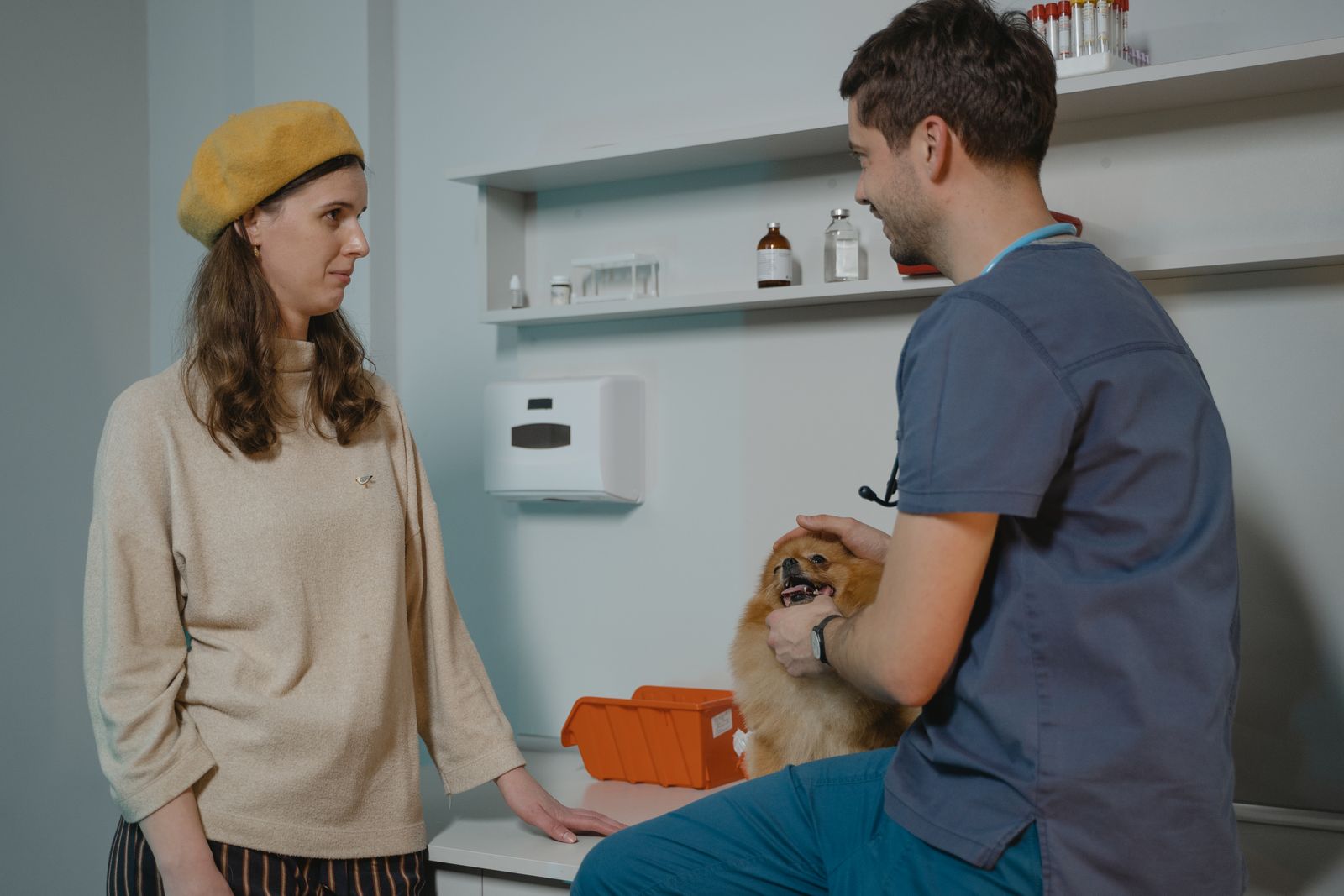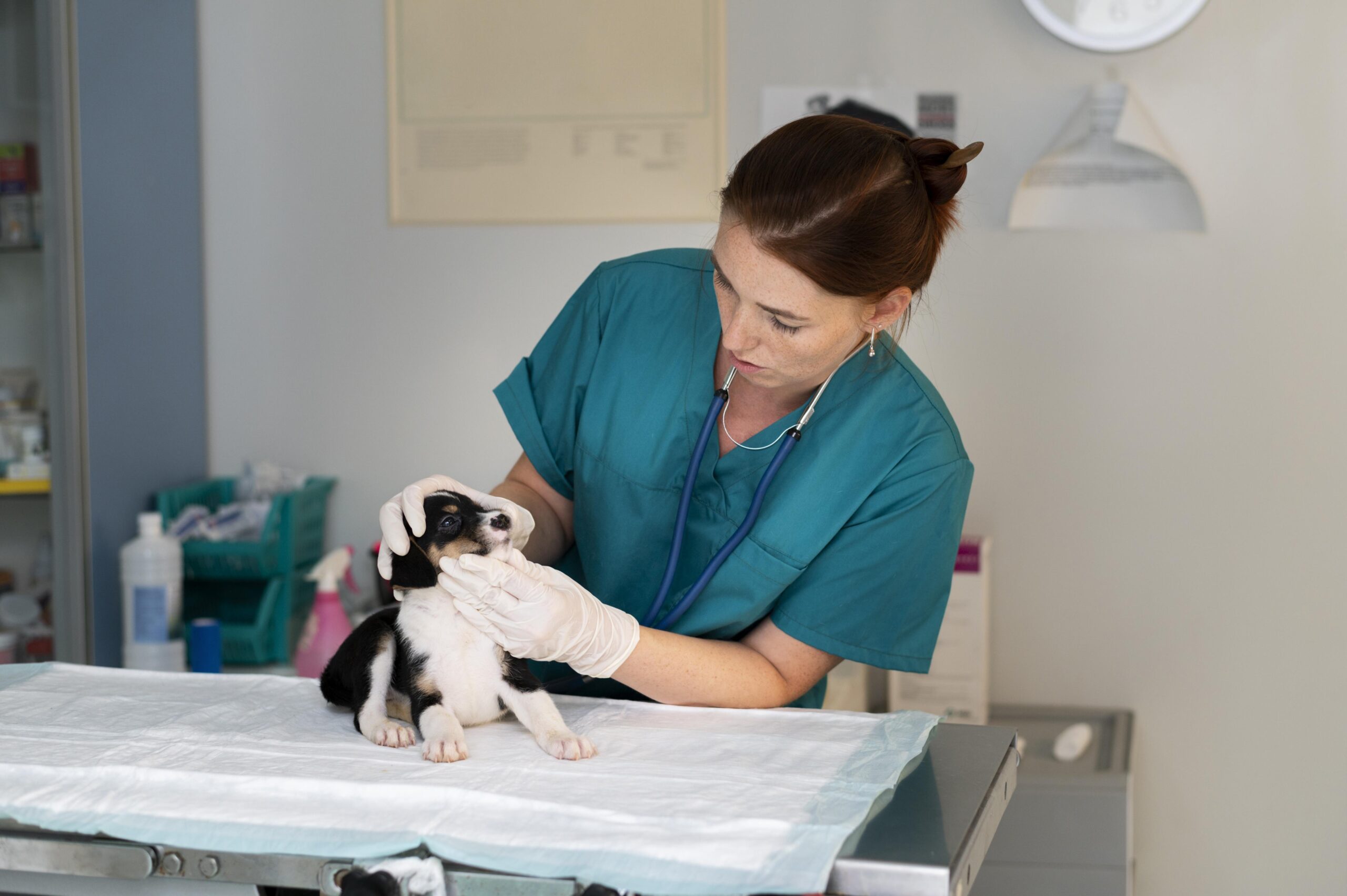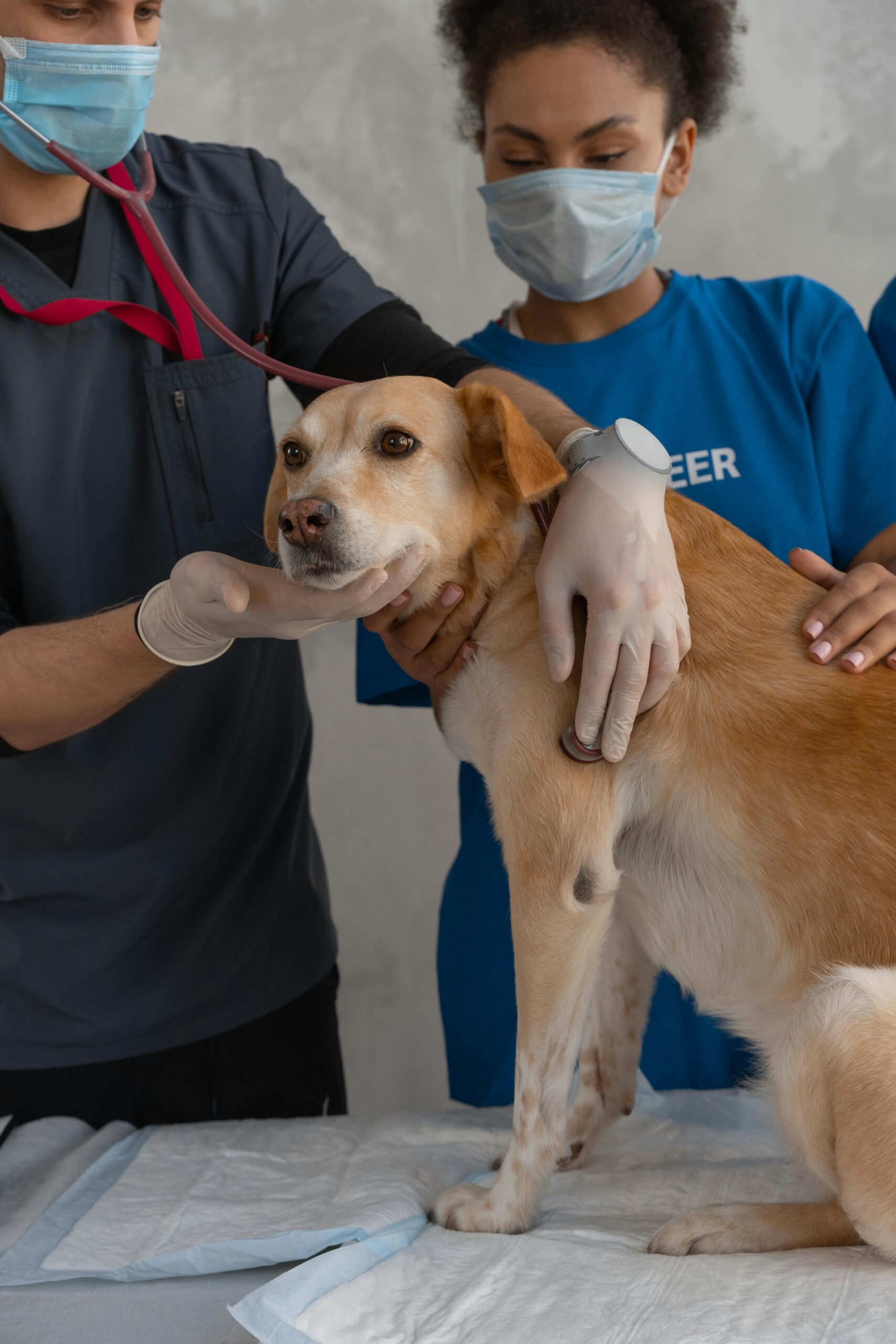
The veterinary industry faces numerous challenges that impact clinical practice and patient care. In 2023, some of the most pressing veterinary challenges include vaccine hesitancy, evolving distribution models, student loan relief, and rising consumer price sensitivity. Understanding these veterinary industry trends is crucial for practitioners, including associate veterinarians, general practice veterinarians, and specialists, to navigate the complexities of today’s healthcare environment.
Understanding Vaccine Hesitancy
Vaccine hesitancy poses a significant threat to public health, impacting both human and animal populations. Recent studies indicate a decline in routine vaccinations for pets. General practice veterinarians must address owner concerns and misconceptions about vaccines. Engaging pet owners with transparent communication can help increase compliance. By discussing the benefits and risks of vaccinations, clinics can build trust and promote adherence.
Shifts in Distribution Channels
Mergers in veterinary distribution have created a more concentrated marketplace. As a result, clinics must navigate new relationships with suppliers and adjust to changing pricing structures. Practice owners and managers should evaluate their purchasing agreements regularly. This ensures that they remain competitive while enhancing operational efficiency. Effective supply chain management allows clinics to better manage inventory and minimize costs.
Financial Realities and the Impact of Student Loans
Veterinary students typically graduate with substantial debt. This financial burden influences career choices and specialty interest. Associate veterinarians may favor positions with loan repayment options, emphasizing the need for clinics to offer competitive benefits. Additionally, critical care veterinarians often face particularly high-stress environments that can exacerbate financial pressures. Addressing student loan relief programs in your clinic can attract top talent.
Consumer Price Sensitivity in Veterinary Care
Increasing consumer price sensitivity affects how clinics set prices and offer services. Many pet owners may delay or forgo care due to financial constraints. Thus, veterinarians need to develop flexible payment options and transparent pricing structures. Offering tiered services can help accommodate varying financial situations. Furthermore, educating clients on the value of preventive care can encourage investment in their pets’ health.
Trends in Veterinary Education
The veterinary education market continues to expand, producing a growing number of graduates each year. While this influx provides clinics with a broader talent pool, it also intensifies competition for available positions. Mixed animal veterinarians and food animal veterinarians, in particular, may find opportunities in underserved areas. Improving mentorship programs within clinics can enhance the integration of new graduates into clinical teams.
Integrating AI in Veterinary Practice
Artificial intelligence (AI) is revolutionizing veterinary practice. Tools are emerging to assist with diagnostics, treatment planning, and client communication. Urgent care veterinarians can benefit from AI-driven systems that streamline patient data processing and improve decision-making. Additionally, AI can enhance operational efficiency across all aspects of a clinic, allowing staff to focus more on patient care.
As we explore these veterinary industry trends and challenges, it becomes clear that proactive engagement is necessary. Leaders in veterinary practice—including emergency veterinarians and community medicine veterinarians—must stay informed and adjust to these realities. By remaining adaptable and open to innovation, veterinary clinics can thrive amid ongoing changes.
Conclusion
As the veterinary industry evolves, understanding key challenges is essential for success. Issues like vaccine hesitancy and changes in distribution require attention from all professionals within the field. At Pulivarthi Group, we understand the complexities of staffing in veterinary clinics. We help you access hard-to-find talent, from associate veterinarians to board-certified veterinary internal medicine specialists (DACVIM). Our commitment is to support your clinic in navigating these challenges effectively.