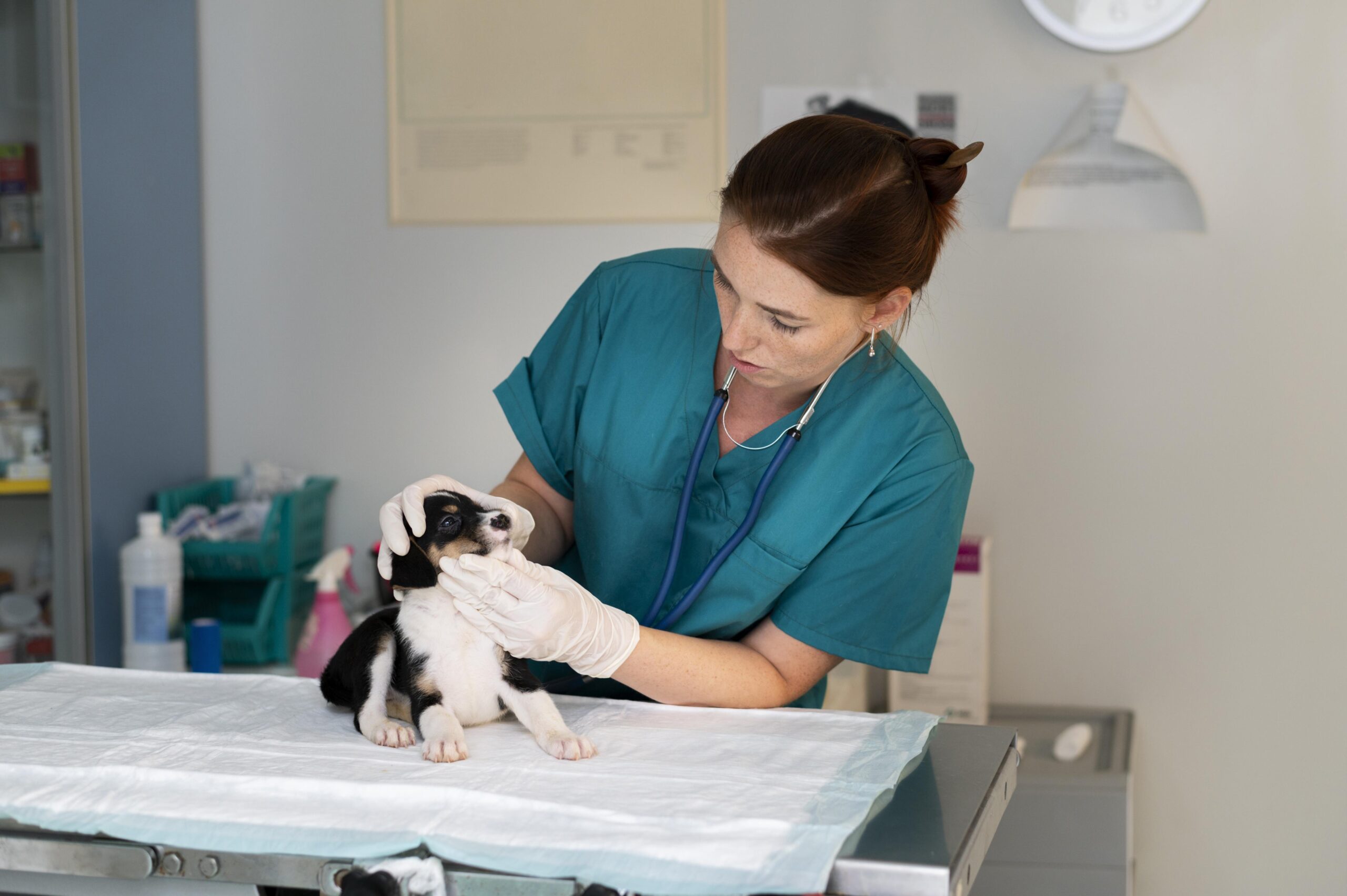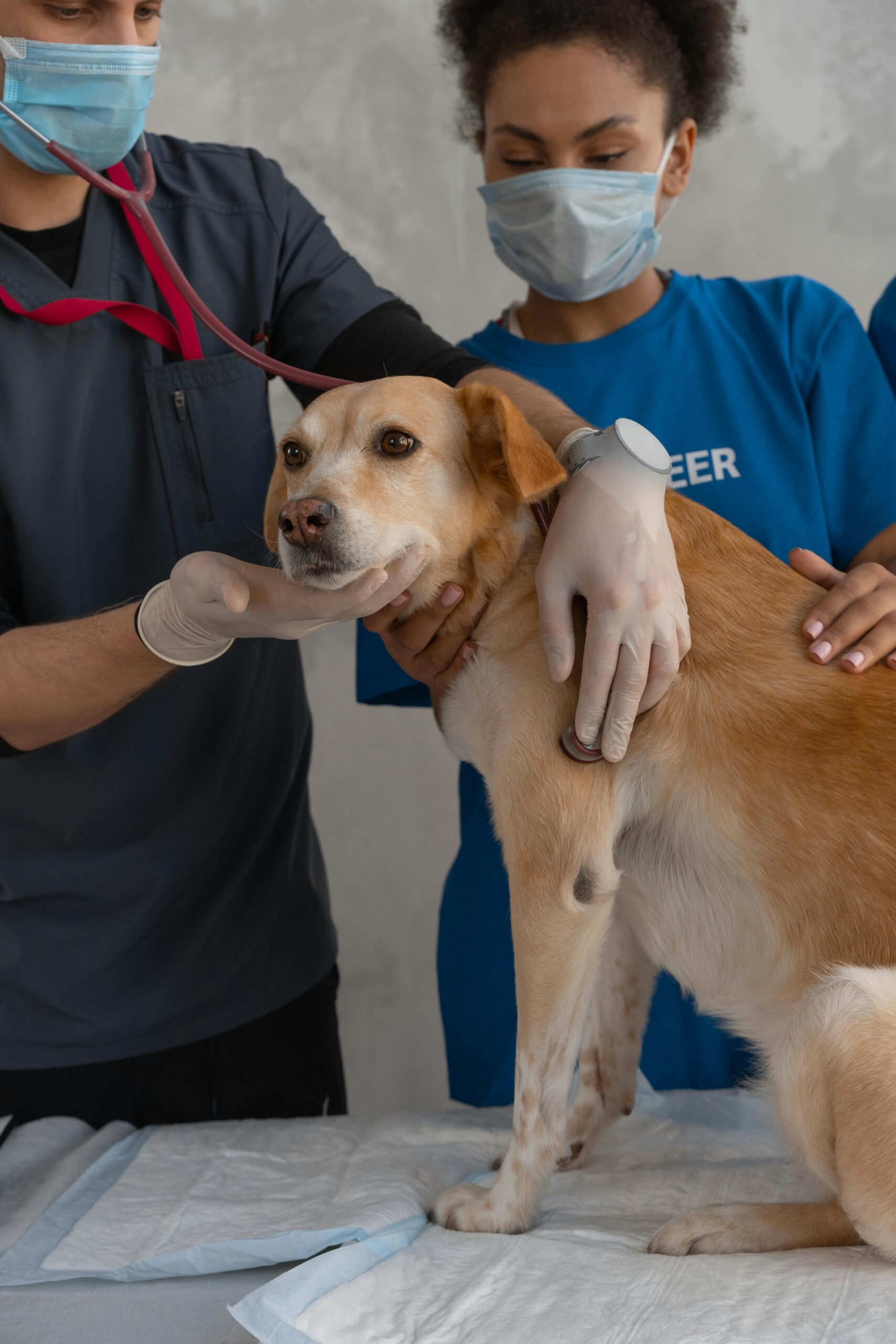
Wyoming is currently grappling with a significant veterinary shortage, particularly among food animal veterinarians. This crisis affects not just cattle management, but also the overall health of rural communities reliant on agricultural practices. The decline in this specialized veterinary workforce poses a substantial challenge to veterinary clinics and the clinical staff that strive to deliver quality care.
The Scope of the Veterinary Shortage
As rural areas face a stark decline in food animal veterinarians, the repercussions are severe. Wyoming’s expansive landscapes and agricultural focus require a robust veterinary presence. Unfortunately, many practices are struggling to attract and retain qualified veterinarians. This shortage stems from various factors, including the increasing burdens of student debt, limited mentorship opportunities in rural locations, and the appeal of urban job markets.
Moreover, the need for specialized care is rising. For instance, the demand for care in cattle, sheep, and other livestock has surged. However, as the number of food animal veterinarians dwindles, the remaining practitioners often become overwhelmed. As a result, they cannot meet the needs of agricultural clients effectively.
Challenges Facing Veterinary Clinics
Veterinary clinics in rural settings are facing several challenges due to the shortage of food animal veterinarians. One of the primary difficulties is providing timely and adequate care. Without enough veterinarians, response times increase, which can endanger the health of animals and impact agricultural productivity.
- Decreased access to preventive care services.
- Pressure on emergency services to handle routine cases.
- Potential deterioration of animal welfare due to inadequate medical attention.
The operational efficiency of veterinary facilities is also at stake. Urgent care veterinarians and emergency veterinarians are often stretched thin, leading to burnout among staff. This can result in lower morale and higher turnover rates, further exacerbating the shortfall of available practitioners.
Implications for Veterinary Practice Owners and Managers
For practice owners and managers, the implications of the veterinary shortage are profound. They must navigate the complexities of recruiting and retaining talent amidst a competitive landscape. Innovative staffing solutions are essential to bridge these gaps. For example, offering flexible work hours can attract younger veterinarians seeking a better work-life balance.
Strengthening community ties is equally crucial. By collaborating with local agricultural stakeholders, clinics can demonstrate their value and importance. Engaging in educational initiatives helps cultivate interest in food animal medicine, encouraging new graduates to consider careers in rural environments.
The Way Forward
Addressing the veterinary shortage in Wyoming requires a multifaceted approach. Policymakers must recognize the pressing needs of rural veterinary services. Support for veterinary education, especially in food animal care, is critical. Programs that alleviate student debt and provide incentives for rural practice can attract new talent.
Furthermore, existing veterinarians should consider mentorship roles. Establishing networks for new graduates can enhance training and foster a supportive environment, helping them transition into practice seamlessly.
Conclusion
The dwindling number of food animal veterinarians in Wyoming represents a critical issue for rural veterinary practice. The implications extend beyond veterinary clinics, affecting local agriculture and animal welfare. The Pulivarthi Group is committed to addressing these workforce challenges. By connecting clinics with hard-to-find talent across various veterinary roles, we facilitate a stronger future for rural veterinary medicine. Together, we can ensure the health of animals and the agricultural communities they serve.