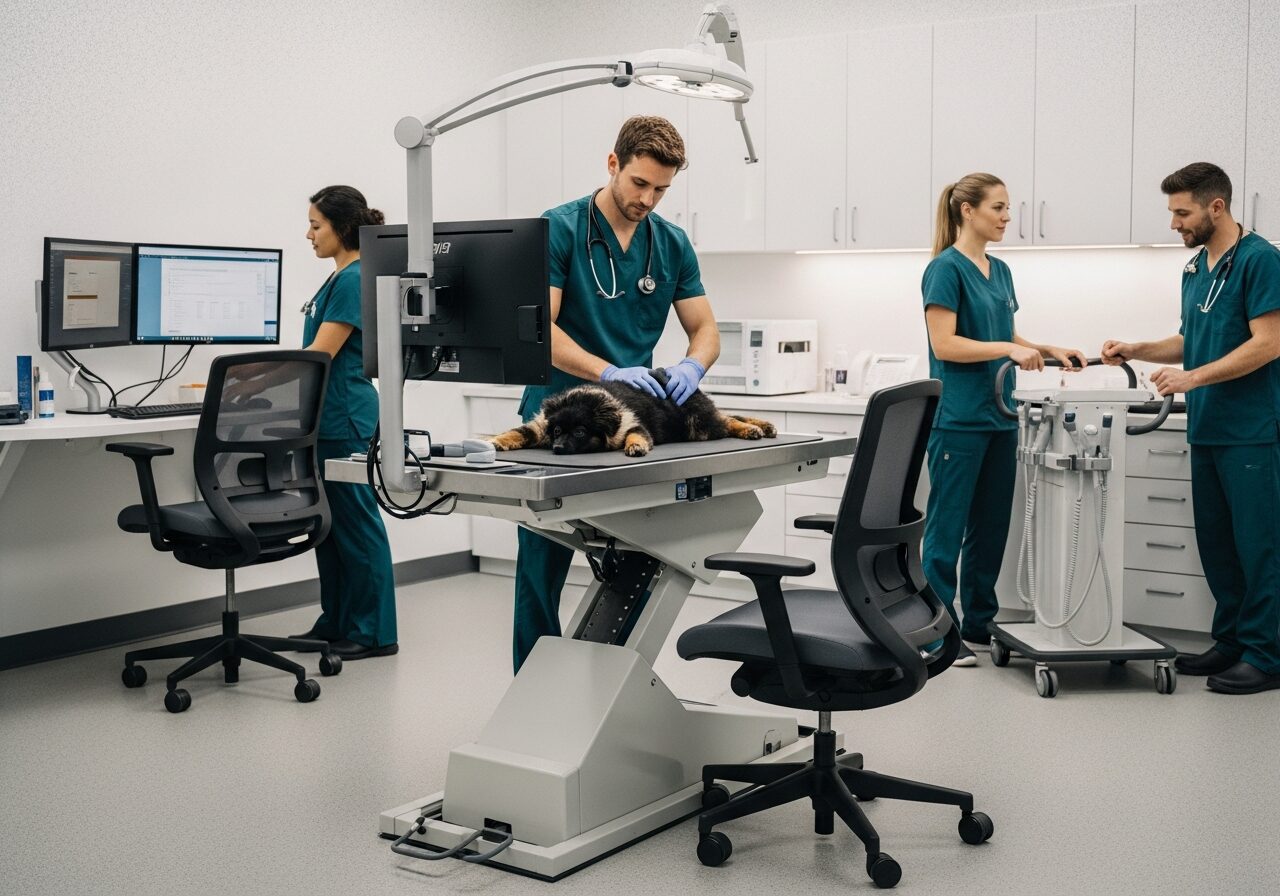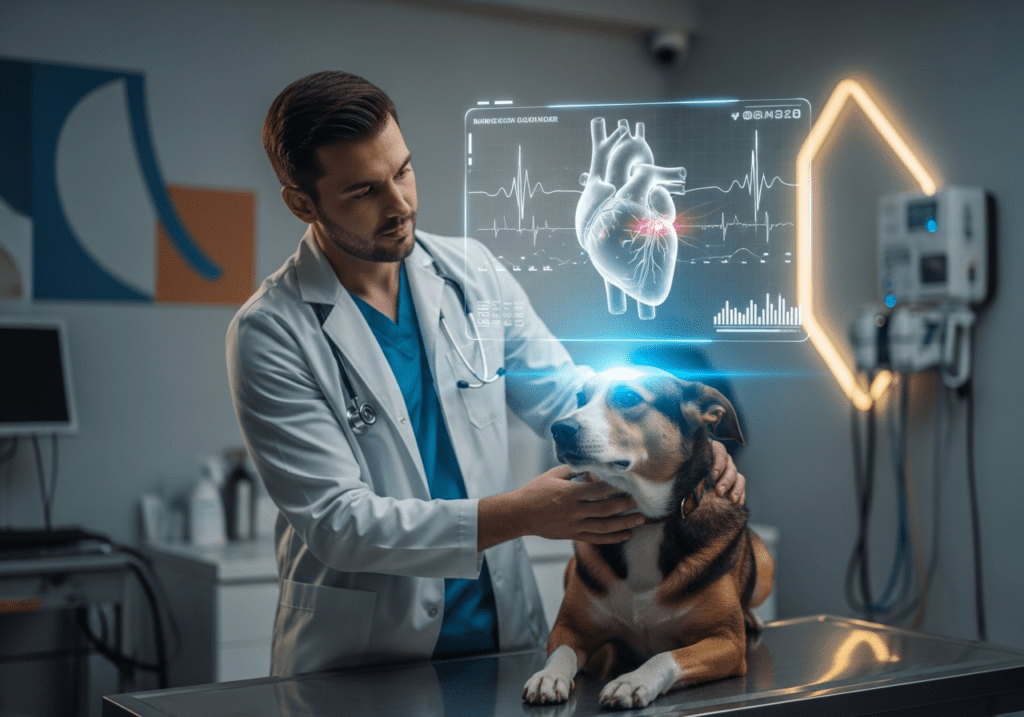
In the rapidly evolving field of veterinary medicine, integrating AI veterinary solutions presents opportunities to improve patient care significantly. One area where technology, particularly AI, can make a crucial impact is in the early detection of heart murmurs in pets. Delayed diagnoses can lead to severe health issues, so leveraging AI in clinical settings is essential for veterinarians and their teams.
The Challenge of Late Detection of Heart Murmurs
Heart murmurs often go unnoticed during routine veterinary examinations. Many pets do not show overt symptoms until serious damage has occurred. This is especially critical for Associate Veterinarians and General Practice Veterinarians who manage preventive care. Furthermore, late detection can burden Urgent Care and Emergency Veterinarians with more acute cases that could have been avoidable.
Veterinarians face challenges such as:
- Your ability to detect subtle variations in heart sounds.
- Increasing patient loads in busy clinics.
- Limited time for thorough examinations due to operational demands.
How AI Technology Can Help
AI leverages advanced algorithms to analyze heart sounds, making it easier for veterinarians to detect murmurs early. For example, AI systems can provide real-time feedback during examinations, helping Critical Care Veterinarians make immediate decisions regarding a patient’s needs. These systems can also enhance ongoing monitoring for Mixed Animal and Food Animal Veterinarians, particularly in rural settings where resources may be limited.
With AI, clinics can:
- Increase diagnostic accuracy through automated sound analysis.
- Reduce the time spent on patient diagnostics.
- Enhance compliance with treatment plans through early and accurate detection.
Implementing AI in Clinical Practice
As AI veterinary tools become more accessible, incorporating them into practice raises questions about workflows and staff training. Shelter Veterinarians may need to focus on budget-friendly AI solutions, while Veterinary Internal Medicine Specialists may inquire how AI tools complement their expertise.
Successful implementation requires:
- Training staff to use AI tools effectively.
- Integrating AI into existing processes without disrupting the workflow.
- Continuously evaluating AI performance and outcomes.
Industry Trends in AI Adoption
Globally, the veterinary industry is slowly embracing AI technology. A growing number of clinics view AI not as a replacement for skilled veterinarians, but as a crucial support tool. This trend is especially relevant for Board-Certified Veterinary Internal Medicine Specialists (DACVIM) who can leverage AI insights to make precise diagnostic decisions.
The growing reliance on data and technology aligns with worldwide health trends. As veterinarians seek to improve pet health outcomes, they must consider the implications of harnessing AI. This is critical considering the increasing complexity in animal care and the demand for improved clinical efficiencies.
Conclusion
In summary, integrating AI veterinary solutions into clinics offers promising improvements in the early detection of heart murmurs. As veterinarians navigate the challenges of clinical practice, AI can significantly enhance patient care, thereby improving health outcomes for pets.
The Pulivarthi Group stands ready to assist veterinary clinics in finding the exceptional talent necessary to embrace these advanced technologies. Our staffing solutions connect practices with skilled veterinarians across various roles, including Associate Veterinarians, Emergency Veterinarians, Shelter Veterinarians, and Veterinary Internal Medicine Specialists. By partnering with us, veterinary clinics can access the specialized skills needed to implement AI solutions effectively and provide the best care possible for their patients.