As veterinarians encounter an increasing variety of skin disorders in reptiles, advancements in reptile dermatology have become crucial. These developments not only enhance care but also improve outcomes for both patients and their owners. Understanding the latest practices in reptile dermatology is essential for veterinarians, particularly those in specialties such as general practice, urgent care, and emergency medicine.
Understanding Reptile Skin Disorders
Reptiles, by their nature, possess unique physiological traits. Consequently, skin disorders can manifest differently than they do in other species. Common conditions include dermatitis, scale problems, and infections, which can arise from environmental factors, improper husbandry, or underlying metabolic diseases. For instance, shell rot in turtles and shedding issues in snakes are prevalent concerns that require attention from veterinary staff.
The symptoms of these skin disorders can include redness, swelling, scaling, or even lesions. Recognizing these signs early is vital. Urgent care veterinarians often see cases where owners wait too long to seek help, leading to worsening conditions that may require extensive treatment.
Recent Advances in Diagnostic Techniques
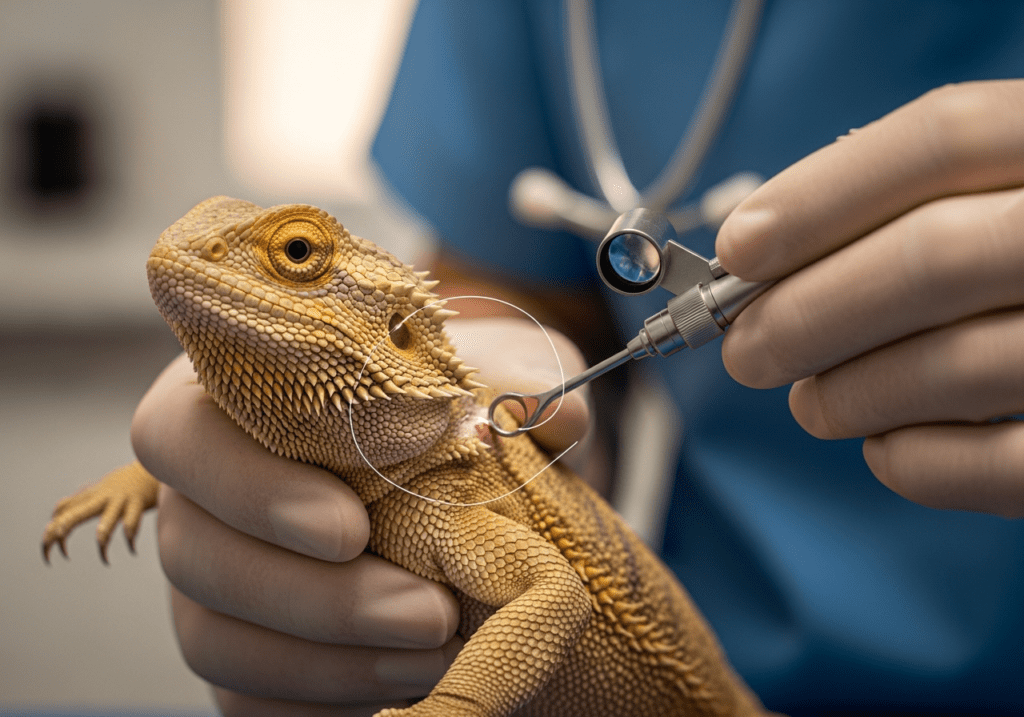
Recently, innovations in diagnostic tools have improved how veterinarians approach reptile dermatology. Technologies such as high-resolution ultrasound and dermoscopy allow for non-invasive examinations of skin lesions. These advancements enable clinicians to assess the condition of scales and skin without invasive procedures.
In addition, laboratory techniques, including skin scrapings and culture tests, have become more refined. These methods provide accurate diagnoses, which are essential for developing effective treatments. For example, differentiating between a skin infection and a metabolic issue can dramatically change the therapeutic approach.
Modern Treatment Approaches
Various treatment modalities are now available for managing skin disorders in reptiles. Antimicrobial therapies tailored specifically for reptiles have been introduced. In addition, the use of topical treatments combined with systemic medications is becoming standard practice. Veterinarians must stay updated on the latest pharmacology to ensure they are administering the best care possible.
Furthermore, environmental adjustments often play a crucial role in treatment success. This may involve temperature regulation, UV lighting, and humidity control, which are fundamental to reptile health. For veterinary practices, particularly those focused on general practice or shelter work, educating pet owners on these factors can improve treatment outcomes.
Addressing the Workforce Challenge
As advances in reptile dermatology evolve, so does the need for trained personnel. Many veterinary clinics struggle with staffing, especially when it comes to specialists in reptile care. Emergency and critical care veterinarians are often in high demand as they manage complicated cases arising from dermatological issues.
Clinic owners and managers should consider implementing continuous education programs. Equipping staff with knowledge of recent developments in reptile dermatology will enhance patient care and operational efficiency. Furthermore, building a strong network among professionals can facilitate consultations, aiding in complex cases.
Conclusion
In conclusion, advancements in reptile dermatology offer promising solutions to longstanding challenges associated with skin disorders. The integration of novel diagnostic and treatment methodologies presents an opportunity for veterinary clinics to elevate their care standards. Pulivarthi Group aims to support clinics in this dynamic environment by connecting them with skilled professionals across various roles, including urgent care veterinarians and veterinary internal medicine specialists. By fostering a network of expertise, we help ensure that veterinary practices can effectively address the evolving needs in reptile health care.