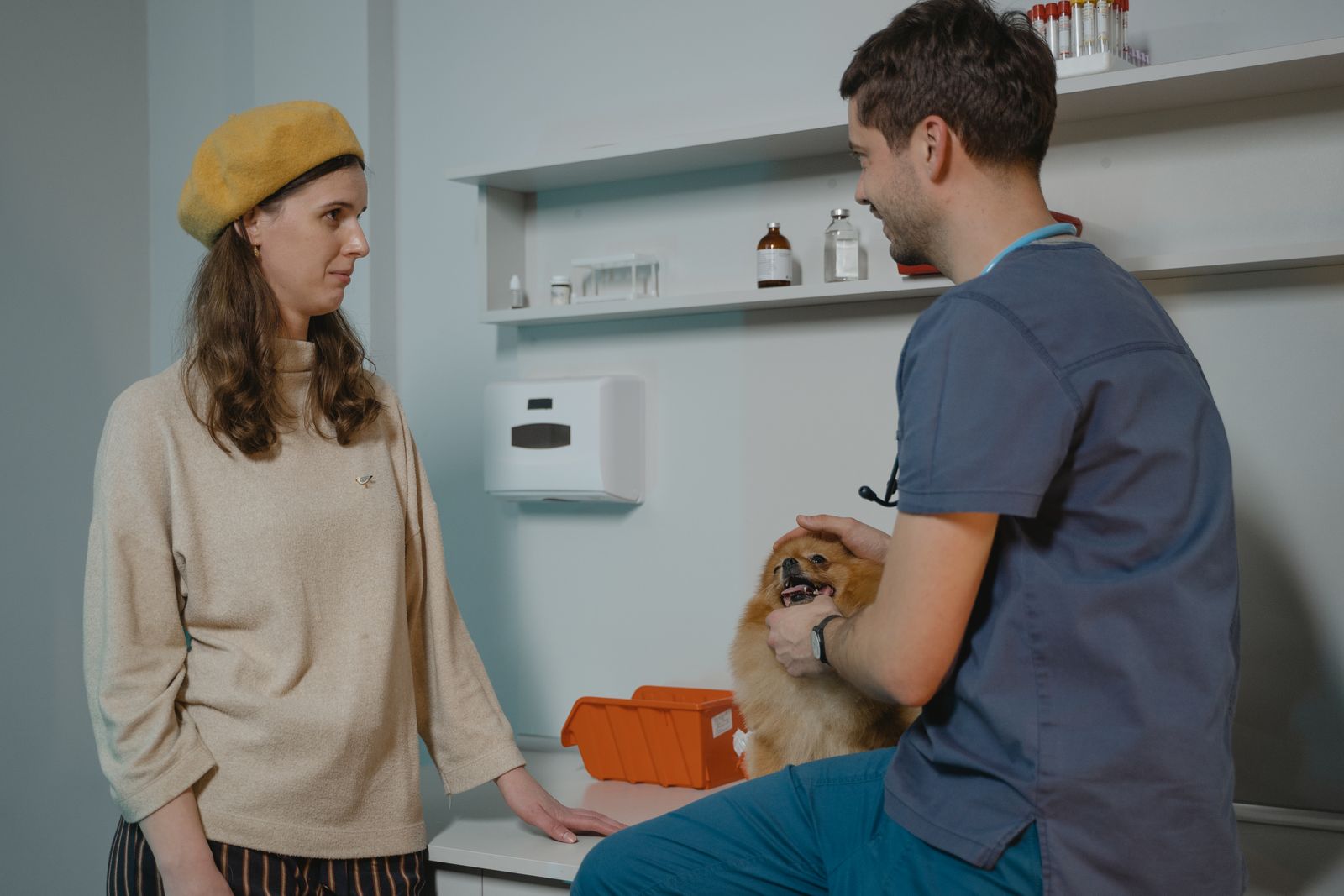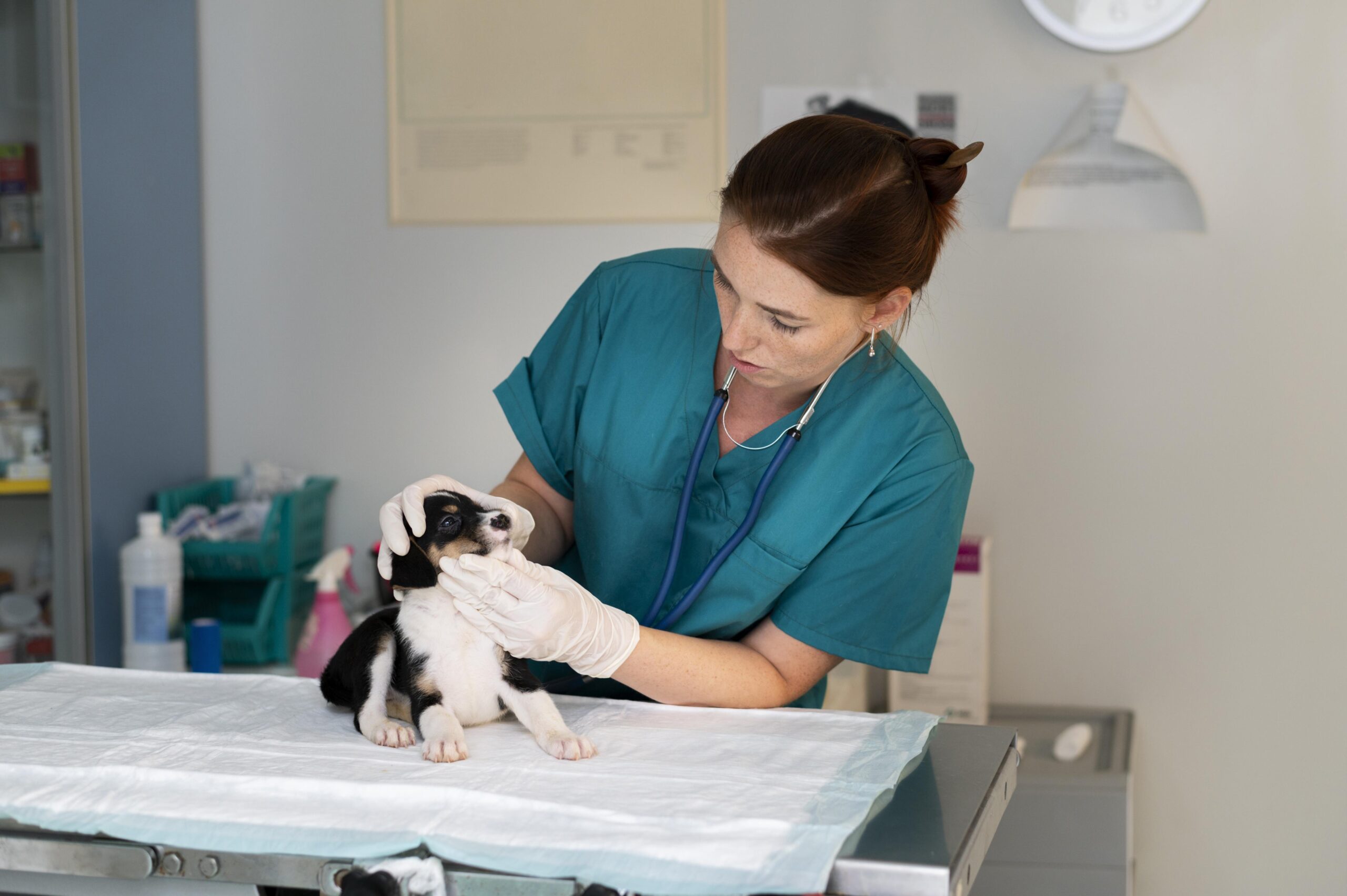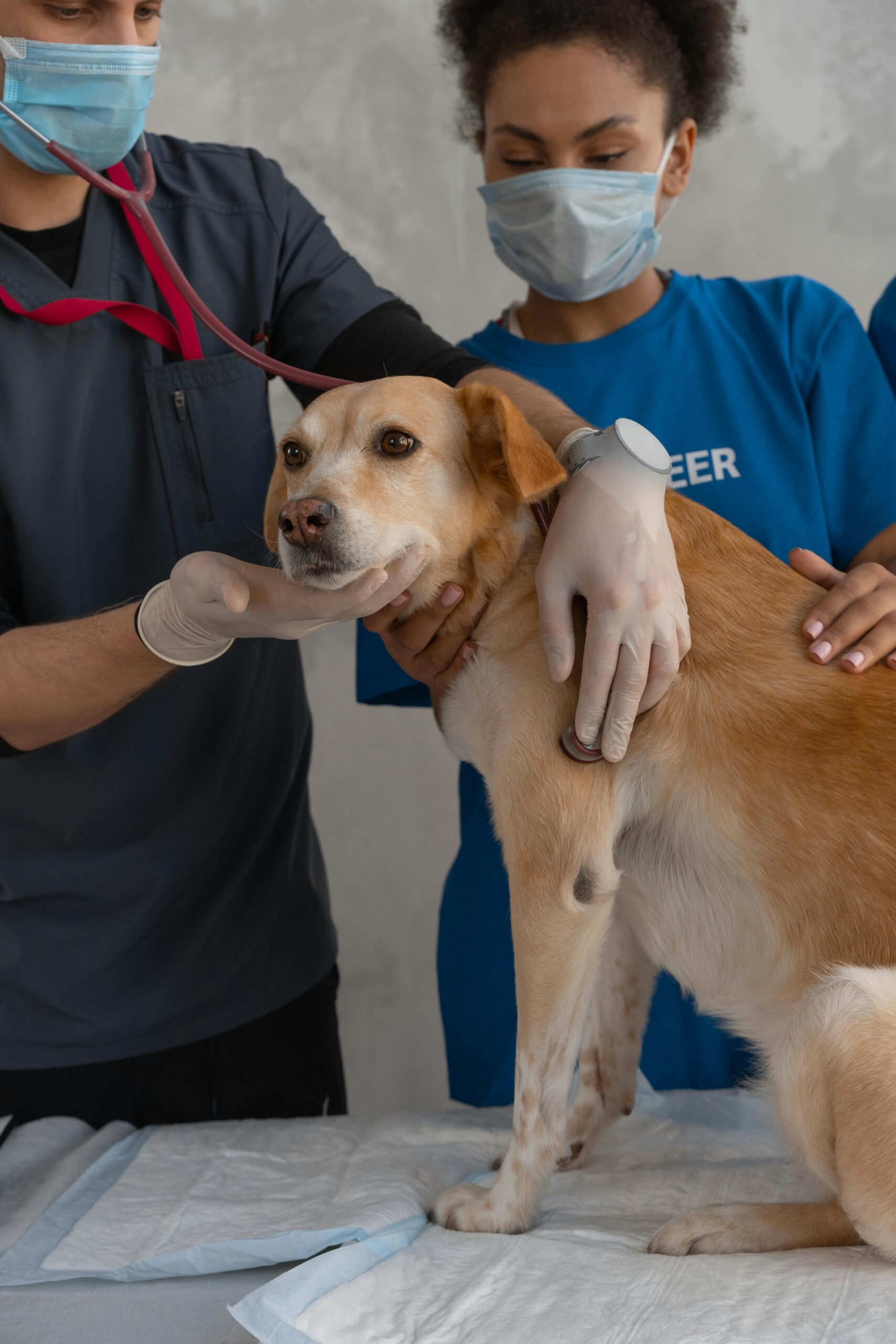
Advancements in veterinary medicine are at the forefront of improving animal healthcare. As veterinary clinics navigate constantly evolving challenges, understanding these advancements becomes essential for optimal patient care. This blog discusses the latest trends in veterinary medicine, focusing on transformative practices and breakthroughs poised to shape the industry.
Current Trends in Veterinary Advancements
With the rapid pace of innovation in veterinary technology, clinics can enhance diagnosis and treatment methodologies. For instance, telemedicine is revolutionizing client interactions. This allows veterinarians, including general practice and emergency veterinarians, to offer consultations remotely, improving accessibility to care. Furthermore, digital medical records streamline operations, enabling teams to focus more on patient care rather than paperwork.
Moreover, advancements in imaging technology are significant. High-definition ultrasounds and MRI scans now provide better diagnostic capabilities. This is vital for critical care veterinarians and those specializing in internal medicine. Their ability to diagnose complex conditions efficiently influences treatment outcomes dramatically.
Addressing Key Challenges
Despite notable advancements, veterinary clinics face numerous challenges. One of the most pressing issues is maintaining quality care amid staff shortages. Many clinics struggle to find qualified professionals, including urgent care and food animal veterinarians. This gap in the workforce affects patients’ health and the overall operational efficiency of practices.
- Staff retention remains a key issue, particularly in high-stress environments like emergency veterinary care.
- Training opportunities for existing staff can help mitigate this challenge by improving engagement and expertise.
- Investing in mental health resources supports veterinarians and clinical staff, improving job satisfaction.
Future Innovations Shaping Veterinary Medicine
Moving forward, several emerging technologies are anticipated to redefine veterinary practices globally. Artificial Intelligence (AI) and machine learning algorithms can assist veterinarians in diagnosing diseases and predicting outcomes more accurately. For instance, AI-enabled tools can enhance the capabilities of shelter veterinarians and mixed animal practitioners by analyzing vast amounts of data to inform treatment plans.
In addition to technology, concepts like personalized medicine are gaining traction. This approach tailors treatment plans based on an individual animal’s genetics and health history. Such innovations are particularly impactful for clinical specialists, including board-certified veterinary internal medicine specialists, who manage chronic diseases with complex therapeutic needs.
The Importance of Collaboration in Expanding Care
Collaboration among veterinary professionals plays a crucial role in leveraging advancements. General practice veterinarians can refer cases to specialists, ensuring that pets receive the best possible care based on current innovations. Moreover, community medicine veterinarians can utilize recent advancements to address public health concerns effectively.
Cultivating partnerships with educational institutions can also enhance workforce development. By integrating new educational programs focused on advanced veterinary technologies, we can inspire the next generation of veterinarians. This approach boosts recruitment and training for emerging roles in the field.
Conclusion
As we look toward the future, the veterinary profession stands on the brink of significant change. By embracing advancements, addressing workforce challenges, and fostering collaboration, veterinary clinics can enhance animal healthcare outcomes. The Pulivarthi Group recognizes the importance of these shifts. We specialize in connecting clinics with hard-to-find talent across various veterinary roles, ensuring that practices maintain the highest standards of patient care. Together, we can navigate this evolving landscape, driving innovation and improving outcomes for animals globally.