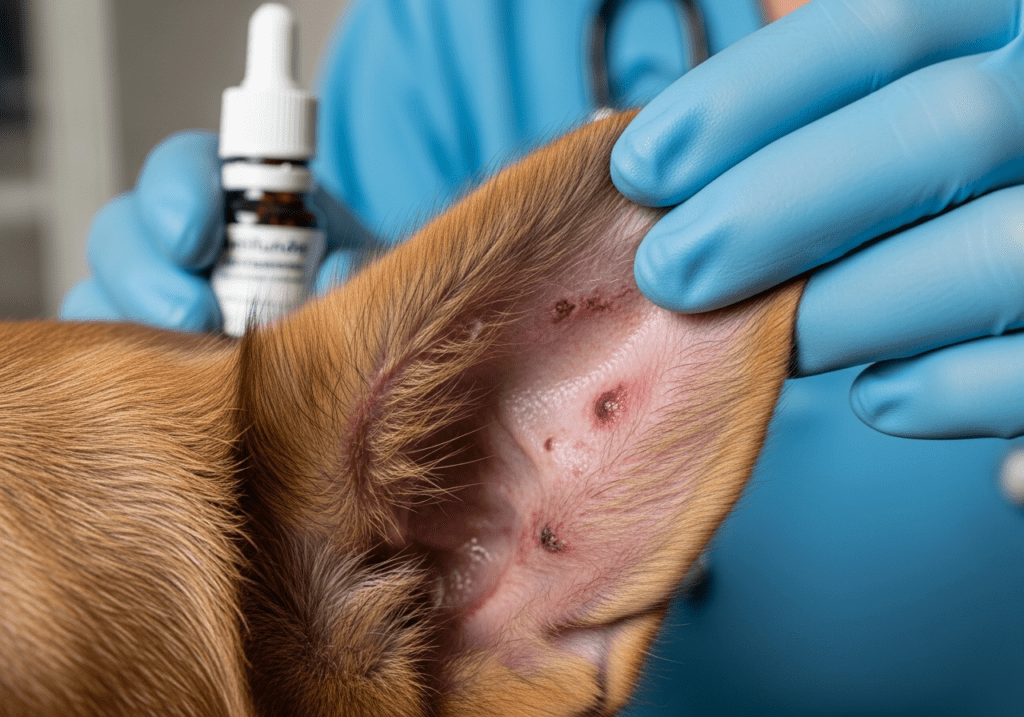
In the evolving landscape of veterinary medicine, understanding miconazole resistance in yeast ear infections presents significant challenges for veterinary clinics. Many vets encounter this resistance when treating common ear infections in dogs and cats. This issue is becoming increasingly urgent, as traditional treatments become less effective, leading to frustration for both veterinarians and pet owners.
Understanding Miconazole Resistance
Miconazole resistance refers to the ability of yeast organisms, such as Malassezia, to survive treatment that would have previously been effective. This resistance complicates clinical practice. For general practice veterinarians and urgent care veterinarians, recognizing the signs of this resistance is crucial. They must frequently reassess treatment protocols to ensure they are utilizing the most effective antifungal options available in North America.
- What factors contribute to miconazole resistance in yeast?
- How can veterinarians identify resistant infections in patients?
- When should alternative treatments be considered?
Clinical Challenges in Treatment
One of the key challenges is that miconazole is often the first line of defense against yeast infections. Its decreasing effectiveness means that many patients require more aggressive or alternative treatments. For emergency veterinarians and those specializing in critical care, recognizing when miconazole resistance is present is vital. Identifying resistant strains early can lead to better patient outcomes and less frustration in critical situations.
Veterinary internal medicine specialists must also be adept at recognizing resistance patterns. They may need to conduct more comprehensive diagnostics, such as fungal cultures or sensitivity tests, to develop effective treatment plans. This additional step requires resources and time, which can strain clinical practice operations.
Alternative Treatment Options
As a response to growing miconazole resistance, veterinarians should explore various antifungal agents. Options may include:
- Fluconazole – often useful against resistant strains
- Ketoconazole – another alternative, though with its own side effects
- Terbinafine – effective in certain cases, but requires careful dosing
Each treatment comes with its benefits and challenges. Vets should tailor their approaches based on individual patient needs, weight, and other health considerations. Mixed animal veterinarians must also be cognizant of how these treatments can differ between species, especially in food animals versus companion animals.
Community Responsibility and Education
Veterinarian teams, particularly shelter veterinarians and those engaged in community medicine, hold a responsibility to educate pet owners about the importance of addressing ear infections early. Teaching clients about the signs of yeast infections can lead to quicker treatments and better outcomes. Moreover, knowledge-sharing within clinics can foster a team approach that effectively addresses miconazole resistance.
Conclusion
As miconazole resistance in yeast ear infections becomes a pressing issue for veterinarians, it is crucial to stay informed about treatment alternatives. Early recognition, appropriate diagnostics, and tailored therapeutic strategies will be essential to combat this resistance. The Pulivarthi Group serves as a valuable partner, helping veterinary clinics secure the expertise of hard-to-find professionals across various roles. Whether you are looking for an Associate Veterinarian or a Board-Certified Veterinary Internal Medicine Specialist (DACVIM), we can help support your clinic’s needs in navigating these complex challenges.