In the rapidly evolving landscape of veterinary medicine, veterinary clinic innovations hold the key to enhancing patient care and reinforcing operational efficiency. As veterinary clinics in North America navigate challenges like client engagement and market shifts, embracing innovative solutions becomes essential for sustained success. This blog discusses effective strategies for veterinary practices, tailored to their unique operational realities.
Understanding the Challenges in Veterinary Clinics
Veterinary clinics often face significant operational hurdles. For instance, urgent care and emergency veterinarians must manage a high volume of cases while providing quality care. Meanwhile, general practice veterinarians frequently deal with client retention and satisfaction. Innovative approaches can address these challenges effectively. By integrating technology, veterinary clinics can streamline workflows and enhance client experiences, which benefits both clinical staff and pet owners.
Enhancing Client Engagement Through Technology
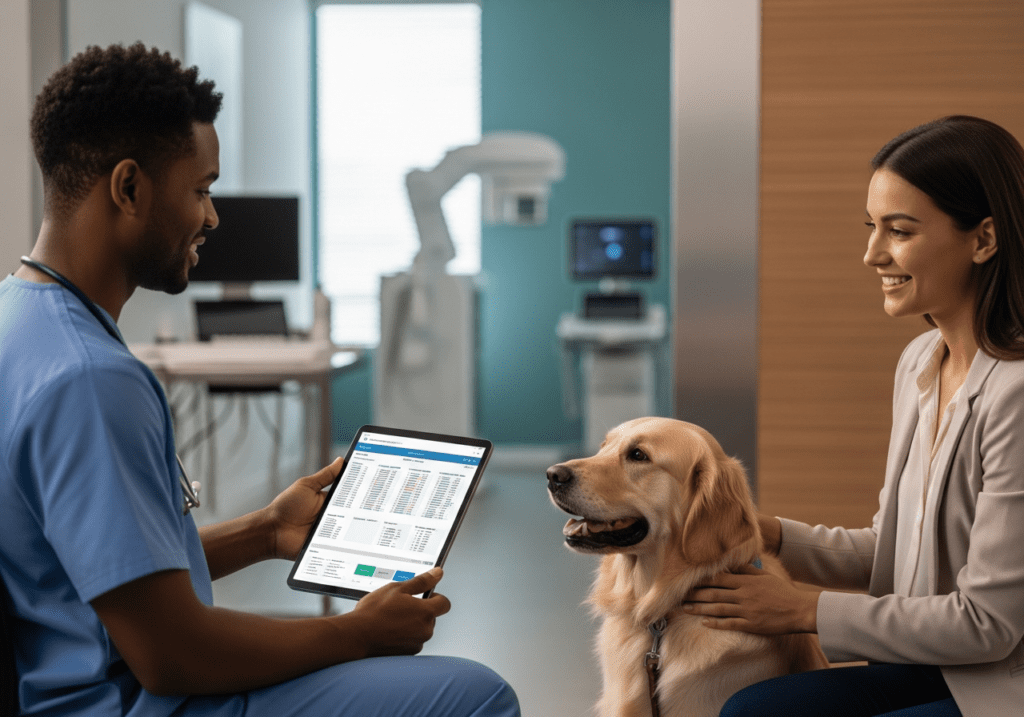
Client engagement stands as a pivotal aspect of successful veterinary practices. Innovative veterinary clinic solutions include telemedicine, appointment scheduling apps, and client education platforms. Such tools not only improve communication but also empower clients. For example, using a telemedicine platform allows clients to consult with veterinarians remotely, increasing access to care, particularly for shelter and community medicine veterinarians. As a result, clinics can expand their reach without compromising service quality.
Operational Efficiencies to Consider
Improving operational efficiency is vital for all veterinary clinics. General practice veterinarians can benefit from practice management software that automates routine tasks. For instance, reminders for vaccinations or follow-up appointments can be scheduled automatically. Similarly, emergency and critical care veterinarians can utilize digital platforms to triage cases more efficiently, thereby improving patient outcomes. These innovations free up valuable time, allowing staff to focus on providing exceptional care.
Adapting to Market Shifts
As the veterinary market evolves, practices must adapt to changing client expectations and technological advancements. Data analytics tools can help clinics stay ahead by identifying trends in patient care and client behavior. Furthermore, mixed animal and food animal veterinarians can leverage these insights to refine service offerings. By customizing care plans based on analytics, clinics can foster a tailored approach that resonates with clients, ensuring higher satisfaction and loyalty.
Training and Development Opportunities
Training clinical staff on the latest technologies and client engagement strategies is crucial. Workshops, webinars, and collaborative learning environments can significantly enhance staff competencies across roles ranging from associate veterinarians to veterinary internal medicine specialists. When equipped with the right skills, teams can implement innovative practices seamlessly. For example, community medicine veterinarians greatly benefit from continued education in client outreach and engagement methods.
Conclusion
In conclusion, adapting to veterinary clinic innovations and enhancing client engagement are imperative for veterinary practices today. By overcoming operational challenges, embracing technology, and investing in staff development, clinics can thrive in a competitive landscape. The Pulivarthi Group stands ready to support veterinary clinics in finding the right talent to navigate these innovations and meet client needs. With qualified professionals such as general practice veterinarians, urgent care veterinarians, and veterinary internal medicine specialists, we help clinics access the expertise necessary for success in modern veterinary care.