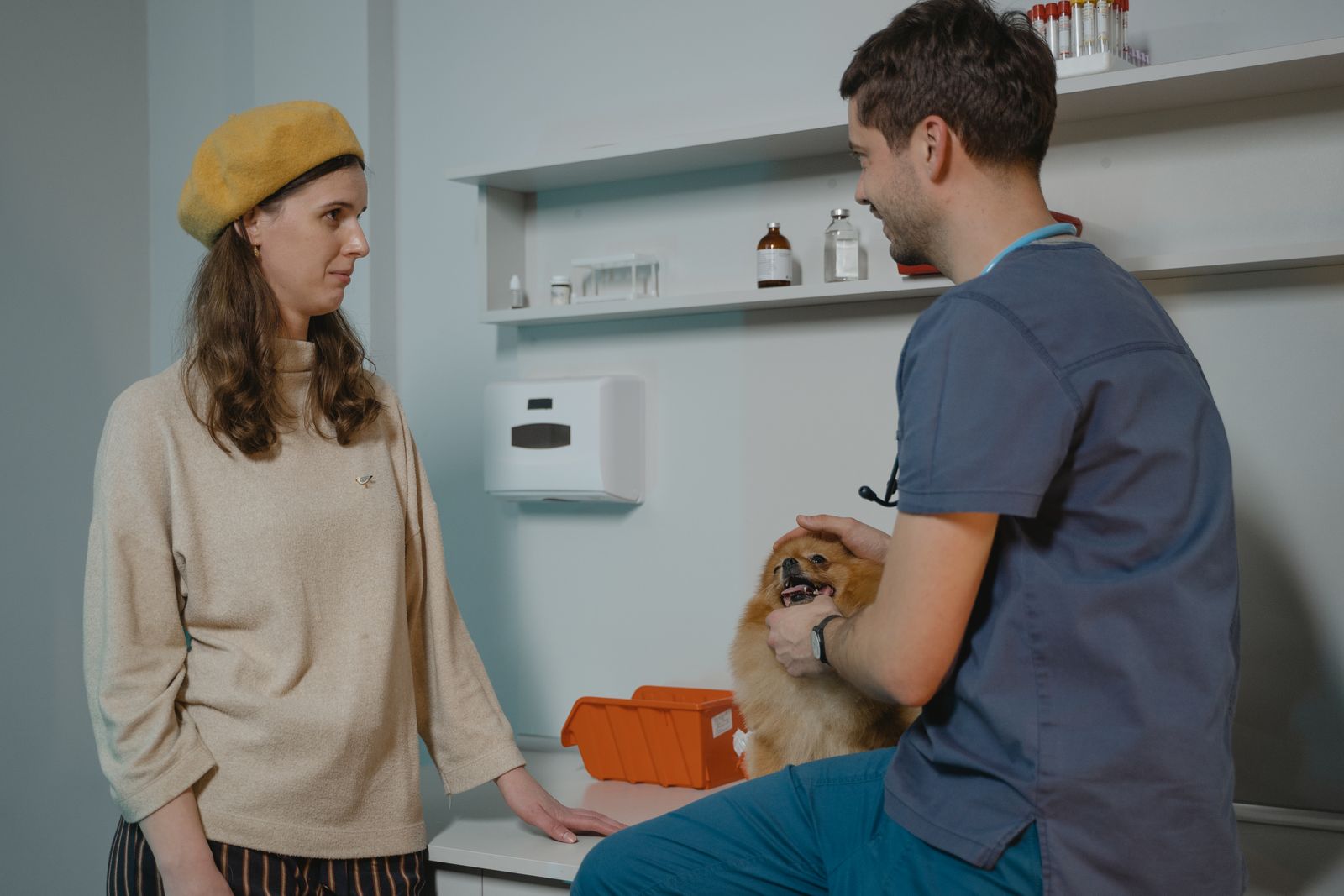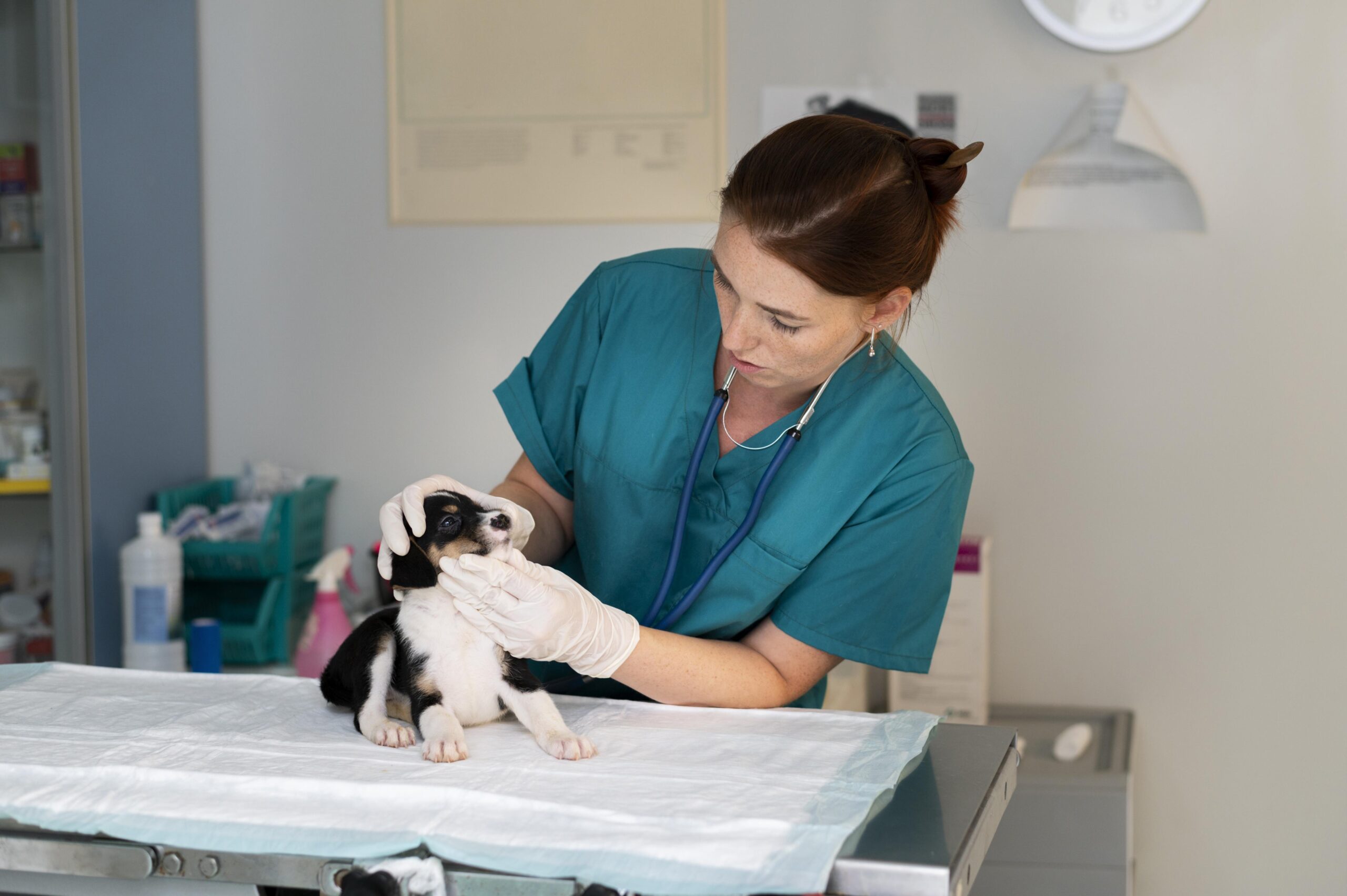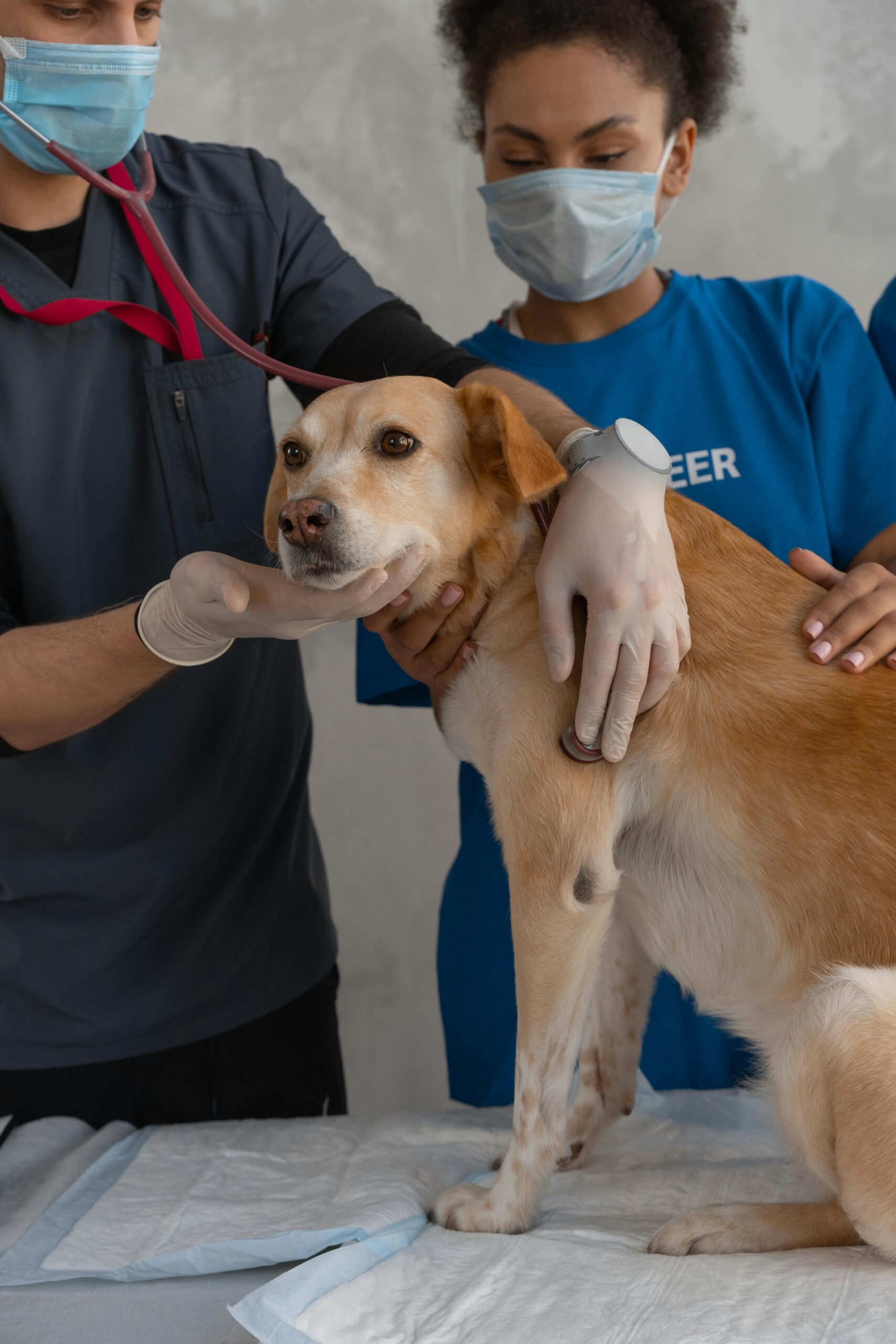
Veterinary client communication is the skill that turns good medicine into good outcomes. When pet owners understand a diagnosis and trust the plan, they follow through on care. This guide explains why client communication is so important in veterinary practice, and how to make it a repeatable habit rather than a talent a few team members happen to have.
Effective communication in veterinary care is crucial for empowering clients and supporting their decision-making. Veterinary professionals—be they associate veterinarians, urgent care staff, or shelter veterinarians—are often at the forefront of these interactions. However, many clinics face challenges in conveying information clearly and empathetically. By enhancing communication strategies, veterinary teams can significantly improve client relationships and patient outcomes.
Why Is Client Communication Important in Veterinary Care?
Three reasons stand out. First, adherence: clients who understand recommendations accept treatment plans more often, which directly improves patient outcomes. Second, trust and retention: clear, empathetic conversations are the strongest driver of repeat visits and referrals. Third, team protection: fewer misunderstandings mean fewer complaints and less emotional load on staff. The AVMA’s practice management resources treat communication as a core clinical skill for exactly these reasons.
Understanding Client Decision-Making
Clients often struggle to make informed choices about their pets’ health due to emotional stress or lack of understanding. For example, a pet owner may be overwhelmed when faced with surgical options for their animal. Thus, veterinarians need to provide clear, concise information that addresses both the medical facts and the emotional aspects of the situation. Research shows that effective communication can lead to increased client satisfaction, adherence to treatment plans, and better health outcomes.
Strategies for Effective Communication
Implementing structured communication strategies can enhance the client experience. Consider the following:
- Active Listening: Encourage clients to express their concerns. Repeat key points to show understanding.
- Empathy: Acknowledge the emotional aspects of decision-making. This builds trust and rapport.
- Visual Aids: Use diagrams or charts to explain complex medical conditions, making information easier to digest.
- Follow-Up: After consultations, follow up with clients to address lingering questions or concerns.
These strategies can be particularly beneficial in emergency or critical care situations, where quick decisions are necessary.
Addressing Communication Challenges in Different Veterinary Roles
Each veterinary role may encounter unique communication challenges. For instance, urgent care veterinarians often deal with acute situations where time is limited. They must quickly convey critical information while remaining empathetic. In contrast, general practice veterinarians may benefit from longer consultations, allowing more detailed discussions with clients. Moreover, specialty veterinarians, such as those in veterinary internal medicine, often explain complex conditions and treatment options, necessitating tailored communication techniques.
Fostering a Culture of Veterinary Client Communication
Creating a culture that prioritizes client communication involves training and continuous improvement. Here are a few approaches to consider:
- Ongoing Training: Regular workshops can help clinical staff develop their communication skills.
- Feedback Mechanisms: Encourage clients to provide feedback on their experiences, using it to refine communication strategies.
- Team Collaboration: Foster open discussions among team members about challenging cases and communication strategies.
These practices can lead to a more cohesive approach to client care across all staff, thus improving overall operational efficiency.
Frequently Asked Questions
How can a clinic improve veterinary client communication quickly?
Standardize the basics: plain-language discharge notes, teach-back questions, and a defined follow-up call within 48 hours of significant visits.
What are the most common communication barriers?
Time pressure, jargon, and cost conversations. Scripting cost discussions and delegating follow-ups to trained support staff removes most friction.
Does communication skill matter in hiring?
Yes. Client-facing skill is now a top hiring criterion. Consequently, many practices screen for it explicitly or work with a specialized veterinary staffing partner that pre-assesses communication fit. Strong veterinary client communication is a system, not a personality trait, and clinics that treat it that way win on outcomes and loyalty.
Conclusion
In veterinary clinics, effective communication is essential for empowering clients and fostering better decision-making. By adopting clear communication strategies, veterinary teams can greatly enhance client relationships and outcomes. As veterinary professionals encounter increasingly complex cases, working together to improve communication skills will be vital.
The Pulivarthi Group stands ready to support veterinary clinics in accessing essential talent across various roles, from associate veterinarians to board-certified specialists. By ensuring that your team is equipped to communicate effectively, you can enhance client care and maintain a high standard of professional service.