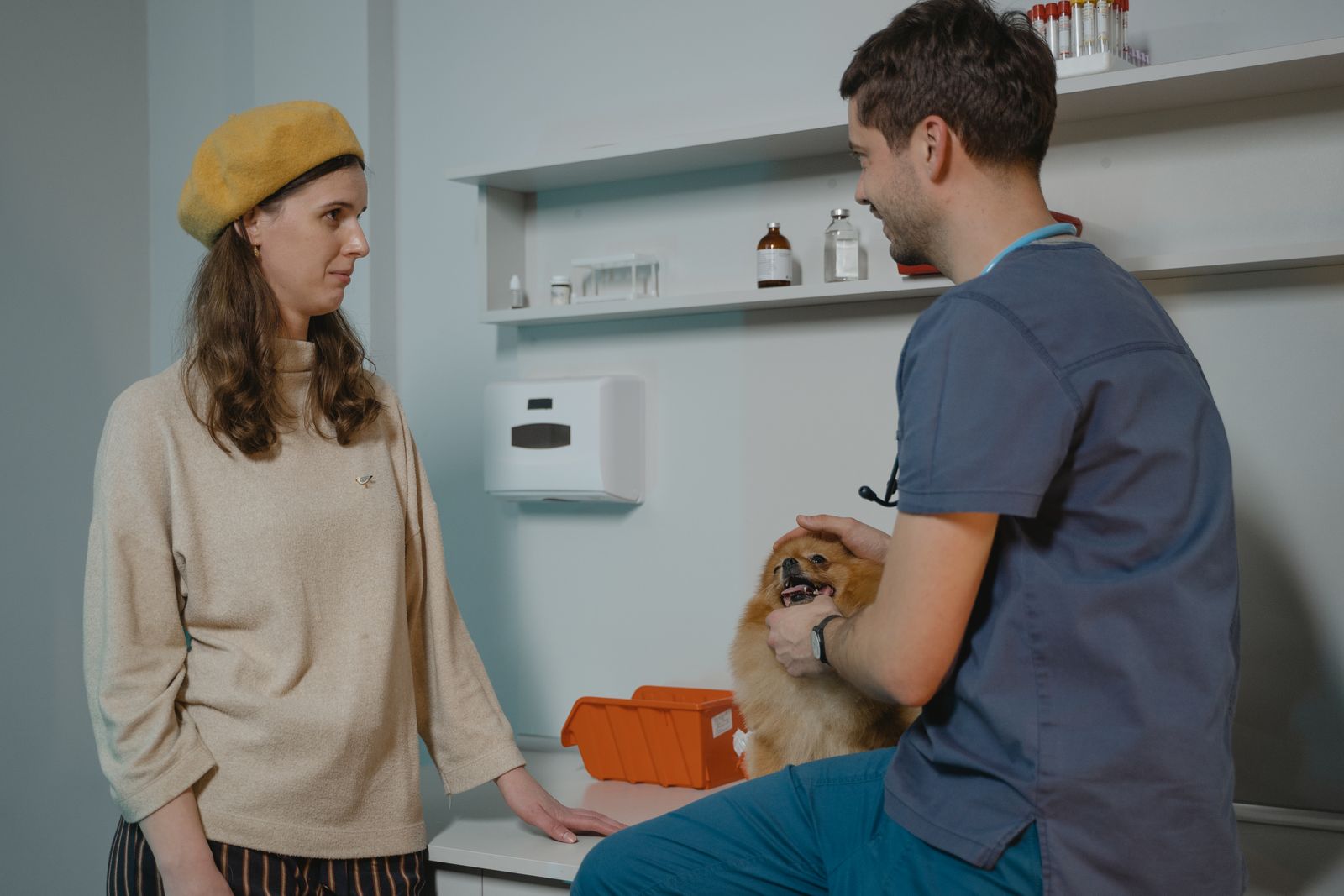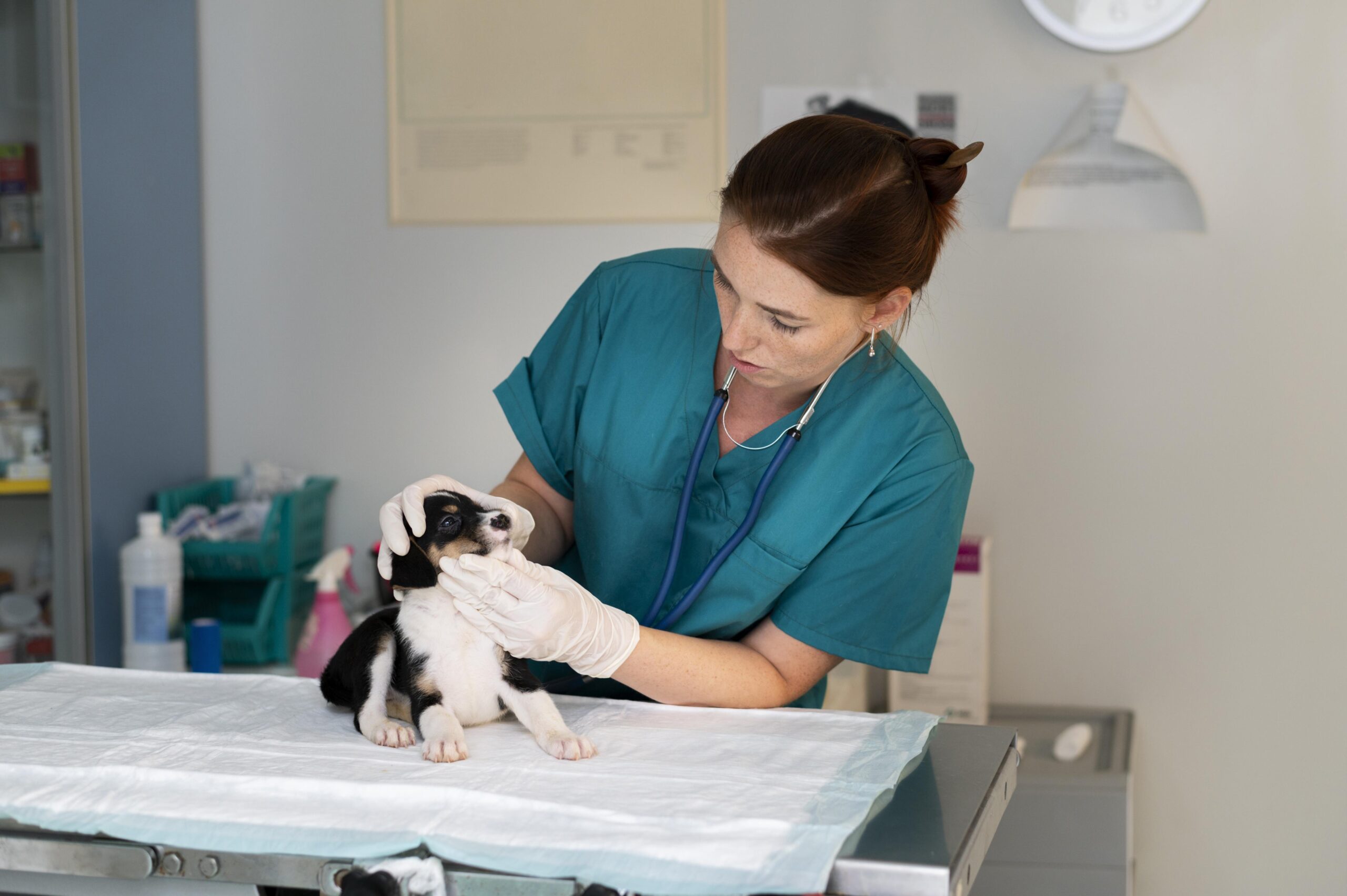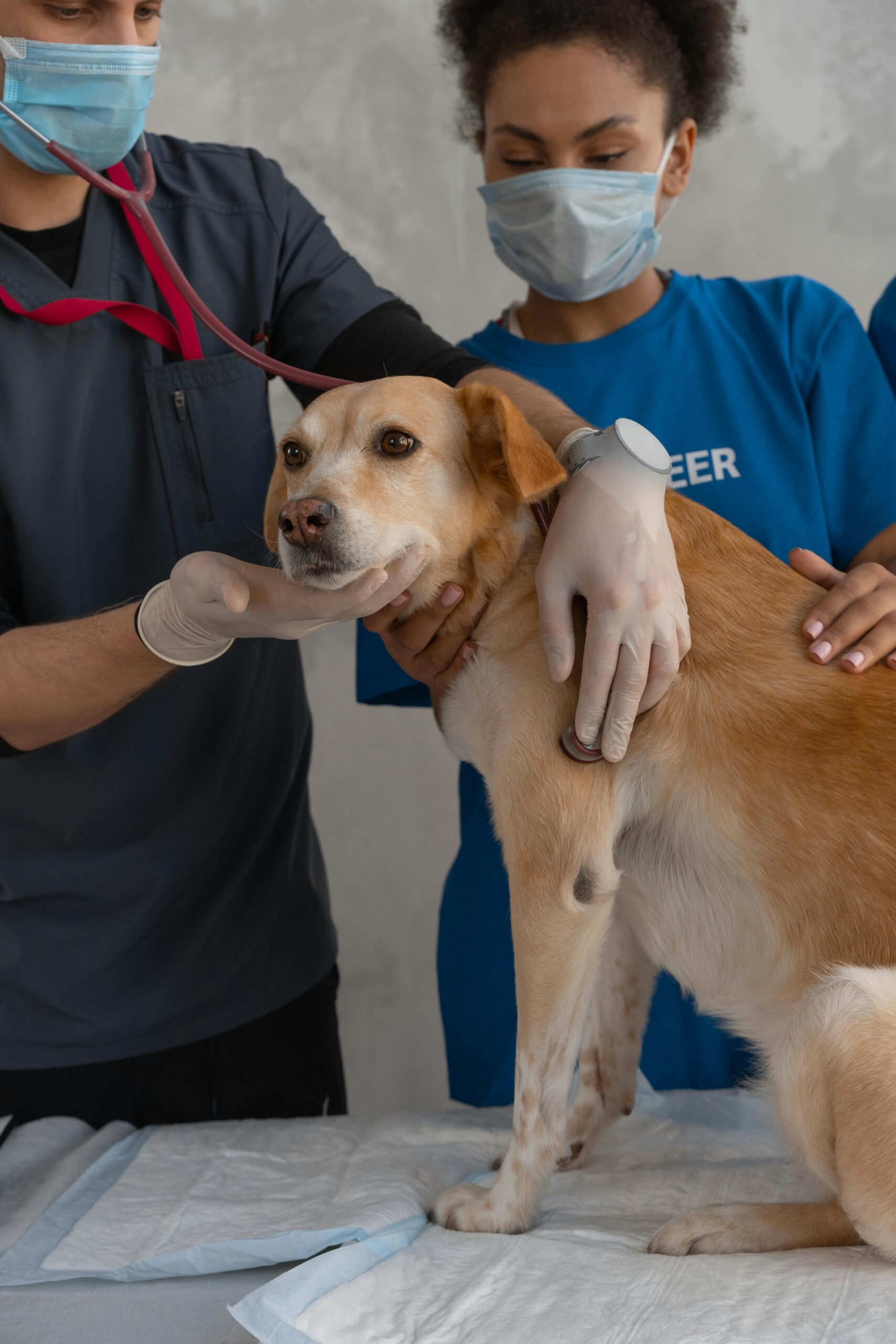
The concept of frailty is becoming increasingly significant in veterinary medicine, particularly as more pets age and the demand for specialized care rises. Frailty refers to a syndrome that encompasses a decline in physiological reserves, often affecting older pets. As veterinarians and clinic staff, understanding this emerging concept is critical for enhancing patient care and operational efficiency.
What is Frailty in Pets?
Frailty in pets manifests through various clinical signs such as weight loss, decreased activity, and cognitive decline. These symptoms often predispose older pets to other health complications. For instance, frail pets may not respond well to surgery or may struggle with recovery. This makes it essential for veterinary professionals to identify frailty early on.
Challenges in Managing Frailty
Veterinarians face significant challenges when it comes to managing frailty. In general practice, assessing frailty often requires more time and patience during consultations. Urgent care veterinarians must quickly differentiate frailty symptoms from acute issues, while emergency veterinarians may be tasked with critical cases involving frail pets. Each specialty role necessitates a tailored approach to accommodate the nuances of frailty.
Clinical Strategies for Detection
Effective management starts with early detection. Here are some strategies veterinary clinics can employ:
- Comprehensive Assessments: Incorporate geriatric assessments during annual check-ups for older pets.
- Owner Education: Educate pet owners about recognizing signs of frailty, such as changes in appetite and energy levels.
- Multidisciplinary Approach: Collaborate with specialists, such as veterinary internal medicine specialists, to tackle complex cases.
Implications for Patient Care
Understanding frailty helps in formulating tailored treatment plans. For instance, a critical care veterinarian may need to adjust medication dosages for frail patients to avoid potential adverse reactions. Likewise, shelter veterinarians must be particularly vigilant about frailty, as resources are often limited for aging animals without homes.
Trends in Geriatric Veterinary Care
The rise of frailty as a clinical concern aligns with broader trends in veterinary medicine, which include personalized medicine and advancements in technology. Innovative diagnostic tools allow veterinarians to evaluate frailty more accurately. For example, telemedicine facilitates regular check-ins, reducing the stress of travel for frail pets.
Supporting Veterinary Staff and Teams
Veterinary teams need appropriate training to address frailty in pets effectively. Workshops focusing on geriatrics can enhance the skill set of associate veterinarians, allowing them to better manage patient care. It’s equally important for practice owners and managers to invest in staff education, aligning on best practices for handling frail patients.
Conclusion
As we understand the growing significance of frailty in veterinary medicine, it is clear that a proactive approach to geriatric care can improve pet health outcomes. The Pulivarthi Group recognizes the challenges that veterinary clinics face in staffing for specialized roles. Our services can help clinics find skilled professionals across various veterinary disciplines, ensuring that your practice is equipped to manage frail patients effectively. By enhancing your team’s capabilities, we support you in delivering exceptional care for aging pets.