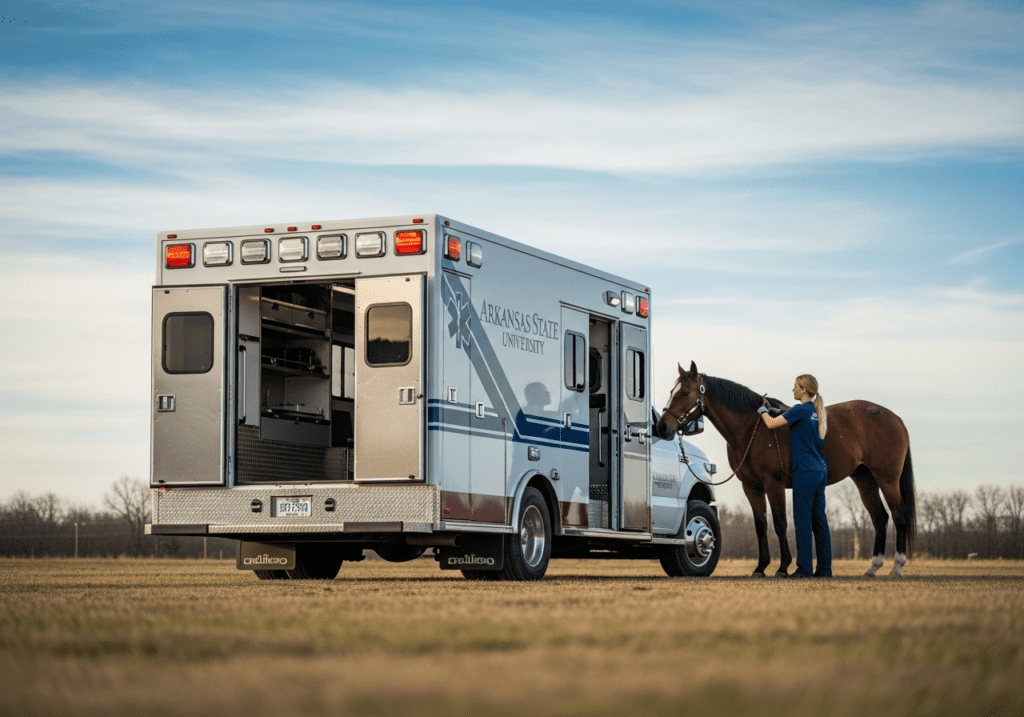
The introduction of the large animal ambulance by Arkansas State University marks a significant advancement in emergency veterinary services for large animals like horses and cattle. As the need for immediate care grows, especially in areas like Arkansas, this initiative addresses pressing challenges faced by veterinary clinics and animal owners alike. Swift, specialized care for large animals can mean the difference between life and death.
Challenges in Large Animal Emergency Care
Veterinary clinics often encounter unique challenges when dealing with large animals. The sheer size and weight of animals such as horses and cattle complicate transport during emergencies. Unlike small animal practices, large animal veterinarians must navigate different logistical considerations. Furthermore, treatments may require specialized knowledge, particularly in urgent situations.
This is where a large animal ambulance can be a game changer. Equipped to handle emergency scenarios, these vehicles enhance the ability of clinical teams. Immediate onsite evaluation can lead to timely intervention, ensuring that critical care veterinarians can provide life-saving procedures without delay.
Operational Efficiency in Emergency Services
Operational efficiency is essential in emergency veterinary services. Large animal ambulances allow for seamless communication between clinics and veterinary staff on the ground. For example, when an urgent care veterinarian receives a call, they can quickly assess the situation. Then they can relay specific patient information back to the clinic, preparing staff for a smooth transition of care.
Additionally, having a dedicated ambulance reduces the time spent transporting animals to veterinary clinics. This efficiency is vital in emergency situations where every moment counts.
Benefits of the Large Animal Ambulance
The large animal ambulance service not only improves response times but also enhances the overall quality of care. Here are key benefits:
- Immediate Care: Onsite evaluations can initiate treatment before transport.
- Specialized Equipment: The ambulance is equipped to handle the unique needs of large animals.
- Trained Personnel: Emergency veterinarians are trained to provide specific care for large species.
With these improvements, veterinary practices can position themselves as leaders in emergency care for large animals. This is especially relevant for those involved in mixed animal or food animal practices, where urgent interventions often occur.
Preparedness and Community Engagement
Preparedness is crucial for veterinarians, especially in rural areas where large animal emergencies may be more frequent. Clinics should foster relationships within the agricultural community to promote awareness of available services. Education regarding what to do in an emergency can empower animal owners and ensure rapid response when needed.
Moreover, mobile clinics or education events about large animal emergency protocols can enhance community engagement. Emergency veterinarians can conduct workshops showcasing the capabilities of the new ambulance and how to best use it during critical situations.
Conclusion
The launch of the large animal ambulance by Arkansas State University is a promising advancement for veterinary emergency services. It reflects a commitment to improving patient care for large animals across Arkansas. As veterinary clinics explore ways to enhance their emergency response capabilities, partnering with staffing agencies like Pulivarthi Group can ensure access to skilled professionals. Whether you need an Associate Veterinarian or a Board-Certified Veterinary Internal Medicine Specialist (DACVIM), we can help your clinic meet its staffing needs. Together, we can elevate veterinary care and ensure that large animal emergencies receive the attention they deserve.