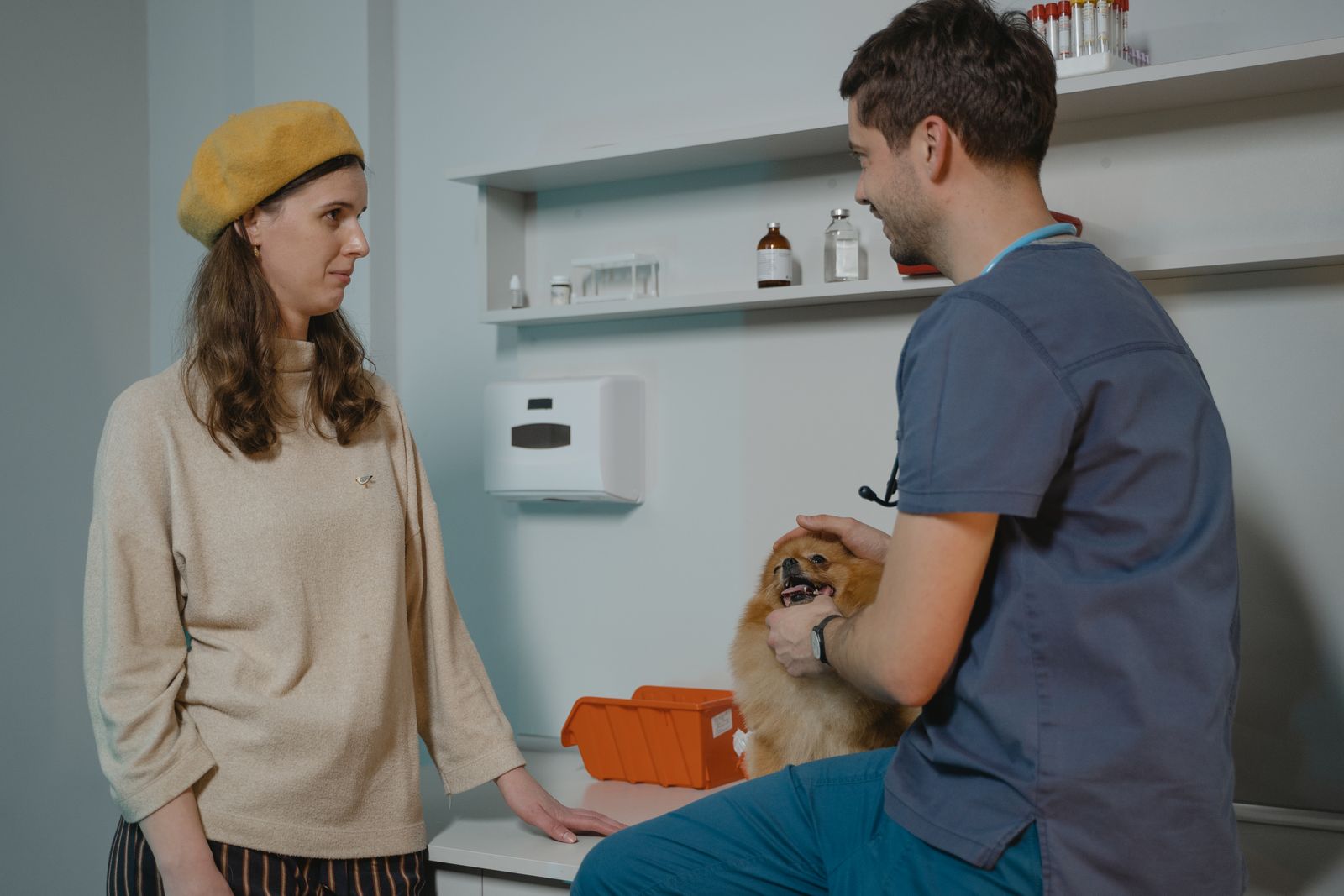
The expanding role of veterinary receptionists is reshaping how well-run clinics structure their front-of-house operations. Receptionists are no longer just appointment schedulers and phone answerers. In 2026, high-performing veterinary receptionists function as client relationship managers, triage coordinators, and revenue enablers. This guide gives practice managers a framework for hiring, training, and retaining this critical role.
However, most veterinary practices still hire receptionists based primarily on phone manner and basic computer skills. As a result, they miss the opportunity to hire for the expanded competencies that now drive client satisfaction, scheduling efficiency, and revenue capture.
How the Role of Veterinary Receptionists Has Expanded
The expanding role of veterinary receptionists reflects broader changes in client expectations and practice operations. Pet owners now expect digital booking, text-based communication, and rapid responses to questions about services and pricing. Furthermore, the complexity of veterinary appointment types has increased — wellness exams, urgent care visits, specialist referrals, and telehealth consultations all require different scheduling logic.
Consequently, veterinary receptionists must now understand basic clinical triage protocols to direct urgent calls appropriately. They must communicate treatment costs clearly without creating client anxiety. Additionally, they must manage multi-channel communication: phone, email, text, and online booking platforms simultaneously.
Moreover, receptionists are often the first and last person a client interacts with during a visit. Their communication style, their knowledge of services, and their ability to de-escalate anxious clients directly influence Google review scores and referral rates. In other words, the expanding role of veterinary receptionists has a direct impact on clinic revenue.
Key Competencies for the Expanded Veterinary Receptionist Role
Hiring for the expanding role of veterinary receptionists requires updating your job description and interview process to assess specific competencies. The core competencies now include: client communication and de-escalation, basic triage protocol knowledge, multi-channel scheduling proficiency, payment processing and financial conversation management, and practice management software fluency.
Additionally, emotional intelligence is critical. Receptionists who can read client emotional states and adjust their communication style accordingly produce significantly better client experiences. For example, a client calling in distress about an ill pet needs a different response than a client calling to schedule a routine wellness exam.
Training for the Expanded Receptionist Role
Because the role of veterinary receptionists has expanded so significantly, training programs must go beyond software orientation and phone scripts. Specifically, include client communication training, basic clinical terminology, pricing conversation scripts, and emotional labor management in your receptionist onboarding program.
Furthermore, train receptionists on your specific practice’s most common scenarios. For example, how should they respond when a client cannot afford a recommended treatment? How should they handle a caller who is hostile about wait times? In short, scenario-based training produces faster skill development than policy-based training alone.
Retention Strategies for Veterinary Receptionists
Retaining high-performing veterinary receptionists requires recognizing the full scope of the role they are now performing. Consequently, compensation benchmarking for veterinary receptionists should reflect expanded responsibilities — not just historical administrative pay scales.
Additionally, creating a career pathway from receptionist to practice coordinator or office manager gives ambitious staff a reason to stay and grow within your organization. Moreover, regular recognition of specific contributions — not just general positive feedback — builds the sense of professional value that retains high performers.
How Pulivarthi Group Supports Veterinary Receptionist Hiring
Pulivarthi Group places veterinary receptionists who are screened for the expanded competencies that modern practices require. We assess client communication skills, emotional intelligence, and practice management software experience before submitting candidates to your team.
Furthermore, we work with your practice manager to understand your specific client experience goals and volume patterns — so we source candidates who are set up for success from day one.
Ready to upgrade your front-of-house team? Contact Pulivarthi Group to discuss veterinary receptionist hiring today.