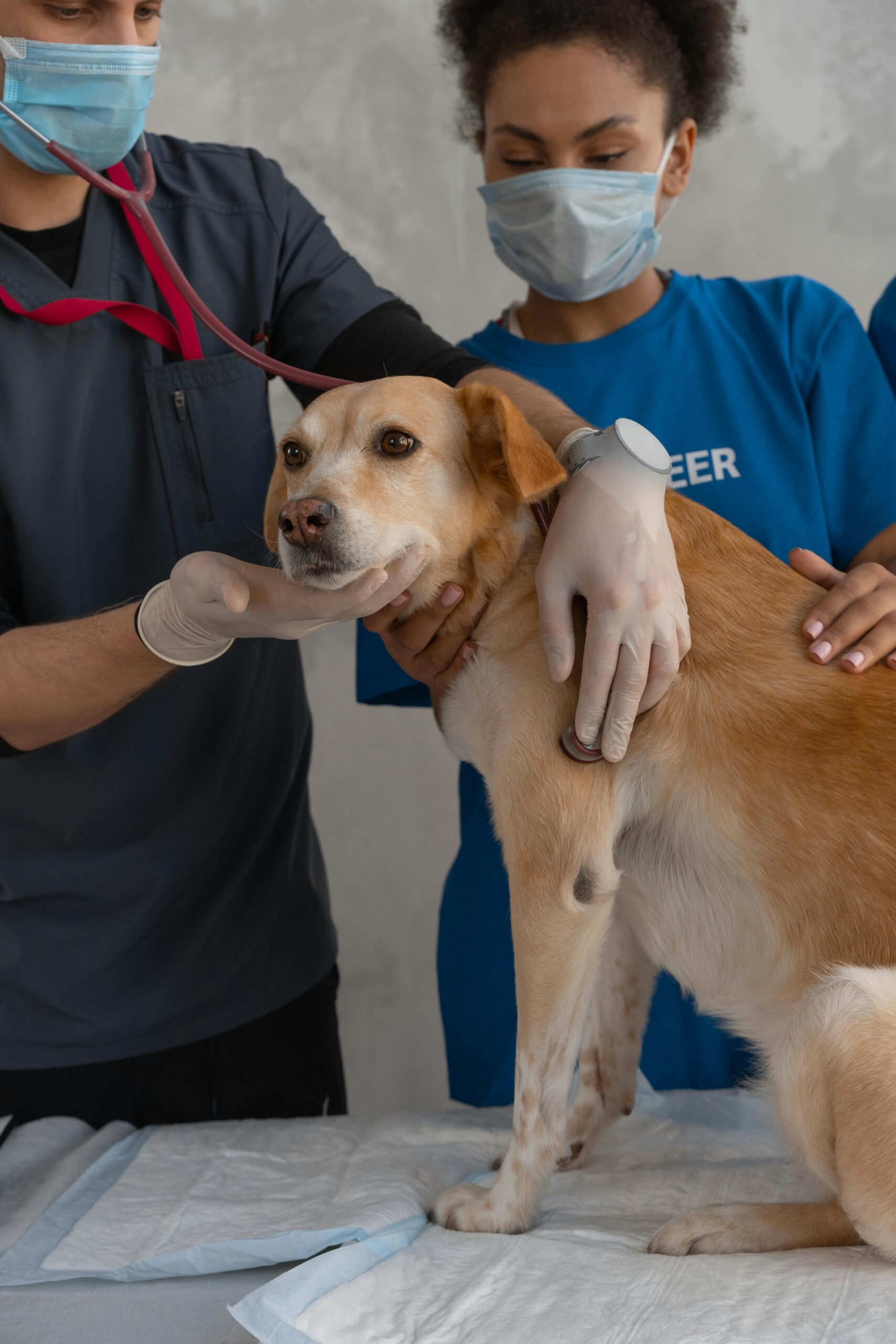
Leptospirosis in canines has emerged as a pressing issue faced by veterinary clinics across the United States. Increasing incidence rates in unexpected dog populations call for immediate attention and proactive measures. The rise of this potentially life-threatening disease threatens canine health and showcases the critical need for veterinarians to equip themselves with knowledge about its risks, symptoms, and prevention strategies. Leptospirosis symptoms in dogs can manifest in various ways, including fever, vomiting, and lethargy, which can often be mistaken for other illnesses. Early recognition of these signs is crucial for effective treatment and can significantly increase the chances of recovery. Pet owners should be vigilant and report any concerning symptoms to their veterinarians promptly to ensure timely intervention.
Understanding Leptospirosis
Leptospirosis is caused by bacteria of the genus Leptospira. These bacteria are commonly found in water contaminated by the urine of infected animals, which can include dogs, rodents, and wildlife. In recent years, veterinarians and clinic staff have noted a marked increase in cases, particularly among dogs that frequent parks, lakes, or other public spaces. With outbreaks occurring sporadically, clinics must be prepared to educate pet owners on the importance of prevention.
Many practitioners working in general practice and urgent care settings have witnessed direct implications on clinical practices. Patients presenting with leptospirosis often show symptoms such as fever, lethargy, vomiting, and jaundice. Early recognition and timely intervention are crucial in managing this disease. Emergency and critical care veterinarians must stay vigilant as severe cases can quickly escalate to liver and kidney failure.
Implications for Veterinary Practices
With the rising incidence of leptospirosis, veterinary clinics face unique challenges. For example, associates and practice owners must implement updated protocols for screening and vaccination. Regularly updating staff on the clinical signs of leptospirosis helps ensure that dogs receive timely care. Additionally, promoting vaccinations and preventive care plays a role in safeguarding the canine population. The silent spread of leptospirosis in pets can often go unnoticed, leading to more severe outbreaks if not addressed promptly. It is crucial for pet owners to be aware of the risks and to seek regular veterinary check-ups. Strong community education initiatives can empower owners to recognize symptoms early, ultimately protecting their beloved animals.
- Establish a vaccination protocol for at-risk populations.
- Encourage regular check-ups to identify dogs at risk.
- Educate pet owners on preventing exposure to contaminated water.
Vaccination and Preventive Strategies
Vaccinating dogs against leptospirosis is essential. However, veterinarians must ensure that clients understand the importance of the vaccine and its role in protecting their pets. Effective communication can enhance compliance and encourage responsible pet ownership. A mixed approach combining education and vaccination strategies may significantly decrease infection rates. In line with these efforts, vaccination options for leptospirosis prevention should be thoroughly discussed during veterinary visits. Offering various vaccination schedules and explaining the benefits of each can help pet owners make informed choices. Additionally, staying updated on local outbreaks can further motivate pet owners to prioritize their pets’ health.
In addition to vaccination, it is vital that clinics recommend lifestyle changes for pets. This includes minimizing exposure to standing water where rodents may congregate and encouraging good hygiene practices among pet owners. Such preventive measures can help mitigate the spread of leptospirosis in vulnerable populations. Just as important, pet owners should be aware of leptospirosis symptoms in urban pets, which can include fever, vomiting, and muscle pain. Recognizing these signs early can lead to prompt veterinary care and improve outcomes for affected animals. Furthermore, regular veterinary check-ups can help detect any health issues before they escalate.
Staying Ahead of Trends in Veterinary Medicine
As veterinarians navigate the complexities of infectious diseases, staying updated on industry trends is crucial. Educational initiatives can empower the veterinary workforce with enhanced knowledge about leptospirosis, potentially improving diagnostics and treatment outcomes. Workshops, webinars, and collaborative sessions can foster a culture of learning and adaptation to emerging threats.
Furthermore, associations and boards for veterinary medicine emphasize the need for board-certified specialists, such as Veterinary Internal Medicine Specialists, to play a role in managing severe cases. Their expertise is invaluable when concurrent health issues arise with leptospirosis infections, necessitating comprehensive treatment strategies.
Conclusion
In summary, the increasing incidence of leptospirosis in canines underscores the need for veterinary clinics to remain vigilant and proactive in their approach to patient care. By prioritizing vaccination, educating clients, and staying informed on industry trends, veterinarians can make significant strides in combating this infectious disease. The Pulivarthi Group stands ready to support veterinary clinics in this endeavor, helping to connect practices with skilled professionals across various roles. This collaboration enables clinics to access the hard-to-find talent essential to effectively managing such public health concerns while enhancing patient care.