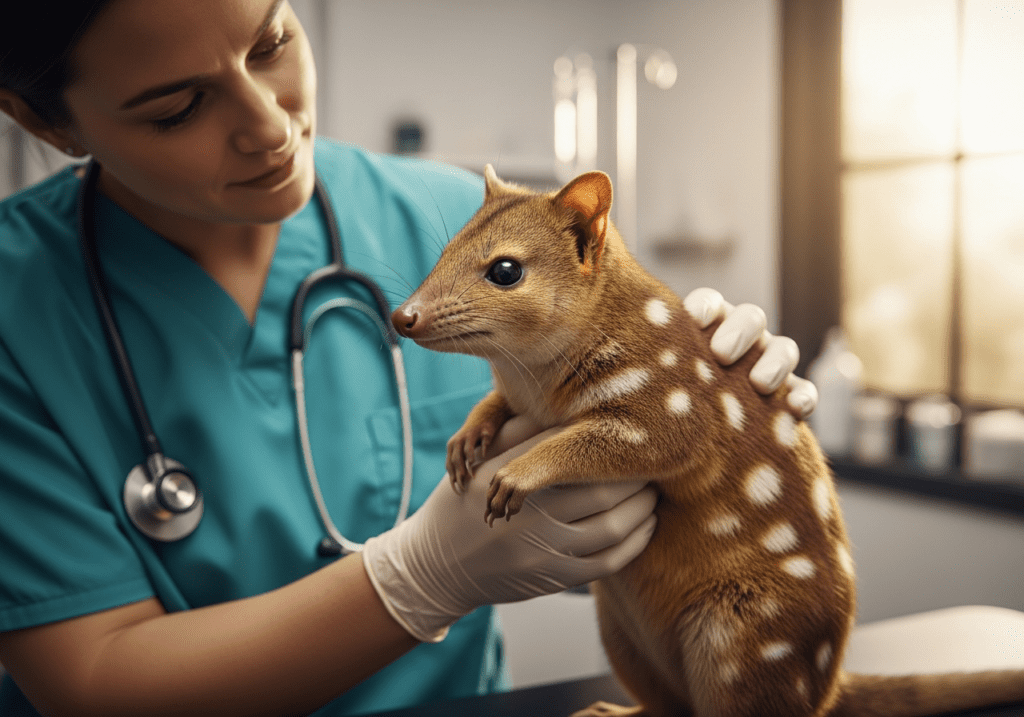
A recent and unexpected incident in northern Australia has highlighted the vital role of veterinary clinics in wildlife rescue and rehabilitation efforts. A northern quoll was found nestled in a family’s car after traveling over 2,400 kilometers. This incident not only raises questions about wildlife safety and human interaction but also reflects the challenges veterinary clinics face when dealing with wildlife rehabilitation efforts.
Understanding the Challenge of Rehabilitating Threatened Species
Releasing a threatened species back into its natural habitat involves meticulous planning and precise execution. Veterinary clinics often form the backbone of these initiatives, especially when it comes to species like the northern quoll. Animal care professionals must assess the animal’s health, prepare it for release, and educate the community about the importance of wildlife conservation.
For instance, consider the role of an Emergency Veterinarian who might handle traumatic injuries or illnesses that these animals could be suffering from after being removed from an urban environment. Their insights help ensure that the quoll is in optimal health before being released, served through thorough assessments and advanced diagnostic tests.
Operational Efficiency in Wildlife Rescue
Timely intervention is crucial in wildlife rescue. The case of the northern quoll emphasizes the need for operational efficiency. When a wild animal presents itself unexpectedly, clinics must be ready. This calls for sufficient staffing, adequate training, and streamlined procedures. For General Practice Veterinarians, this might mean having protocols in place that allow for quick triage and treatment of wildlife cases.
Implementing training sessions for all staff can enhance their response. This includes understanding wildlife biology, common diseases in local species, and the logistics of follow-up care and release processes.
Community Engagement and Conservation Efforts
The incident involving the northern quoll provides a teaching moment for local communities. Veterinary clinics can play a key role in educating the public about wildlife rehabilitation and the importance of conservation. By holding workshops or outreach programs, clinics can foster a sense of responsibility among pet owners and the general public, encouraging them to support local wildlife.
- What can individuals do to help protect local wildlife?
- How can veterinary clinics engage with the community?
- Why is it crucial to educate pet owners about wildlife safety?
Every interaction strengthens community ties and can lead to increased support for wildlife conservation initiatives.
The Role of Veterinary Specialists in Wildlife Care
When dealing with complex cases, specialists such as Veterinary Internal Medicine Specialists and even Board-Certified Veterinary Internal Medicine Specialists (DACVIM) contribute critical knowledge. They can address specific health issues while collaborating with clinics to create comprehensive rehabilitation plans. Having such expertise is crucial in high-stakes situations where an animal’s well-being hangs in the balance.
Conclusion
The story of the northern quoll serves as a powerful reminder of the interconnectedness of wildlife and our communities. It underscores the importance of operational readiness and community engagement in veterinary clinics. As this case illustrates, each step in wildlife rescue is vital. Pulivarthi Group recognizes the demand for skilled professionals in veterinary clinics, particularly in roles such as Associate Veterinarian, General Practice Veterinarian, and specialized positions that directly impact animal care and conservation. By facilitating connections with qualified talent, Pulivarthi Group supports veterinary clinics in meeting the challenges of wildlife rescue and enhancing patient outcomes across the board.