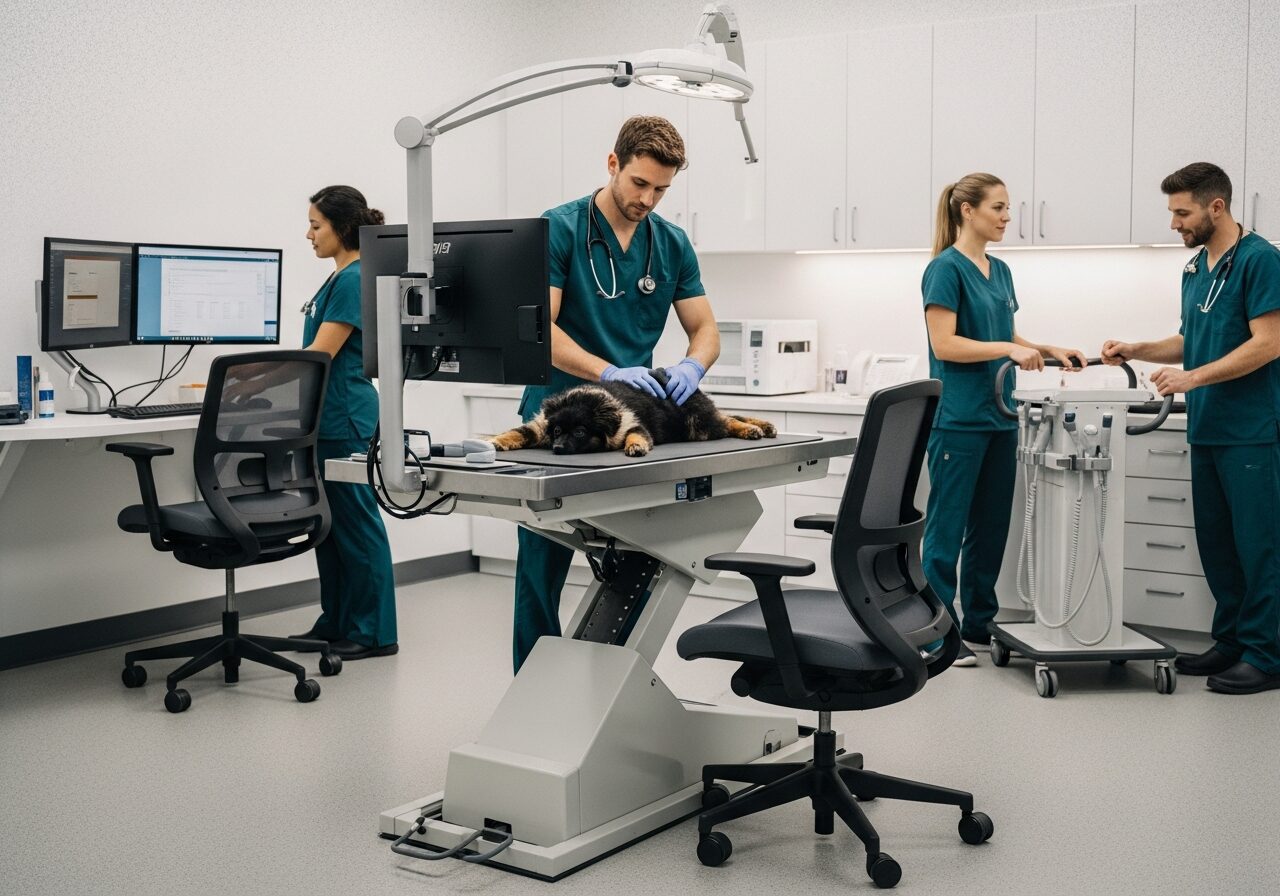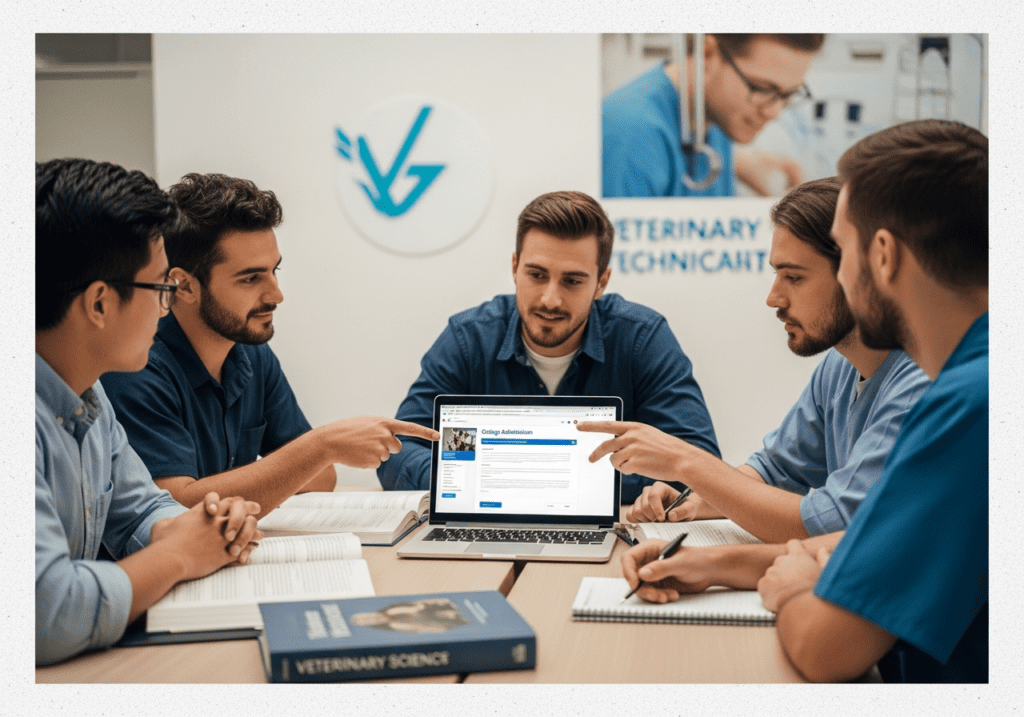
The field of veterinary medicine faces significant challenges in recruitment and education. With rising demand for veterinary services across various disciplines, including general practice, urgent care, and emergency medicine, clinics often struggle to attract and prepare the next generation of veterinary professionals. This is particularly relevant in Ohio, where institutions like Wilmington College and Ohio State University’s College of Veterinary Medicine are stepping up efforts to enhance educational pathways in veterinary medicine, thus addressing the need for qualified practitioners.
Understanding the Veterinary Education Landscape
Veterinary education plays a crucial role in shaping the future of the profession. However, many prospective students still wonder about the pathways into veterinary medicine. What educational routes exist, and how do they prepare students for various roles within the field? Institutions are beginning to clarify these pathways by creating collaborative programs that introduce students to the various aspects of veterinary work.
For example, engaging high school students through animal science programs provides early exposure to veterinary medicine. This outreach effort is vital for developing interest in fields like mixed animal and food animal veterinary medicine. Furthermore, working with local veterinary clinics helps students gain practical experience that enhances their application for veterinary school.
Innovative Recruitment Strategies
Enhancing veterinary education recruitment involves understanding the current challenges faced by veterinary clinics. Many clinics report difficulty in attracting qualified candidates, particularly in specialties like critical care and internal medicine. This shortage can lead to increased workloads for existing staff and impact the quality of patient care and operational efficiency.
- Collaboration with local universities to host recruitment events.
- Offering mentorship programs that connect students with practicing veterinarians.
- Creating internships that align with academic curricula.
These strategies not only strengthen the veterinary pipeline but also improve mentorship within the profession. By fostering relationships between seasoned veterinarians and students, clinics can enhance both outreach and recruitment effectiveness.
Fostering Diversity in Veterinary Medicine
Promoting diversity within the veterinary workforce is another critical focus area. As the veterinary landscape continues to evolve, a diverse workforce can improve understanding of community needs, especially in underserved areas. Initiatives aimed at recruiting underrepresented groups into veterinary medicine can help bridge this gap.
Community medicine veterinarians often lead these efforts, focusing on accessibility and awareness. By implementing outreach programs in collaboration with shelters and community organizations, veterinary clinics can inspire a diverse group of prospective students to consider careers in veterinary medicine.
Preparing for the Future of Veterinary Care
The future of veterinary medicine hinges on effective preparation for the challenges that lie ahead. As both general practice and specialty veterinarians face evolving patient demands, clinics must adapt their educational frameworks accordingly. This includes embracing technology in training and addressing the growing need for urgent care and emergency services.
Veterinary practices currently experiencing staffing shortages can benefit from investing in systems that attract and retain talent across multiple specialties. Consider innovative hiring practices, such as telehealth solutions, which can augment the physical presence of veterinarians and enhance patient care while broadening recruitment efforts.
Conclusion
In summary, recruitment challenges in veterinary education necessitate collaborative efforts across institutions and clinics. Wilmington College and Ohio State University’s commitment to developing pathways in veterinary medicine offers a roadmap to address these concerns effectively. By enhancing recruitment strategies and embracing diversity, we can shape a proficient future workforce. As veterinary clinics strive to meet these goals, partnering with agencies like Pulivarthi Group can facilitate access to hard-to-find talent across various roles—from Associate Veterinarians to Board-Certified Veterinary Internal Medicine Specialists (DACVIM). Together, we can ensure exceptional patient care and operational success in the evolving veterinary landscape.