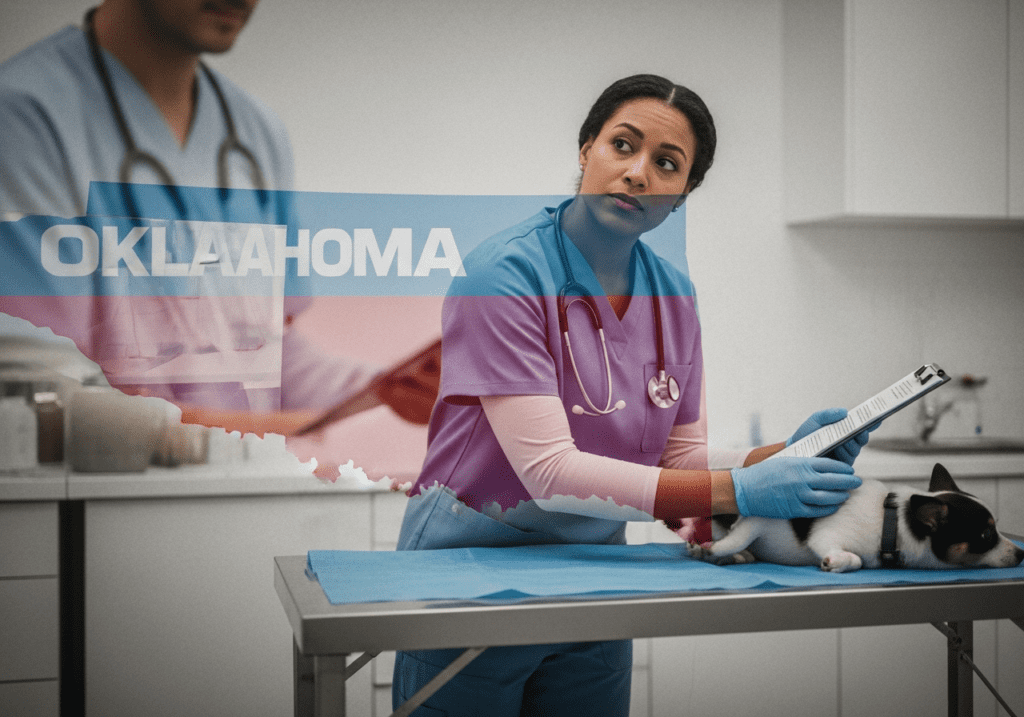
The landscape of veterinary practice in Oklahoma is experiencing significant shifts due to recent legislative changes. Specifically, the Oklahoma Veterinary Practice Act introduces new requirements that affect veterinary clinics across the state. For veterinary professionals, understanding these veterinary regulations is crucial to ensure compliance and maintain high standards of patient care.
Understanding the Changes: Oklahoma House Bill 3239
Oklahoma House Bill 3239 mandates annual in-person exams for pets, highlighting the need for clinics to adjust operational procedures. This regulation aims to enhance patient care and mitigate potential health risks. Veterinarians across various practice types, including emergency and urgent care veterinarians, must familiarize themselves with these updates to avoid compliance issues.
Implications for Veterinary Clinics
- Clinical Compliance: The new requirement for annual exams necessitates that associate veterinarians and general practice veterinarians consistently schedule these evaluations.
- Operational Adjustments: Clinic managers will need to revise scheduling protocols and train staff on the importance of these exams.
- Patient Care Consistency: Regular examinations can lead to early diagnoses, ultimately improving patient outcomes.
Moreover, staying informed about such legislative changes allows veterinary clinics to better structure their services. For example, shelter veterinarians must ensure compliance to receive necessary funding. Similarly, mixed animal veterinarians will need to adapt their practices to serve both companion and food animals effectively under the new regulations.
The Role of Technology and Communication
Embracing technology can mitigate logistical challenges posed by these new regulations. Implementing scheduling software can help ensure that exams are conducted annually across the board. Furthermore, clear communication channels within the clinic promote awareness of compliance deadlines and facilitate a culture of accountability among staff.
Clinical staff should also engage in ongoing education about regulatory changes. This could include workshops or collaborative discussions on best practices for managing patient records and compliance with the Oklahoma Veterinary Practice Act.
Strategies for Ensuring Compliance
- Training Sessions: Conduct regular training for veterinarians and staff about the details of new legislative measures.
- Standard Operating Procedures: Create or update SOPs that align with compliance requirements for annual exams.
- Regular Assessments: Establish regular internal audits to ensure that all protocols are being followed.
For veterinary practice owners, prioritizing compliance is not just about legal adherence; it’s about building trust with clients. Clients who see that their pets are receiving consistent and thorough care are more likely to return. Therefore, understanding the implications of the Oklahoma Veterinary Practice Act is essential for all veterinary roles.
Conclusion
As the veterinary industry evolves with legislative changes such as Oklahoma House Bill 3239, staying informed is paramount. Veterinary clinics must adapt to ensure compliance with new regulations while providing exceptional patient care. Partnering with experts can significantly ease this transition. The Pulivarthi Group specializes in connecting veterinary clinics with highly qualified professionals across various roles, including associate and general practice veterinarians, urgent care and emergency veterinarians, and specialty veterinarians. Our team’s support can help clinics navigate the complexities of legislative requirements while maintaining operational efficiency and a focus on patient health.