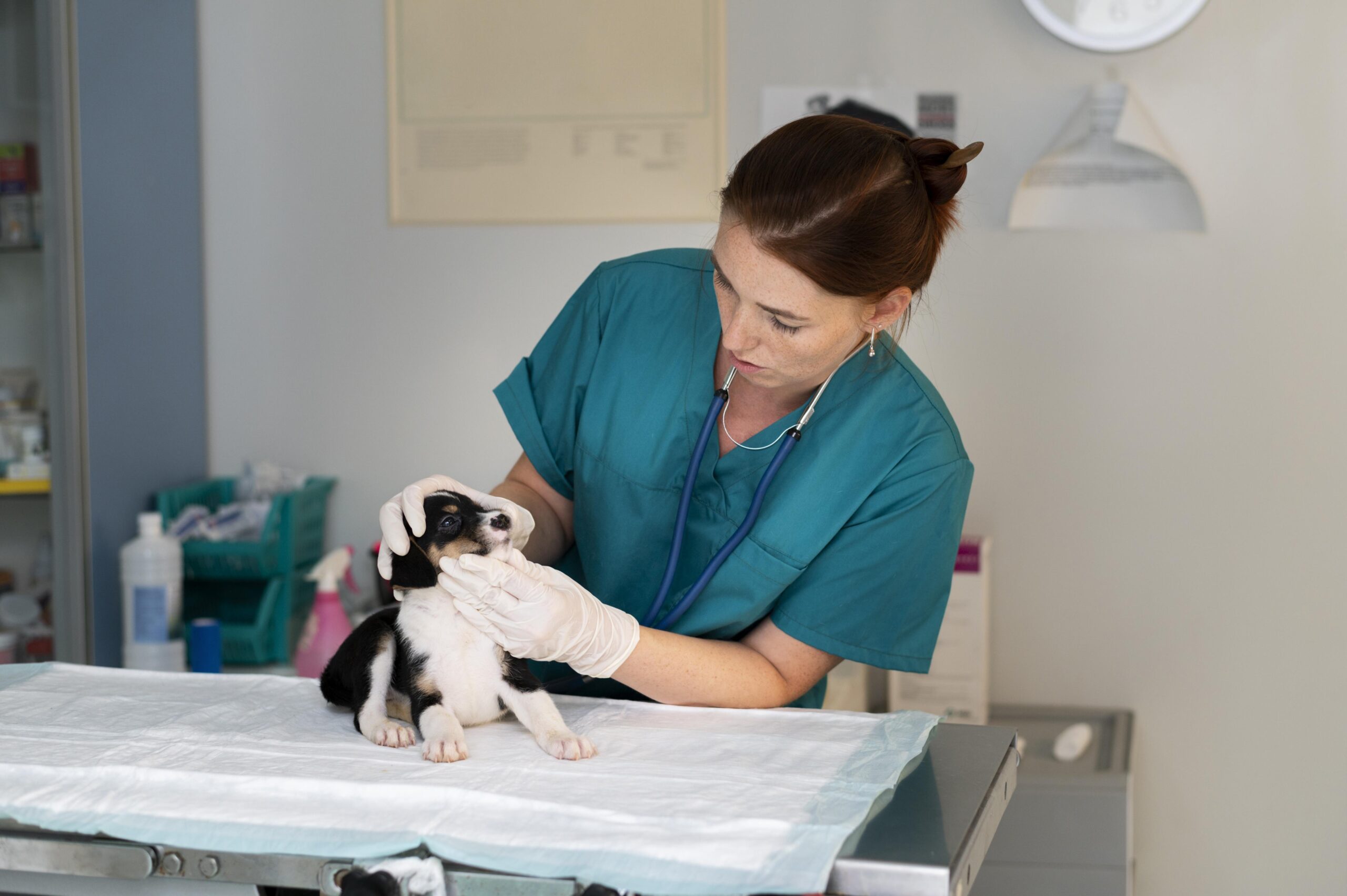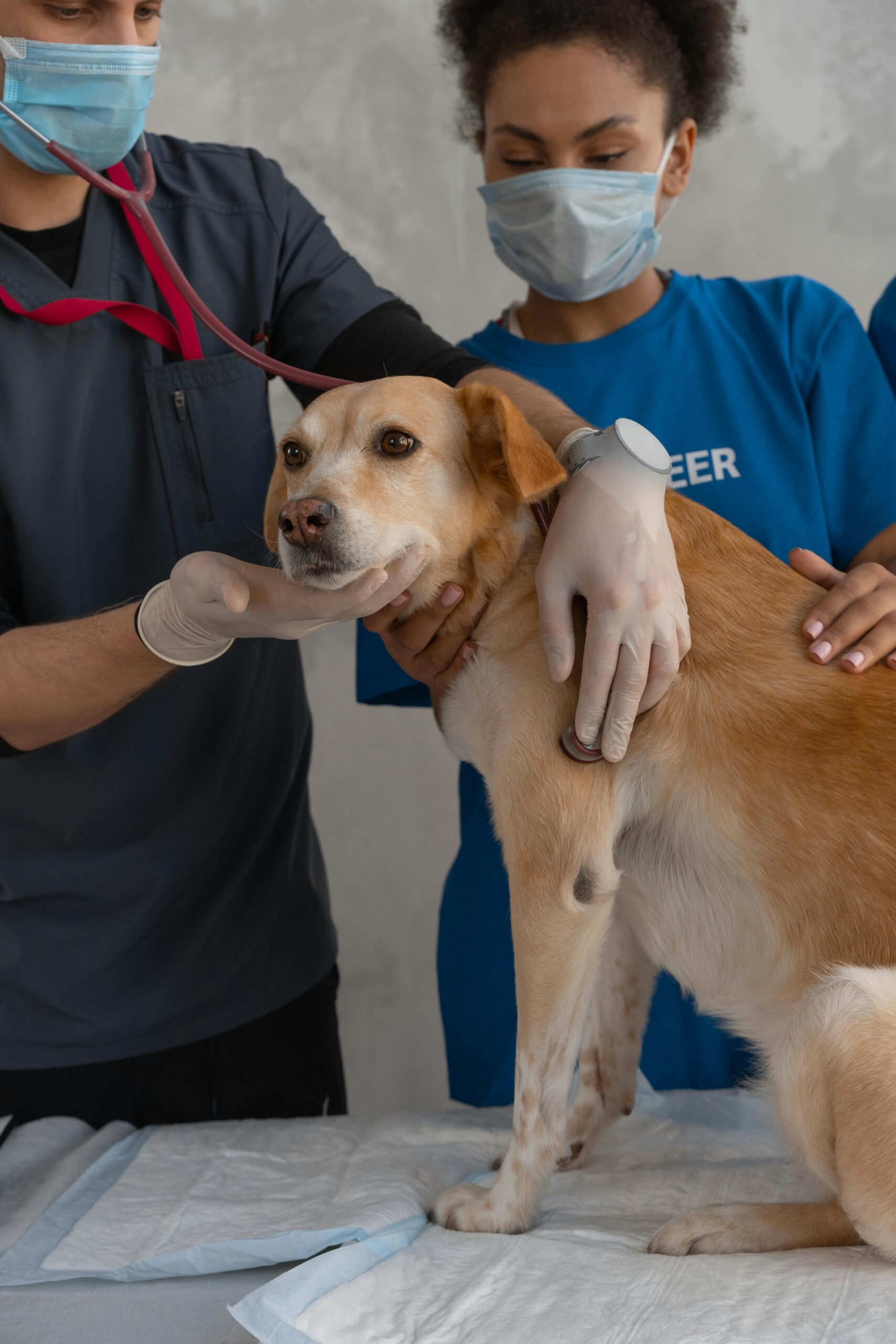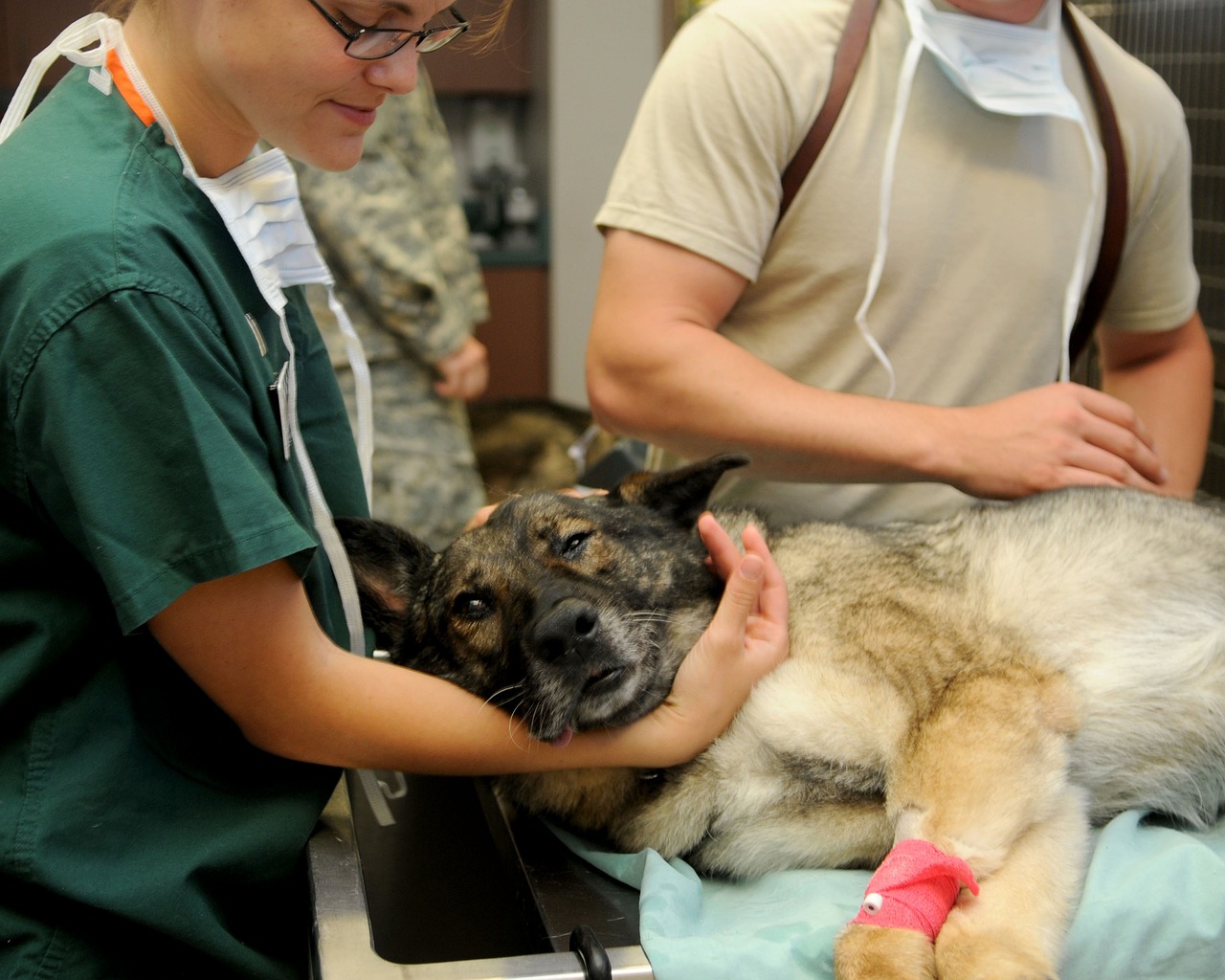
Rhode Island is moving forward with legislation to formalize telehealth services in veterinary care, enhancing pet health access. This initiative, proposed by Rep. Celia M. Baccei, aims to expand the current framework of veterinary services through technology. The accelerating pace of this legislation highlights the growing demand for remote care solutions in the veterinary field.
Understanding the Importance of Telehealth in Veterinary Care
As pet owners increasingly seek convenient avenues for healthcare, telehealth in veterinary clinics presents an essential option. Veterinarians can provide consultations, follow-ups, and preventive care remotely. This is particularly beneficial for general practice veterinarians, urgent care veterinarians, and those focusing on community medicine. Telehealth not only allows for immediate access to veterinary expertise but also improves the overall efficiency of clinic operations.
However, the implementation of telehealth does not come without challenges. Regulatory frameworks must adapt to include guidelines that ensure quality and safety. For example, how will veterinarians meet the legal requirements for patient evaluations through telehealth? Moreover, what standards will be established to protect patient data during virtual consultations? Addressing these questions is crucial for practice owners and managers.
Opportunities and Challenges in Telehealth Adoption
One of the significant challenges for veterinary clinics involves formalizing telehealth regulations. Veterinary practice owners need regulatory guidance to navigate the legislation effectively. These regulations may vary, affecting various roles, such as emergency veterinarians and mixed animal veterinarians who deal with urgent cases. Implementing telehealth solutions requires understanding the nuances of these regulations to ensure compliance.
- Increased Accessibility: Pet owners in rural areas benefit more from remote services.
- Timely Interventions: Urgent care veterinarians can provide quicker assessments.
- Operational Efficiency: Clinics can optimize appointment scheduling with telehealth services.
- Cost-Effectiveness: Reduces unnecessary in-clinic visits for minor health queries.
Preparing for Legislative Changes
Veterinary clinics in Rhode Island must prepare for these upcoming changes by understanding the implications of the proposed telehealth legislation. Positive outcomes include enhanced communication between veterinarians and pet owners, especially for shelter veterinarians and food animal veterinarians who may encounter diverse challenges in their practice. As a result, collaboration within the veterinary industry can improve overall care delivery.
What steps should veterinary clinics take? Firstly, practice owners should educate their teams about the specifics of telehealth regulations. Secondly, clinics must invest in training staff to utilize telehealth technologies effectively. Thirdly, developing patient protocols that incorporate telehealth consultations will streamline processes. These proactive measures will position clinics to adapt to new legislative frameworks confidently.
The Future of Veterinary Telehealth
The future of veterinary care in Rhode Island looks promising with the advancement of telehealth services. By embracing this trend, veterinarians can enhance patient care and improve clinic operations significantly. As the industry evolves, keeping up with regulatory changes, and understanding the benefits of telemedicine will be essential for maintaining a competitive edge.
Ultimately, the successful integration of telehealth relies on collaboration among veterinarians, practice owners, and lawmakers. By working together, we can develop a framework that supports the growing demand for innovative solutions in veterinary care.
As these changes unfold, consider Pulivarthi Group as a valuable partner. We connect veterinary clinics with hard-to-find talent, including Associate Veterinarians, General Practice Veterinarians, and specialists. Our focus is to help your clinic navigate these evolving challenges while ensuring high-quality care for pets.