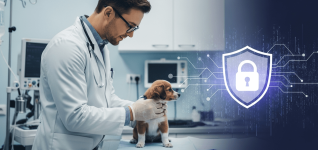
In the ever-evolving landscape of healthcare, where technology and patient needs intersect, the role of nurses has expanded dramatically. Not only are they the backbone of patient care, but they are increasingly becoming crucial stewards of patient privacy and cybersecurity. With recent data breaches in 2023 highlighting vulnerabilities within healthcare systems, it’s imperative that nurses are equipped to navigate these emerging challenges. This article delves into the pivotal role nurses play in safeguarding patient privacy and offers actionable strategies to enhance cybersecurity awareness in their daily practice.
Understanding Patient Privacy in Healthcare
Patient privacy refers to the right of patients to control access to their personal health information. As custodians of sensitive data, nurses have a duty to ensure that protected health information (PHI) remains confidential. This not only fosters trust between patients and their caregivers but also complies with regulatory frameworks such as HIPAA (Health Insurance Portability and Accountability Act).
The Threat Landscape: Recent Breaches and Cyber Risks
- In 2023, approximately 45% of healthcare organizations reported data breaches affecting sensitive patient information.
- Cyberattacks, including phishing and ransomware, have surged by 30% in the healthcare sector.
- Over 20 million patient records have been compromised this year alone.
These alarming statistics underline the critical need for healthcare professionals, particularly nurses, to adopt a proactive approach in strengthening cybersecurity protocols. Below, we discuss common threats and strategies to mitigate them.
Common Cybersecurity Threats Nurses Face
- Phishing Attacks: Fraudulent emails designed to trick recipients into revealing sensitive information.
- Ransomware: Malicious software that encrypts data and demands payment for access.
- Unauthorized Access: Instances where individuals gain access to PHI without proper authorization.
How Nurses Can Enhance Cybersecurity Awareness
Nurses can implement several habits and practices to enhance patient privacy and cybersecurity within their healthcare settings. Here are some actionable strategies:
1. Regular Training and Education
Engaging in continuous training on cybersecurity practices is essential. Understanding the latest threats and preventive measures empowers nurses to act decisively. Many healthcare organizations offer regular workshops and e-learning modules to keep staff updated on best practices in cybersecurity.
2. Secure Communication
When discussing patient information, use secure channels only. Avoid using personal emails or unencrypted messaging applications for sharing PHI. Instead, utilize secure healthcare communication platforms that are HIPAA-compliant.
3. Awareness of Phishing Attacks
Nurses should remain vigilant against phishing attempts. Recognizing suspicious emails, verifying the sender’s identity, and reporting potential phishing attempts to IT departments can significantly reduce the risk of breaches.
4. Strong Password Practices
A strong password is a frontline defense against unauthorized access. Nurses should implement and regularly update complex passwords and consider using password management tools for additional security. This is vital especially for accessing electronic health records (EHRs).
5. Physical Security Measures
Nurses often work in environments where patients are mobile. Ensuring that computers that access PHI are logged out when unattended is essential. Additionally, investing in secure file cabinets for paper records can provide another layer of protection.
6. Reporting and Feedback Mechanisms
Establish open channels for reporting cybersecurity incidents and near misses. Nurses should be encouraged to provide feedback and raise concerns regarding cybersecurity practices, which can help identify vulnerabilities before they result in breaches.
7. Familiarity with Regulations and Policies
Understanding healthcare regulations regarding patient privacy and data security is crucial. Nurses should be well-versed in organizational policies around PHI, ensuring they are compliant and understand the implications of any breach.
Collaborating with IT and Cybersecurity Teams
Building relationships with IT and cybersecurity personnel can enhance a nurse’s understanding of current practices and tools available. Collaborating with experts not only encourages knowledge sharing but also improves incident response plans in case of a data breach.
Conclusion
The evolving role of nurses in maintaining patient privacy and cybersecurity cannot be overstated. By implementing these practical strategies, nurses can significantly impact their organization’s overall cybersecurity posture. The healthcare sector faces immense challenges, from phishing attacks to ransomware; however, proactive engagement and continuous education can mitigate these risks effectively. As frontline defenders of patient privacy, nurses must harness their unique position to champion cybersecurity within their organizations.