The veterinary industry is facing an urgent challenge as the threat of screwworm infestation to livestock and pets grows, particularly in the border regions between the United States and Brazil. New developments in screwworm treatment are emerging from Brazil, bringing hope to veterinarians and clinical teams. This blog post delves into the significance of these treatments and their implications for veterinary clinics and animal health professionals.
Understanding Screwworm Infestation
Screwworms, particularly the New World screwworm (Cochliomyia hominivorax), pose a significant risk to both livestock and pets. These parasites can cause severe tissue damage and can be lethal if not treated promptly. Recent outbreaks in the southern U.S. highlight the need for immediate actions and effective treatments. With cases rapidly approaching the U.S.-Brazil border, veterinary clinics must be prepared to combat this imminent threat.
The Role of Veterinary Clinics in Management
Veterinarians, especially those working in general practice and emergency settings, play a vital role in identifying and managing screwworm infestations. Effective patient care begins with education. Clinicians can engage livestock owners, emphasizing preventive measures against infestation. Additionally, clinics should ensure that staff is trained in assessing wound management and recognizing early signs of infection.
- Who is affected by screwworms? Livestock—especially cattle and sheep—and pets are susceptible to these infections.
- What are the symptoms? Symptoms include irritation around wounds, excessive licking, and in some cases, systemic illness.
- How can veterinarians prepare? By updating protocols and stocking appropriate treatments from Brazil.
Introducing New Treatment Protocols
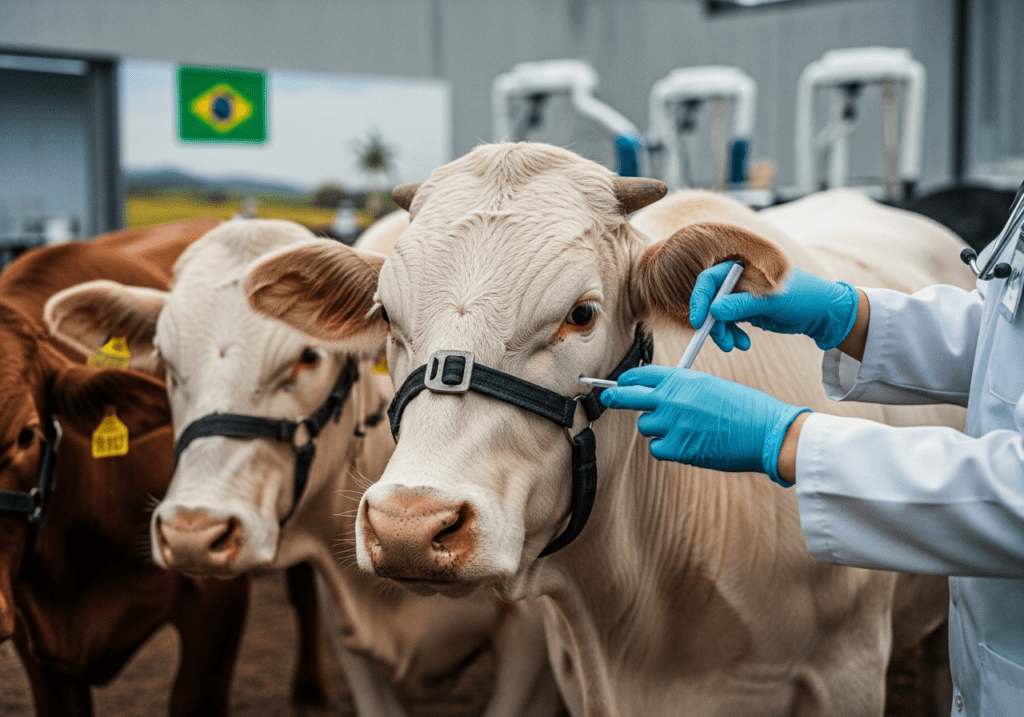
The new screwworm treatment from Brazil involves novel compounds that have shown promise in clinical trials. These treatments act quickly to eliminate larvae and improve tissue healing. For veterinarians specializing in mixed animal and food animal practice, this development is crucial. It allows for more effective intervention strategies in livestock management and welfare.
Veterinary internal medicine specialists can play a pivotal role in assessing the broader health impact of screwworm infestations on animal populations. Their expertise will be vital in managing complex cases, ensuring that livestock and pets receive optimal care during treatment.
Operational Efficiency and Team Training
Operational efficiency in veterinary clinics will be challenged as new screwworm cases arise. Clinics must prioritize workflow adjustments to accommodate additional consultations and treatments. In urgent and emergency care settings, clear communication and task delegation among staff can streamline processes. For instance, clinics can implement triage systems to prioritize patients based on the urgency of their conditions.
Regular training updates for clinical staff can ensure familiarity with new treatment protocols. This preparation not only enhances patient care but also increases overall clinic confidence and readiness in addressing screwworm cases.
Industry Trends and Workforce Realities
The veterinary workforce is evolving as clinics adapt to emerging threats like screwworm infestations. Many clinics, especially those in areas near high-risk zones, are observing increased demand for veterinarians with specialized training in emergency and critical care. This trend can create challenges in staffing, making it more essential for practice owners to align their hiring strategies with the evolving landscape of veterinary medicine.
Furthermore, shelter veterinarians and community medicine vets also have responsibilities in educating the public about preventing infestations. Their work is crucial in controlling outbreaks through community engagement and strategic preventive measures.
Conclusion
As the veterinary industry prepares for the introduction of new screwworm treatment options from Brazil, clinics must stay informed and proactive. This timely intervention can make a significant difference in safeguarding the health of livestock and pets alike. At Pulivarthi Group, we understand the challenges veterinary clinics face in accessing the right talent to navigate these complexities. Our role as a staffing partner helps veterinary practices secure hard-to-find professionals across all specialties, ensuring your clinic remains prepared and effective in managing emerging health threats.