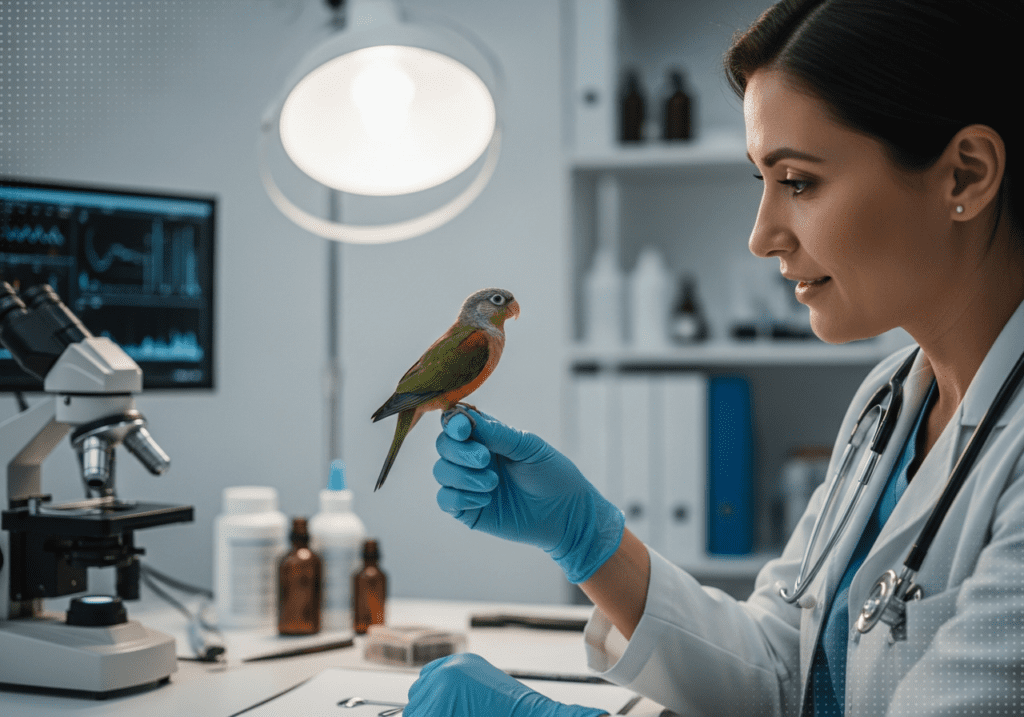
Avian emergencies present unique challenges for veterinary clinics, particularly because many pet owners may not recognize the signs of distress in birds. Understanding avian emergencies is essential for veterinarians, clinical staff, and pet bird owners. Prompt intervention often dictates the outcome. Therefore, it is important to educate both veterinary teams and bird owners on how to identify and manage these critical situations effectively.
Common Avian Emergencies
Avian emergencies can range in severity, and certain signs may indicate a need for immediate veterinary attention. Common emergencies include:
- Respiratory distress, including open-mouth breathing
- Severe lethargy or unresponsiveness
- Trauma from falls or accidents
- Seizures or neurological issues
- Sudden changes in appetite or drinking behavior
By being aware of these symptoms, veterinarians can quickly assess the situation when an owner brings in a bird exhibiting any of these signs. In urgent care and emergency roles, recognizing these conditions becomes even more critical. For example, urgent care veterinarians may encounter pets with respiratory issues, where immediate oxygen support can make a significant difference in survival rates.
Identifying Specific Conditions
When dealing with avian emergencies, it is essential to identify the underlying causes. For instance, respiratory distress may result from various issues, including infections or foreign bodies. To diagnose effectively, emergency veterinarians should undertake a thorough physical examination and perhaps employ diagnostic tools like radiographs, which can aid in visualizing internal structures.
Moreover, the skills of specialists in veterinary internal medicine become invaluable during these situations. A board-certified veterinary internal medicine specialist can further investigate complex cases where conventional treatments fail. Their expertise often leads to refined approaches to handling difficult avian emergencies.
Operational Efficiency in Avian Care
Operational efficiency is key when dealing with emergencies in a veterinary practice. An organized triage system can help ensure prompt treatment of avian emergencies. For instance, establishing protocols for assessing avian patients upon arrival allows staff to prioritize care effectively. This practice is particularly crucial for emergency and critical care veterinarians, who must work under high pressure to stabilize patients.
Training staff to recognize avian emergencies and implement these protocols can enhance overall clinic operations. Establishing regular training sessions can help improve team confidence and response times. Furthermore, using technology such as electronic medical records and easy access to treatment guidelines can streamline care during critical moments.
Continuing Education and Community Engagement
Ongoing education is vital for all veterinary professionals involved in avian care. Regular seminars and workshops can deepen understanding of current trends and best practices related to avian emergencies. In addition, engaging with bird owner communities can promote awareness about recognizing emergencies early. By providing information, including checklists for owners, clinics can foster higher rates of early intervention.
Collaborating with veterinarians specializing in community medicine can further extend outreach efforts, helping ensure that pet birds receive timely care. Knowledge sharing within communities can build trust and break down barriers, encouraging bird owners to seek veterinary assistance sooner rather than later.
Conclusion
In conclusion, understanding avian emergencies is paramount for veterinary clinics, especially those with a dedicated avian practice. By developing clear protocols, enhancing staff education, and fostering community engagement, veterinary teams can significantly improve outcomes for pet birds during emergencies. The Pulivarthi Group is committed to supporting veterinary clinics in accessing the hard-to-find talent necessary for effective avian care. Whether you need an Associate Veterinarian, Urgent Care Veterinarian, or an Internal Medicine Specialist, we are here to help you build a strong team that can manage the complexities of avian emergencies proficiently.