In the dynamic field of veterinary care, innovations in veterinary medicine drive both clinical practice and patient outcomes. The continual evolution of medical technologies, diagnostic methods, and treatment protocols significantly influence how veterinary clinics operate. This blog explores the latest advancements, focusing on their implications for various roles within veterinary medicine, including General Practice Veterinarians, Emergency Veterinarians, and Veterinary Internal Medicine Specialists.
Recent Innovations Transforming Veterinary Practices
Innovations in veterinary medicine span a wide range of areas, from telemedicine to advanced surgical techniques. For instance, telemedicine has surged in popularity due to its convenience and efficiency. Many clinics now offer virtual consultations, allowing for prompt triage and follow-up care. This method proves particularly beneficial for urgent care and emergency veterinarians, who handle critical situations and need to make swift decisions.
Additionally, advancements in imaging technology, such as MRI and CT scans, have enhanced diagnostic accuracy. These tools provide critical insights, allowing Veterinary Internal Medicine Specialists to formulate effective treatment plans. As a result, patients receive better-targeted therapies that can lead to faster recovery times.
Addressing Key Challenges in Veterinary Clinics
As veterinary practices integrate these innovations, they face several challenges. For example, the need for ongoing staff training can strain resources. Associate Veterinarians and General Practice Veterinarians often require updated knowledge to effectively use new technologies. Therefore, clinics must implement robust training programs to ensure that all team members are comfortable with innovative tools and techniques.
Moreover, there is a constant pressure to maintain high standards of patient care while managing operational efficiencies. Mixed Animal Veterinarians and Food Animal Veterinarians, specifically, encounter unique challenges due to their diverse patient demographics. Streamlined workflows that incorporate technological advancements can help address these issues, ensuring effective patient management across a variety of species.
Industry Trends: A Look Ahead
The future of veterinary medicine is poised for even more innovation. Personalized medicine, similar to trends in human healthcare, is likely to gain traction. This approach will allow veterinarians to tailor treatments based on individual patient needs, improving outcomes across the board, from urgent care settings to critical care environments.
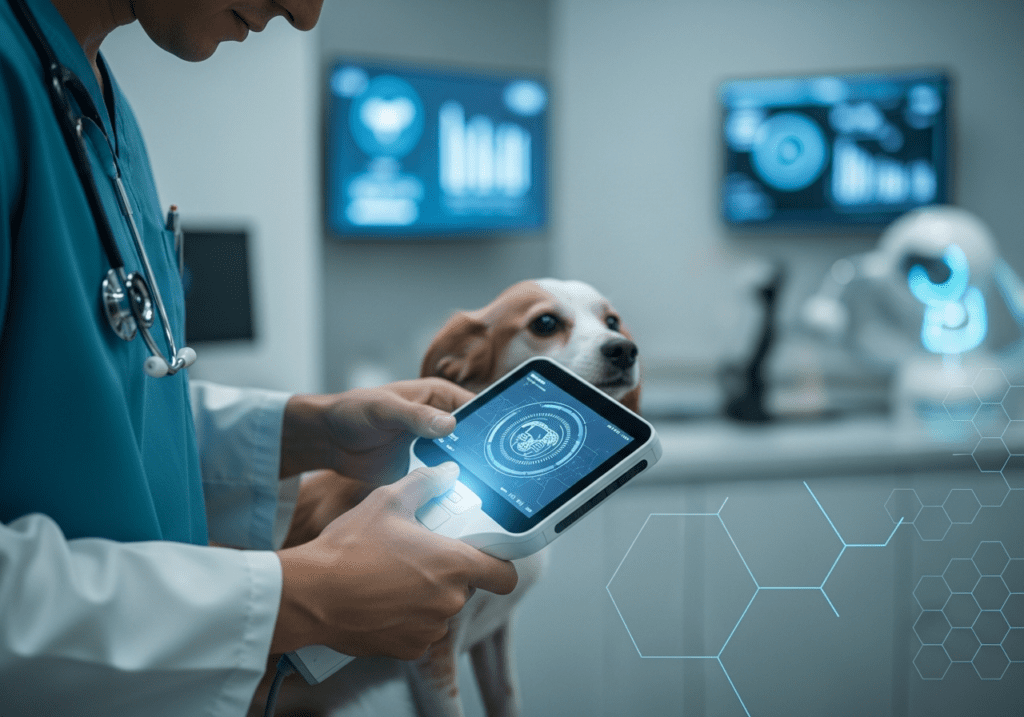
Another notable trend is the incorporation of artificial intelligence in diagnostics and treatment planning. AI-powered tools can analyze vast amounts of data quickly. For example, Emergency Veterinarians could leverage AI to assess case histories and recommend protocols based on similar cases. As these technologies mature, the role of the veterinarian will evolve, focusing on case interpretation and client communication.
The Importance of Collaboration and Adaptation
To fully leverage these innovations, collaboration within the veterinary team is paramount. Shelter Veterinarians and Community Medicine Veterinarians, for instance, can provide valuable insights into adopting best practices that address public health concerns. Open communication and teamwork will foster an environment conducive to change and adaptation.
As all veterinarians incorporate the latest scientific advancements into their practices, they must remember the importance of compassion in patient care. Innovations in animal healthcare should enhance, not replace, the veterinarian’s role in nurturing the human-animal bond. This balance is essential for maintaining trust with pet owners and ensuring optimal care for their beloved animals.
Conclusion
As the veterinary industry evolves, the relevance of innovations in veterinary medicine cannot be overstated. From enhanced diagnostics to new treatment modalities, these advancements help clinics improve patient care and operational efficiency. As veterinary practices navigate these changes, partnering with a staffing agency like Pulivarthi Group can provide access to skilled professionals across various specialties. Whether you need Associate Veterinarians, Emergency Veterinarians, or Veterinary Internal Medicine Specialists, Pulivarthi Group is dedicated to supporting your clinic’s growth and success.