Understanding Ophthalmic Pharmacology in Veterinary Practice
In the realm of veterinary medicine, veterinary ophthalmic pharmacology plays a critical role in managing common eye diseases. Conditions such as dry eye disease, glaucoma, and uveitis require well-informed treatment strategies. These strategies depend on the appropriate choice of medications, which can significantly impact patient outcomes. Understanding the pharmacology behind these treatments is essential for veterinarians aiming to provide optimal care.
Key Ophthalmic Conditions and Their Treatments
Several common ophthalmic conditions necessitate pharmacological intervention. Below are key conditions and potential treatment options:
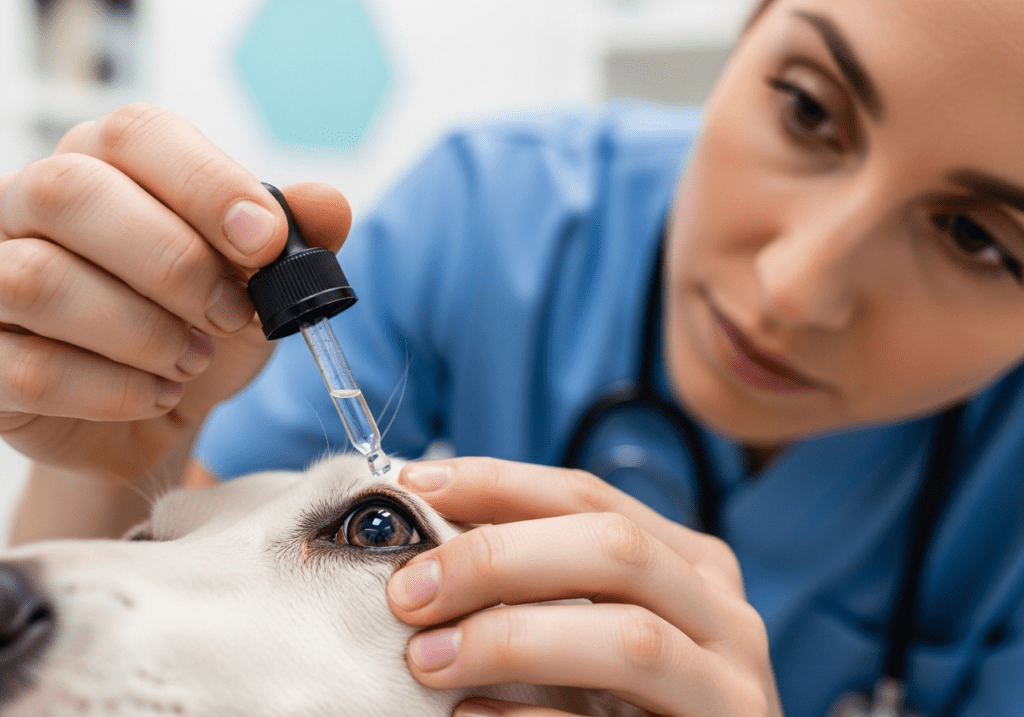
- Dry Eye Disease: This condition, characterized by insufficient tear production, can be managed with medications such as cyclosporine A and tacrolimus. These drugs promote tear production and reduce inflammation.
- Glaucoma: Treatments often include topical medications like prostaglandin analogs (e.g., latanoprost) and carbonic anhydrase inhibitors (e.g., dorzolamide) to reduce intraocular pressure.
- Uveitis: Corticosteroids are frequently utilized to manage inflammation associated with uveitis. Timely intervention is crucial to prevent complications.
- Corneal Ulcers: Treatment may involve topical antibiotics and atropine. These help manage pain and prevent infection, thereby facilitating healing.
Challenges in Choosing Appropriate Medications
Selecting the right medication for ophthalmic diseases poses challenges for veterinarians. Factors include the severity of the condition, the animal’s overall health, and potential side effects of the chosen treatments. In busy practices, especially those managing emergency or urgent care cases, time constraints may impact decision-making.
For example, an Urgent Care Veterinarian may encounter a dog presenting with acute glaucoma. Rapid assessment and decision-making are essential. Consequently, familiarity with the latest pharmacological options becomes crucial in such high-pressure situations.
Collaboration with Veterinary Internal Medicine Specialists
For particularly complex cases, involving a Board-Certified Veterinary Internal Medicine Specialist (DACVIM) can enhance treatment efficacy. Specialists bring advanced knowledge about pharmaceuticals and can suggest tailored treatment plans. This collaboration can be beneficial for various conditions, thus improving patient care outcomes.
Staying Informed About New Trends in Ophthalmic Medications
The veterinary industry constantly evolves, introducing novel medications and therapies. Staying updated on these advancements is vital for veterinarians across all roles, including Shelter Veterinarians and Community Medicine Veterinarians. Conferences, peer-reviewed journals, and workshops offer excellent platforms for learning. As an example, innovative treatment protocols for diseases like feline herpesvirus-induced conjunctivitis are emerging, emphasizing the need for ongoing education.
The Importance of Team Approach in Patient Care
Efficient patient management often requires a team approach. Associates, practice owners, and clinical staff should communicate openly about treatment protocols. Each team member can contribute insights that enhance overall patient care. For instance, a Mixed Animal Veterinarian may have different treatment experiences that can inform decisions in non-traditional cases.
Conclusion
In managing common veterinary ophthalmic diseases, understanding veterinary ophthalmic pharmacology is vital for effective treatment. By choosing appropriate medications and collaborating with specialists, veterinary clinics can enhance their patient care. The Pulivarthi Group is here to support your practice with access to skilled professionals. Whether you need an Associate Veterinarian, an Emergency Veterinarian, or Veterinary Internal Medicine Specialists, we can help you find the talent that fits your clinic’s needs. Together, we can improve outcomes for our patients.