Recent research on cancer genes in cats unveils significant similarities between feline cancer and human cancers. This knowledge marks a pivotal moment for veterinary clinics and professionals dedicated to enhancing patient care and treatment strategies. For veterinarians, understanding the genetic landscape can improve the outcomes for both feline patients and their owners. Here, we delve into the implications of cancer genetics specific to cats, providing actionable insights for veterinary practices.
Understanding Feline Cancer Genetics
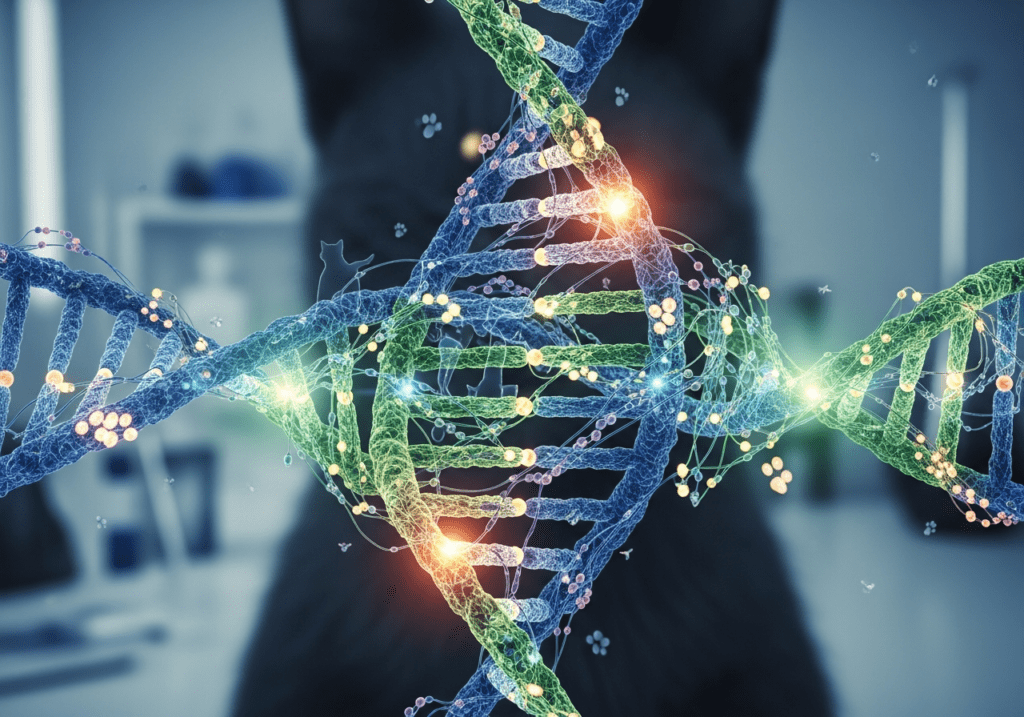
The study of cancer genetics in cats reveals that specific genes frequently implicated in human cancers are also present in felines. For example, mutations in the TP53 gene have been implicated in various malignancies. This genetic overlap suggests that insights gained from human oncology could inform feline treatment strategies. Analyzing these mutations facilitates the development of targeted therapies, allowing veterinarians to tailor treatments to individual cats.
Challenges in Clinical Practice
Veterinary professionals face several challenges when addressing cancer in cats. Diagnosing feline cancers often requires specialized testing that may not be readily available in all practices. Furthermore, the limited pool of oncological resources can hinder timely diagnosis and treatment. General practice veterinarians, for instance, must collaborate with veterinary oncologists to manage complex cases, particularly for critical care veterinarians who often deal with advanced disease. Building relationships with specialists can help in formulating effective management plans.
Implications for Treatment Strategies
In light of recent discoveries regarding cancer genes in cats, treatment landscapes are evolving. Clinics can leverage this research to improve patient outcomes through enhanced diagnostic accuracy and therapeutic interventions. For instance, associate veterinarians can benefit from understanding which genetic markers indicate more aggressive disease, allowing them to recommend more aggressive treatment options early. In turn, this not only improves survival rates but also enhances the quality of life for feline patients.
Cross-Species Insights: Human and Feline Cancer
Insights from feline cancer research have significant implications for understanding human oncology as well. The similarities in genetic mutations between species encourage further investigation into cross-species therapies. This collaboration between veterinary and human medicine could open new avenues not only for effective feline cancer management but also for developing shared therapeutic strategies.
The Role of Veterinary Practices in Advancing Research
Veterinary clinics serve as crucial platforms for collecting data on feline cancer. Clinicians can contribute to research efforts by enrolling patients in clinical trials or sharing anonymized case studies with research institutions. Such contributions not only enhance the collective understanding of cancer genetics but also help shape future veterinary oncology practices.
Conclusion
Understanding cancer genetics in cats is crucial for advancing veterinary oncology and improving patient outcomes. As the field continues to evolve, veterinary clinics have the opportunity to reinforce their roles as leaders in feline health. Collaborating with experts and accessing the right talent can enhance service delivery in oncology. Pulivarthi Group stands as a reliable partner for veterinary clinics in this endeavor, helping them find the right specialists from associate veterinarians to board-certified veterinary internal medicine specialists. By ensuring your clinic has the necessary talent, you can focus on delivering exceptional care to your patients.