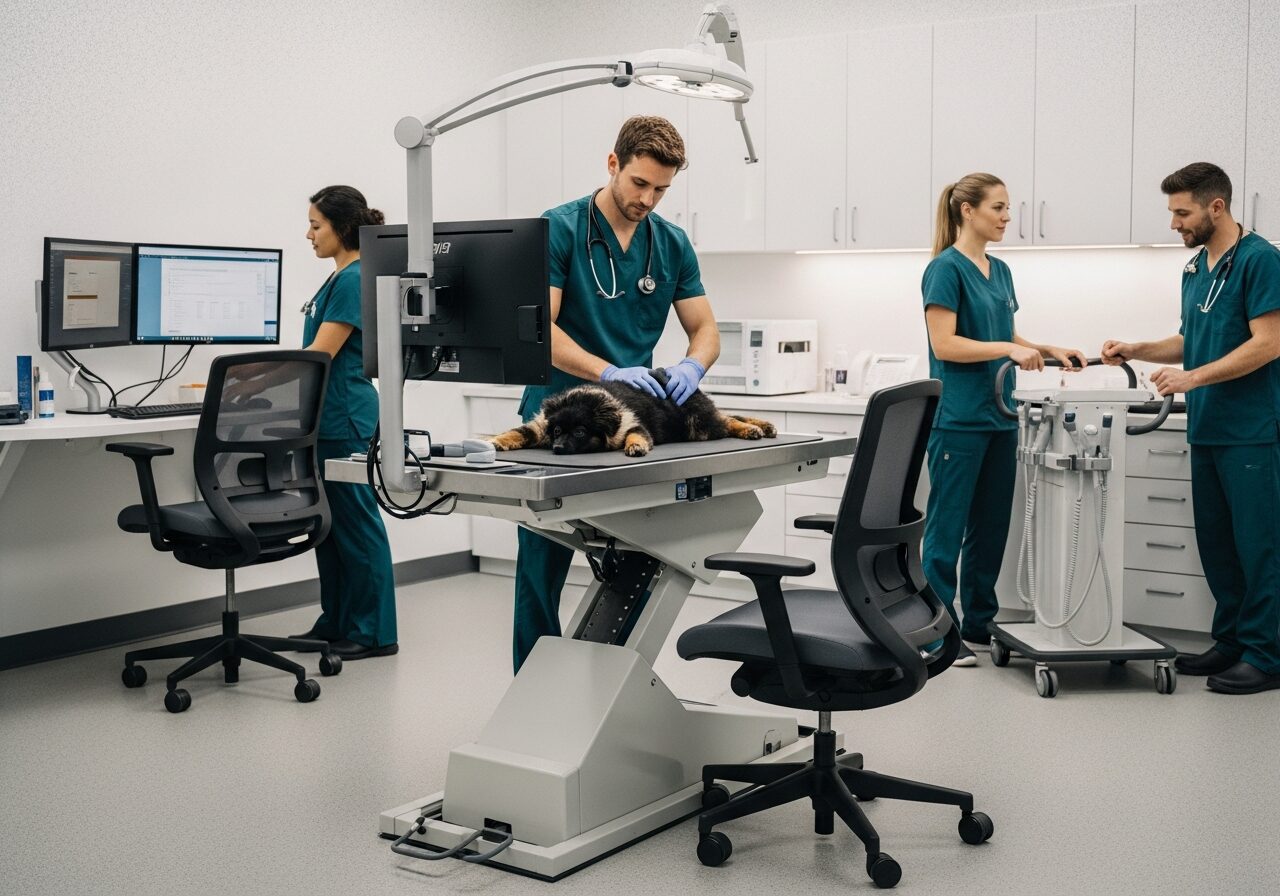
Canine noise aversion and separation anxiety are significant challenges facing veterinary clinics across the EU today. Understanding these conditions is crucial for veterinary professionals, as they impact patient care and operational efficiency. Innovative treatments are emerging, which can enhance the quality of life for affected dogs and improve outcomes in clinical practice.
Understanding Canine Noise Aversion
Canine noise aversion manifests as extreme fear of loud sounds, such as thunderstorms or fireworks. This condition often requires immediate attention from veterinarians, particularly from general practice veterinarians and emergency veterinarians. Symptoms may include hiding, barking excessively, or even aggression. Understanding these behaviors allows for tailored treatment approaches.
- Many dogs do not simply “outgrow” noise aversion; they often require intervention.
- Environmental modifications and training can complement medical treatment.
- Medications and behavioral therapies, such as cognitive behavioral therapy, can be beneficial.
Addressing Separation Anxiety in Dogs
Separation anxiety is another prevalent issue among pets, often resulting in destructive behaviors when the owner is absent. Mixed animal veterinarians and shelter veterinarians encounter this frequently, as many dogs in shelters have experienced trauma associated with abandonment. Effective management is essential for rehoming and improving the animals’ welfare.
- Structured desensitization programs can help dogs gradually adjust to being alone.
- Medications may provide relief and assist the dog in coping with anxiety.
- Collaboration with certified animal behaviorists can yield positive outcomes.
Innovative Veterinary Treatments
Recent advancements in veterinary medicine are transforming how these behavioral issues are approached. For instance, the introduction of new veterinary vaccines targeting anxiety-related conditions has garnered attention. These innovations help veterinarians provide comprehensive solutions for canine anxiety, ensuring better patient care.
Veterinarians must stay informed about these advancements, as they influence clinical decisions and improve operational efficiency. Urgent care veterinarians and critical care veterinarians, who handle cases requiring immediate management, must be adept in these emerging treatment protocols.
Collaboration and Continued Education
Collaboration among veterinary professionals is foundational in tackling canine noise aversion and separation anxiety. Associate veterinarians, general practice veterinarians, and veterinary internal medicine specialists should regularly engage in discussions about best practices. By sharing insights and experiences, practitioners can enhance their approaches to these challenges.
Moreover, continued education through workshops and seminars is crucial. Staying updated with the latest research and treatment methods enables veterinary teams to support pet owners effectively. This comprehensive understanding directly impacts the quality of care that each pet receives.
Conclusion
As veterinary clinics continue to adapt to evolving industry trends, understanding canine noise aversion and separation anxiety remains essential. The veterinary field must embrace innovative solutions and collaborative practices to navigate these challenges successfully. The Pulivarthi Group stands ready to assist veterinary clinics in addressing workforce needs, providing access to skilled professionals across various disciplines. Whether you seek an Associate Veterinarian or a Board-Certified Veterinary Internal Medicine Specialist (DACVIM), Pulivarthi Group is your partner in delivering exceptional care to every patient.