In the world of veterinary care, **separation anxiety** and **noise aversion in pets** stand out as pressing behavioral issues. Both challenges are particularly common among dogs and can significantly impact their quality of life. For veterinary clinics, addressing these issues directly correlates with patient care and overall client satisfaction. Owners are increasingly seeking solutions, making it vital for clinics to be well-equipped in offering effective strategies.
Understanding Noise Aversion and Separation Anxiety
Pets experiencing noise aversion may react disproportionately to certain sounds, including thunder, fireworks, or even household appliances. This reaction often manifests through behaviors such as barking, hiding, or destructive actions. On the other hand, **separation anxiety** occurs when a pet is left alone, resulting in excessive distress, vocalization, and sometimes physical damage to property. Understanding these behaviors is essential as they frequently overlap, with many pets exhibiting symptoms of both when left alone during loud events.
It’s crucial for veterinarians, particularly those in general practice, urgent care, or emergency settings, to recognize and differentiate these conditions. For instance, urgent care veterinarians often encounter heightening behavior issues during peak noise seasons like the Fourth of July or New Year’s Eve, illustrating how these anxieties can manifest in acute situations.
Practical Strategies for Management in Veterinary Clinics
- Client Education: Explain the signs of both conditions to pet owners. Knowledge empowers them to recognize symptoms early.
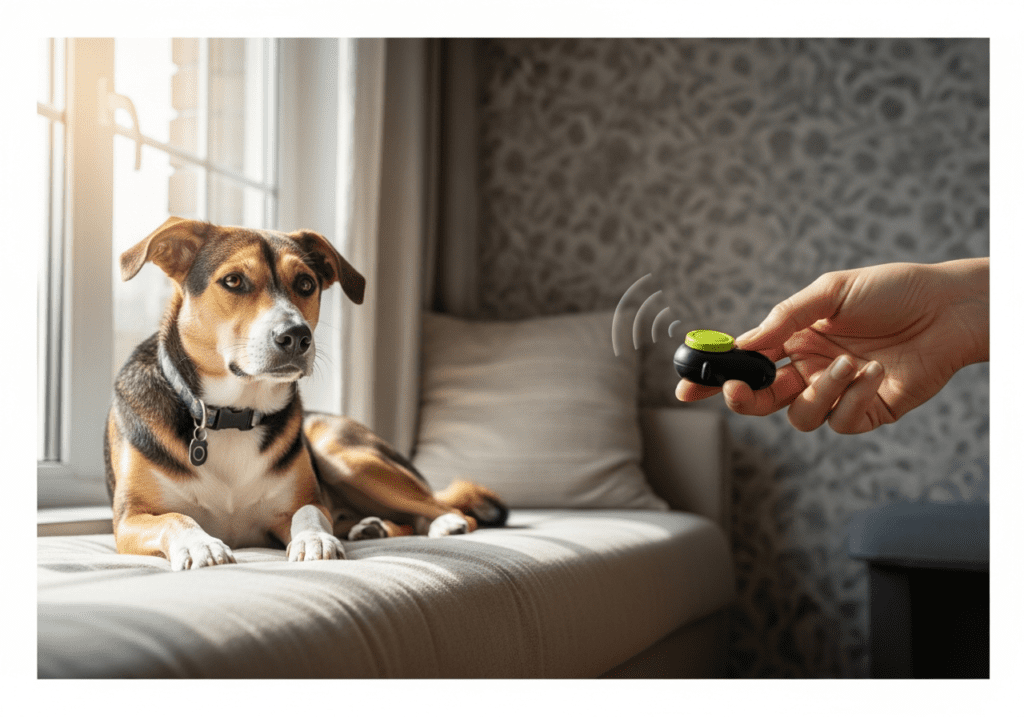
- Behavior Modification: Utilize techniques such as desensitization for animals with noise aversion. Gradual exposure to sounds at low volumes paired with rewards is effective.
- Environmental Management: Create safe spaces for pets to retreat during stressful events. A comfortable, quiet area can alleviate anxiety.
- Medication Assessment: For severe cases, discuss potential pharmaceuticals with clients. A board-certified veterinary internal medicine specialist may help create an effective treatment plan.
Fostering a proactive approach to these challenges not only enhances patient care but also promotes long-term relationships with clients. For practitioners like shelter veterinarians or community medicine veterinarians, the implementation of these strategies can significantly improve adoption rates and the well-being of pets in their care.
Stay Updated on Industry Trends and Solutions
The veterinary industry is continually evolving, with new behavioral research emphasizing the need for clinics to stay abreast of cutting-edge solutions for conditions like separation anxiety. For instance, tools like anxiety wraps and calming pheromones are gaining popularity. Veterinary professionals can recommend these as adjuncts to behavior modification training.
Furthermore, online resources and continuing education programs are invaluable. They offer updated knowledge and alternative treatment strategies relevant to managing **separation anxiety** and **noise aversion in pets**. These programs are beneficial for all veterinary roles but especially for urgent care and emergency veterinarians, who may face these issues in high-pressure situations.
Conclusion
Addressing noise aversion and separation anxiety effectively enhances the quality of life for pets and their owners. By integrating behavioral management strategies into practice, veterinary clinics can create a more supportive environment for anxious pets. The Pulivarthi Group understands the workforce realities that clinics face. We specialize in providing access to hard-to-find talent, including **Associate Veterinarians**, **Emergency Veterinarians**, or specialized roles like **Veterinary Internal Medicine Specialists** (DACVIM). Our goal is to partner with you, ensuring that your clinic has the right professionals on board to address the complexities of veterinary care today.