In veterinary clinics across the United States, effective diagnosis and treatment of tapeworm infections in pets remain ongoing challenges. The primary culprits, cestodes, can significantly impact the health and wellbeing of dogs and cats. Accurate tapeworm identification is critical for managing infections and improving patient outcomes. This blog post delves into how veterinarians can enhance their diagnostic skills regarding these common parasites.
Understanding Cestodes
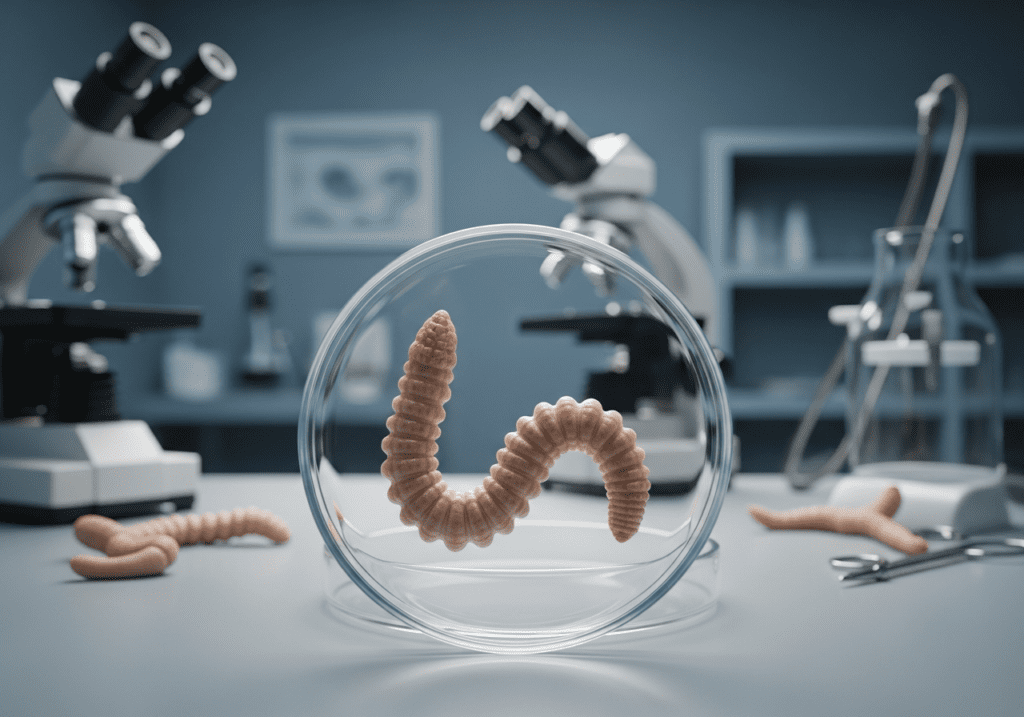
Cestodes, commonly referred to as tapeworms, are flatworms that can infect dogs and cats through the ingestion of infected fleas or contaminated food. The most prevalent types include Dipylidium caninum, Echinococcus granulosus, and Taenia species. Each type has a unique life cycle and method of transmission that veterinarians must understand to provide effective treatment.
Identifying Tapeworms in Pets
One of the main challenges in veterinary practices is the accurate identification of these parasites. Tapeworms often manifest with minimal or nonspecific clinical signs. Common symptoms may include:
- Weight loss despite a normal appetite
- Visible tapeworm segments in feces or around the anal area
- Scooting behavior
Veterinarians must remain vigilant in examining fecal samples under a microscope for the presence of tapeworm eggs. Additionally, the presence of adult tapeworms may be confirmed by a simple visual inspection during routine wellness exams.
Diagnostic Methods and Treatment Approaches
In general practice, it is essential to leverage both traditional and modern veterinary diagnostic methods. If a tapeworm infection is suspected, a direct fecal flotation can be useful in identifying eggs. Moreover, engaging in detailed client discussions can reveal potential exposure risks, such as flea infestations. Client education fosters better identification and management of potential infestations.
Once a diagnosis is established, treatment typically involves deworming medications such as praziquantel or fenbendazole. However, it is equally important to manage the underlying cause, often involving flea treatment to prevent reinfection. This prescriptive approach not only treats the symptom but also addresses potential future risks.
Role-Specific Considerations
For urgent care and emergency veterinarians, the rapid diagnosis and treatment of severe tapeworm infections may present unique challenges. Critical care veterinarians must be prepared to manage cases where the infestation has led to gastrointestinal obstruction or other acute conditions. In such scenarios, swift identification and intervention can be life-saving.
Mixed animal and food animal veterinarians frequently encounter cestodes in rural or farming environments. Proactive measures, such as educating clients on the life cycle and control measures for these parasites, can curtail infections in both pets and livestock.
Staying Ahead of the Trends
As the veterinary industry evolves, staying updated on emerging trends in parasitology is crucial. Continued education and workshops on the latest advancements in diagnostic techniques can equip veterinarians with the necessary tools to deal with cestodes effectively. Collaborating with veterinary internal medicine specialists can also enhance treatment protocols, particularly for severe infections that require specialized care.
Conclusion
In summary, proper identification and treatment of tapeworm infections in dogs and cats are vital to ensuring the health of our pets. As veterinary clinics strive to improve patient care, access to training and educational resources will be key. The Pulivarthi Group stands ready to support veterinary clinics by providing access to experienced professionals, including Associate Veterinarians, Emergency Veterinarians, and specialists in veterinary internal medicine. Together, we can enhance the diagnostic skills necessary to manage tapeworm infections, ensuring better outcomes for our furry friends.