Veterinary clinics are on the front lines of animal health, responding to various challenges that arise in the field. One significant issue that has emerged is the health of honey bees, particularly concerning American foulbrood disease. The recent introduction of a honey bee vaccine is a bright spot in disease prevention. Approved by the USDA in 2022, this groundbreaking solution directly impacts beekeepers and agricultural stakeholders, highlighting the interconnectedness of veterinary medicine and agricultural health.
The Challenge of American Foulbrood Disease
American foulbrood is a bacterial disease that affects honey bee larvae. It poses severe risks to bee populations, endangering their survival and, consequently, the broader ecosystem. Veterinarians must understand the implications of this disease, especially how it influences pollination and agriculture. Practices deeply involved in livestock and crop production must be proactive in monitoring bee health.
Clinics that focus on community medicine and food animal health play a critical role. They often have the resources to engage with beekeepers, thus fostering collaborations that could enhance bee health initiatives. By understanding the ramifications of American foulbrood, these professionals can advocate for practices that support sustainable beekeeping.
Implications of the Honey Bee Vaccine
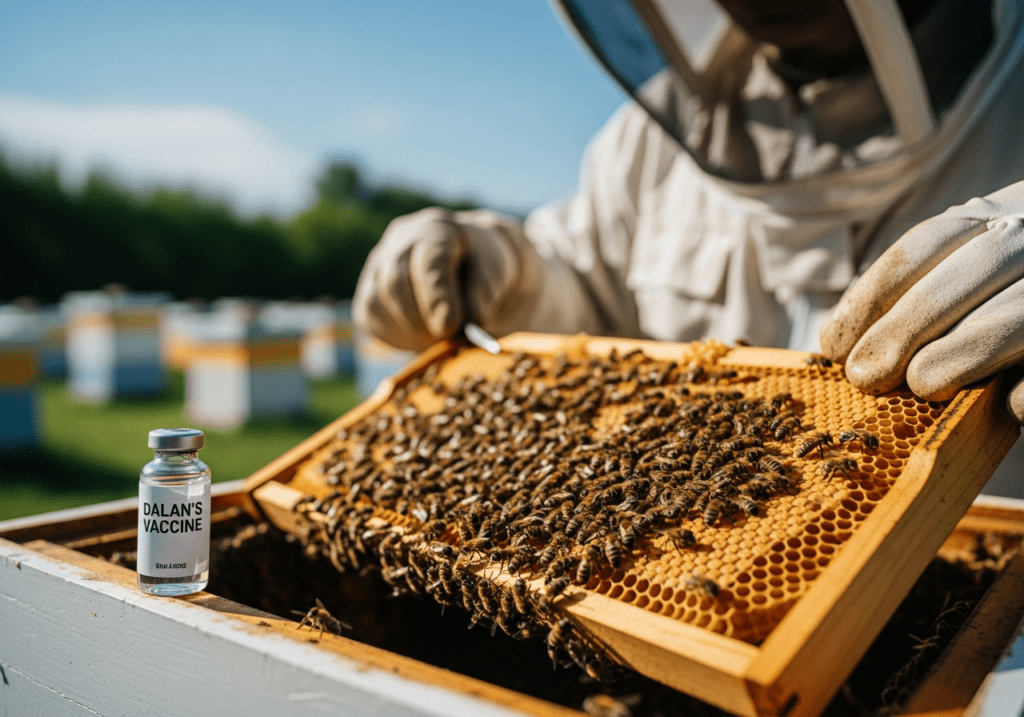
The newly approved honey bee vaccine, developed by Dalan Animal Health, offers a preventive measure against American foulbrood. This vaccine marks a significant advancement in veterinary medicine. Associate veterinarians and general practice veterinarians, especially, should consider educating their clients about this innovative solution. The vaccine can reduce the incidence of this debilitating disease, thereby enhancing colony health and productivity.
- What is the effectiveness of the honey bee vaccine?
- How can veterinary clinics support beekeepers in implementing this vaccine?
- Who should administer the vaccine to honey bees?
- Why is it essential for veterinarians to understand bee diseases?
- When should beekeepers vaccinate their colonies?
The introduction of this vaccine could lead to fewer emergencies related to bee health crises, making it a vital tool not just for beekeepers but also for emergency veterinarians. These professionals often engage in rapid response situations that require immediate action to protect large populations of bees. By incorporating this vaccine into their offerings, veterinary clinics can not only enhance their service range but also contribute positively to overall community health.
Future Directions and Training Needs
As the veterinary landscape continues to evolve, staying informed about breakthroughs such as the honey bee vaccine becomes crucial. Veterinary clinics must enhance their educational resources, providing training sessions and informative materials for their teams. This ensures veterinarians from various specialties—including mixed animal, urgent care, and emergency veterinarians—remain knowledgeable about cross-species diseases and preventative measures.
Moreover, practical workshops involving local beekeepers can facilitate hands-on learning. These engagements can help veterinarians understand bee behavior, health monitoring, and best practices in vaccination protocols. The collaborative effort with the beekeeping community can cultivate a robust network dedicated to promoting bee health.
Conclusion
The approval of the honey bee vaccine to combat American foulbrood disease is a significant milestone in veterinary science. By engaging with this advancement, veterinary clinics can enhance their services while contributing to broader agricultural and environmental health. At Pulivarthi Group, we recognize the importance of having skilled veterinarians who can support initiatives like these. Our staffing solutions help veterinary clinics access hard-to-find talent across various roles, including those specialized in community, food animal, and internal medicine. Partner with us to ensure your practice remains at the forefront of veterinary care, ready to tackle emerging challenges like American foulbrood.