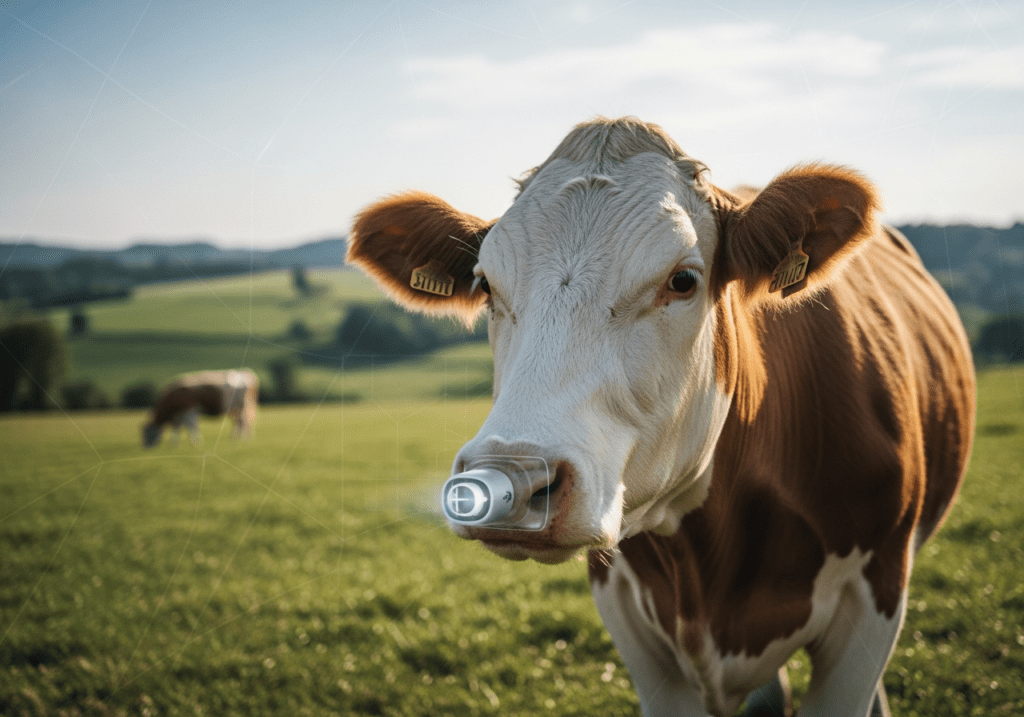
Methane emissions from cattle burps present a significant challenge in the veterinary industry. As a veterinary professional, understanding their implications can lead to effective strategies for managing livestock health while addressing environmental impact.
Understanding the Science Behind Methane Emissions
Methane produced by cattle during digestion significantly contributes to global greenhouse gas emissions. This occurs primarily when cattle ferment food in their stomachs, leading to gas buildup, which is expelled through burping. Recent research highlights previously unknown organelles in cattle’s gut microbes that may play a crucial role in regulating methane levels. Understanding these new organelles could be vital for developing targeted interventions aimed at reducing methane emissions.
Implications for Veterinary Clinics and Livestock Management
Veterinarians, especially those focused on food animal practices, must stay informed on methane emissions and their management. The ability to provide guidance on livestock feed optimization, health care, and overall management can influence emissions levels. For instance, incorporating dietary changes, such as higher-quality forage, can reduce methane production during digestion.
- Veterinarians should assess the nutritional quality of feed.
- Introduce feed additives that can inhibit methane production.
- Encourage farmers to adopt integrated management practices that consider both health and emissions.
Trends in Methane Control Strategies
Current trends in addressing methane emissions emphasize innovative solutions, such as breeding livestock for lower emissions and employing new technologies in managing cattle diets. These strategies not only aim to minimize environmental impact but also enhance overall animal health, making them a win-win for veterinary practices and livestock farmers.
The Role of Veterinary Professionals in Mitigating Methane Emissions
Veterinary internal medicine specialists, particularly, can offer advanced insights into managing the health of livestock. Their expertise can guide practice owners on effective ways to mitigate methane emissions while ensuring optimal animal care. Community medicine veterinarians can collaborate with mixed animal veterinarians to foster practices that promote sustainability in livestock management.
Looking Ahead: The Future of Cattle Emission Control
As the urgency to combat climate change intensifies, proactive measures to reduce cattle emissions become imperative. Veterinary clinics can play a pivotal role in this effort. By forming partnerships with agricultural scientists and adopting emerging research, clinics can influence livestock management practices. This holistic approach ensures improved animal health while addressing critical environmental concerns.
Conclusion
As methane emissions in cattle remain a pressing issue, veterinarians and clinical staff must adapt to these challenges. By integrating new research and practical strategies into daily practices, veterinary clinics can lead the way in sustainable livestock management. The Pulivarthi Group stands ready to support your clinic’s staffing needs, connecting you with qualified veterinary professionals across diverse specialties. Together, we can improve patient care while addressing critical environmental realities in the veterinary field.